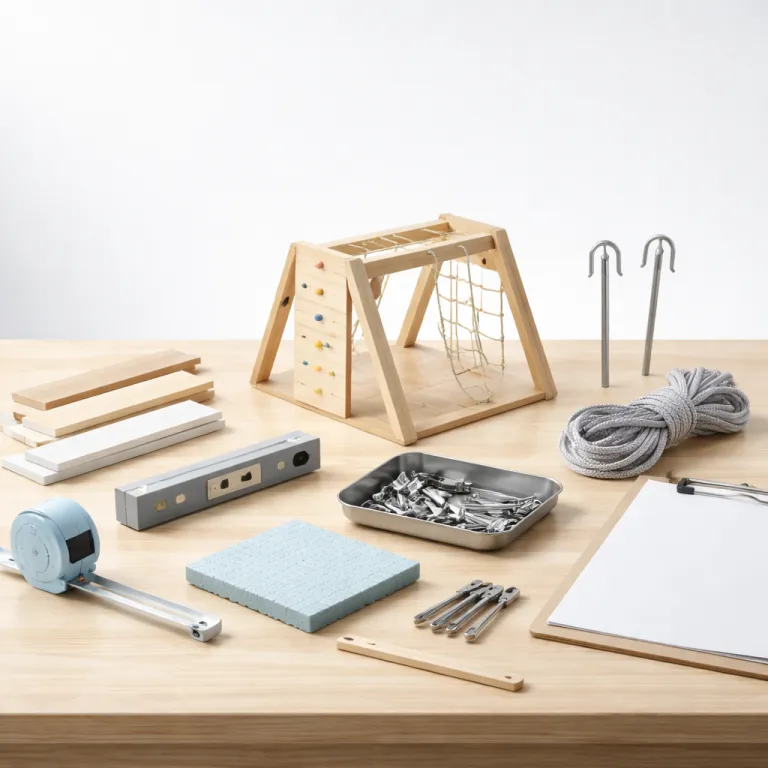
Why a luxury children’s outdoor climber is more than just a toy
From simple structure to immersive play universe
When you look at a premium children’s outdoor climber, it is tempting to see only a beautiful piece of play equipment with a high price. In reality, a well designed climber is closer to a miniature adventure park and a long term development tool than a regular toy. It blends the excitement of a jungle gym, the focus of a Montessori climber and the comfort of a safe home play set, all in one sculpted structure.
Luxury models are not just about a glossy finish or a higher sale price. They are about how carefully the design supports kids across different ages and stages. A thoughtfully engineered dome climber or play gym can grow with your child from active toddlers to confident climber kids in the early school years. The best seller products in this category are often those that manage to feel like a private playground, while still fitting naturally into a garden or even a large indoor playroom.
Why premium climbers matter for child development
Independent research in child development and occupational therapy consistently shows that climbing toys support balance, coordination and core strength. A solid outdoor indoor climber gives children a safe way to test their limits. They learn how their body moves in space, how to judge ladder height, and how to plan a route across a rock wall or balance beam. These are not abstract benefits ; they translate into better confidence on the school playground and more resilience in everyday life.
For toddlers and younger kids, a low climbing wall or gentle dome can be the first step toward mastering gross motor skills. For older ages years 4 to 7, more complex routes, a higher play gym or a challenging jungle gym layout keep the brain and body engaged. A premium climber toddlers model will usually offer progressive paths, so a child can start on the easiest section and, over the years, move toward more demanding climbing routes without needing a completely new structure.
If you are exploring luxury options for specific age groups, resources on luxury playthings for five year olds can help you understand how a climber fits into a broader play ecosystem at that stage.
Creating emotional memories, not just physical skills
Parents who invest in a premium outdoor climber often talk about memories as much as materials. The structure becomes the ship in a backyard ocean, the jungle fortress, the secret base. A simple dome or rock wall turns into a mountain to conquer. These stories are not marketing language ; they are how kids naturally use open ended play spaces.
Unlike many electronic toys that hold attention for a few weeks, a well chosen climber can stay relevant for years. The same play set that supports a toddler’s first careful steps on a low balance beam can later host elaborate games for older kids, with rules, roles and imaginary worlds. This continuity is part of what justifies a higher price regular compared with a basic plastic frame on sale.
Because the structure is always there, in the garden or as an indoor focal point, it invites daily use. Climbing, hanging, balancing and sliding become part of the child’s routine, not a special event. Over time, this regular movement supports healthier habits and a more confident relationship with physical activity.
Luxury as long term value, not just a higher price tag
When comparing a premium climber with a budget alternative, it is useful to look beyond the sale price or a temporary price sale. A luxury dome climber or jungle gym is usually engineered for higher weight limits, often supporting well over 100 lbs per child, sometimes more, depending on the model and how the load is applied. This means siblings of different ages years can use the same structure, and the climber remains stable as children grow taller and heavier.
High end manufacturers also tend to design for both outdoor and indoor use, or at least to offer compatible options. A modular play gym might start as an indoor Montessori climber for a toddler, then move outdoors as part of a larger play set with a climbing wall and balance beam. This flexibility can reduce the need to buy multiple separate climbing toys over a short period.
From a financial perspective, the real comparison is not just regular price versus price sale today, but cost per year of use. A sturdy climber kids can enjoy from ages 2 to 8, with minimal maintenance and strong resale value, often represents better long term value than a cheaper frame that needs replacement after a couple of seasons.
A centerpiece for family life and social play
A premium children’s climber often becomes the social heart of a garden. It is where neighborhood kids gather, where birthday parties naturally gravitate, and where siblings learn to share space and take turns on the ladder, the rock wall or the balance beam. The structure encourages cooperative play, negotiation and even leadership, as children invent games and decide who climbs which route.
Because luxury models usually integrate multiple elements in one footprint, a single climber can offer a dome for hanging, a jungle gym section for more dynamic climbing, a gentle wall for toddlers and a higher ladder height for older children. This layered design helps different ages play together without constant conflict over who gets to use the “best” part.
In later sections, it becomes important to look closely at safety standards, materials and installation. However, it is worth starting with this bigger picture. A premium outdoor indoor climber is not just a beautiful object in the yard ; it is a long running stage for your child’s physical, emotional and social growth, from the first tentative steps of a toddler to the confident leaps of a school age adventurer.
Key safety standards that a premium climber must meet
Understanding what “safe enough” really means
When you move from a regular price climber to a premium outdoor indoor play set, you are not just paying for a prettier jungle gym. You are paying for safety margins that go far beyond the minimum. Luxury brands usually design for higher weight limits, more rigorous testing and better protection against the elements.
For example, a quality dome climber or play gym will clearly state a tested load in lbs, not just a vague “for kids”. Look for independent lab testing where the structure is loaded well above the advertised limit. A dome rated for 150 lbs should have been tested at significantly more than that. This matters when several kids climb, hang and swing at the same time.
Premium climbing toys are also more likely to follow child development research, similar to what you see in well designed Montessori inspired play equipment. That means ladder height, spacing between bars and the angle of a climbing wall are chosen to support balance and coordination, not just to look impressive in a catalogue.
Core safety standards and certifications to look for
Depending on where you live, different standards will apply. For outdoor and indoor play equipment, many premium manufacturers align with widely recognized benchmarks such as :
- ASTM standards for playground equipment (for example ASTM F1487 for public playgrounds and ASTM F963 for toys) which cover structural integrity, sharp edges, small parts and more.
- EN 71 series in Europe, which sets requirements for mechanical safety, flammability and chemical composition of materials used in toys.
- EN 1176 for playground equipment, often used as a reference even for residential play sets.
When you compare a luxury climber with a product on sale at a deep discount, check whether these standards are clearly mentioned and whether testing has been done by an accredited third party laboratory. A vague “safety tested” claim is not enough. Look for specific codes, dates and the region where the standard is applied.
Age ranges, weight limits and developmental fit
One of the most overlooked safety aspects is matching the climber to the right ages and stages. A premium manufacturer will not simply write “for ages 3+”. Instead, you should see more precise guidance such as :
- Climber toddlers : low platforms, gentle slopes, wide steps and handholds designed for toddlers from 18 months to 3 years.
- Climber kids : more complex routes, a higher rock wall or ladder height, and features like a balance beam for ages years 3 to 7.
- Older kids : more challenging climbing wall angles, overhead bars and jungle gym style elements for ages years 6 and up.
Weight limits should be clearly stated per child and total. For example, a dome climber might allow 70 lbs per child and 300 lbs total. A luxury play set will often exceed the minimum to allow siblings and friends to play together without pushing the structure to its limits.
Indoor models and outdoor models may have different ratings. An indoor montessori climber for toddlers is not designed to handle the same dynamic loads as a large outdoor jungle gym. Respecting these distinctions is part of safe use.
Fall zones, surfacing and impact protection
Even the best seller premium climber cannot remove all risk of falls. What it can do is reduce the chance of serious injury. Safety standards focus heavily on fall height and surfacing :
- Critical fall height : the maximum height from which a child can fall without exceeding acceptable impact forces, assuming proper surfacing.
- Recommended surfacing : materials like engineered wood fiber, rubber mulch or safety tiles for outdoor use, and thick crash mats for indoor setups.
- Clear fall zone : a space around the climber free of obstacles, furniture, walls or hard edges.
Luxury brands usually provide detailed diagrams showing the required fall zone around a dome climber, play gym or climbing wall. They may also specify minimum thickness for mats or outdoor surfacing. This level of guidance is a strong indicator that safety has been taken seriously from the design stage.
Structural design details that protect small bodies
When you look closely at a premium outdoor indoor climber, you will notice many small design decisions that quietly protect kids :
- Rounded edges and corners on platforms, balance beams and rock wall holds to reduce cuts and bruises.
- Guardrails and barriers at appropriate heights for toddlers and young kids, especially on elevated platforms.
- Non slip surfaces on steps, ladders and platforms, even when wet.
- Safe spacing between bars and slats to prevent head or limb entrapment.
- Secure hardware with recessed bolts and covered screws so nothing catches on clothing or skin.
These details cost more to engineer and manufacture, which is one reason why the price of a luxury climber is higher than a basic model on sale. However, they directly influence how confidently your child can explore and how calmly you can supervise.
Material safety and long term exposure
Because outdoor play equipment lives in the sun, rain and sometimes snow for years, material safety is not just about the first day of play. It is about what happens as coatings wear and plastics age.
Premium manufacturers typically use :
- Low VOC finishes and child safe paints that meet toy safety standards for heavy metals and chemicals.
- UV stabilized plastics that resist cracking and becoming brittle, which can create sharp edges.
- Pressure treated or naturally durable woods that are rated for outdoor use and tested for leachates where required.
Indoor models, especially those inspired by montessori climber designs, often use untreated or lightly finished hardwoods to minimize chemical exposure for toddlers who still mouth surfaces. Checking certifications and material data sheets is a good habit when you are investing at a higher price point.
Why safety should guide your budget decisions
When you compare sale price and regular price across different brands, it is tempting to focus only on the discount. Yet the real question is what you are getting for the price regular. A luxury climber that has been engineered to meet strict standards, tested for higher loads and designed with thoughtful safety details will rarely be the cheapest option on sale.
However, over the years of use you expect from a premium outdoor climber, that investment spreads out. Fewer repairs, less worry about structural failure and a design that continues to feel appropriate as your child grows all contribute to long term value. In the context of a jungle gym or play set that your kids will climb, hang from and jump off for years, safety is not an optional extra. It is the foundation on which every other feature should be built.
Materials and craftsmanship that justify a luxury price tag
Premium materials that transform a simple frame into a design piece
When you move from a regular outdoor climber to a luxury model, the first difference you notice is the quality of the materials. A premium children’s outdoor climber is not just a jungle gym for kids ; it is a piece of play equipment designed to live in your garden for years, through changing seasons and changing ages.
High end wooden climbers usually rely on slow grown, dense timber such as FSC certified cedar, larch or robinia. These woods are naturally resistant to rot and insects, which means the structure stays solid even when exposed to outdoor conditions all year. For metal based designs, thick gauge, powder coated steel is common, often with anti corrosion treatments applied inside and out to prevent rust, even on a dome climber or a tall play gym with a high ladder height.
On luxury models, you can feel the difference when you touch the surfaces. Edges are rounded and sanded smooth, joints are tight, and there are no sharp corners on the climbing wall, rock wall or balance beam. This level of finish is not cosmetic only ; it directly affects safety and comfort for toddlers and older kids during active play.
Why craftsmanship matters more than the price tag alone
Parents often compare price, sale price and regular price when choosing a climber. Yet with premium climbing toys, the real value comes from craftsmanship. A well built outdoor indoor climber is engineered to handle dynamic loads, not just static weight. Many luxury models are tested to support several hundred lbs, even if the recommended user weight is lower for safety.
Look closely at how the structure is assembled. On a quality dome or jungle gym, you will see reinforced joints, stainless steel hardware and weather resistant fasteners. On a wooden play set, the grain direction is considered to reduce warping, and support beams are sized generously rather than to the minimum required. This is the difference between a climber kids can enjoy for ages years and a budget frame that starts to wobble after one season.
Attention to detail also shows in the way accessories are integrated. A climbing wall is angled for safe falls, a ladder is spaced for toddler legs, and a balance beam is wide enough for beginners but still challenging for older ages. These are design decisions that require expertise in child development and play, not just manufacturing.
Thoughtful finishes for outdoor and indoor use
Luxury climbers are often designed as outdoor indoor systems, so finishes must work in both environments. For outdoor use, high quality sealants and UV stable paints are applied in multiple coats to protect wood and metal from sun and rain. For indoor use, low VOC finishes and child safe coatings are essential, especially for climber toddlers who still explore with their mouths and hands.
Premium brands usually publish detailed information about their finishes and testing, including compliance with EN 71 or ASTM standards for toys and play equipment. This transparency is part of what justifies a higher price regular compared with a generic model on sale. When you see a big gap between price sale and regular price, it is worth checking whether the finish quality and safety certifications remain the same, or if corners have been cut for a promotion.
Some luxury collections coordinate finishes across different products, so your outdoor climber, indoor play gym and even smaller items like a wooden shopping cart share the same aesthetic. This can matter if you are building a cohesive play space that feels intentional rather than improvised.
Structural design that supports safe, ambitious play
Materials alone do not make a climber luxurious. The way those materials are engineered into a structure is just as important. A premium outdoor climber is designed to offer a variety of routes and challenges, from low climbing for a toddler to more complex paths for older kids, without compromising stability.
For example, a dome climber with a well calculated geometry distributes weight evenly, so even when several children climb on one side, the frame does not tip. A jungle gym with a rock wall, ladder and balance beam will use triangulation and cross bracing to keep the structure rigid. The ladder height is chosen so that toddlers can reach the first rung, while higher sections remain suitable for ages years into primary school.
Luxury models often include modular elements that can be reconfigured as your child grows. A low climbing wall for climber toddlers can later be repositioned as a more vertical challenge for older climber kids. This adaptability extends the useful life of the play set and supports development over many years, which again helps justify the higher initial price.
Indoor and outdoor versatility for different stages of childhood
Many families now look for play equipment that can move between outdoor and indoor spaces. Premium manufacturers respond with systems that can be partially disassembled, or that include both an outdoor frame and an indoor montessori climber style module. The same core materials and craftsmanship are used, but the design is adapted to different environments.
An indoor montessori climber, for example, may focus on lower heights, gentle slopes and open ended play, while the outdoor version adds a taller climbing wall, a more advanced rock wall or a longer balance beam. When both are built to the same standard, children experience a consistent quality of movement and challenge, whether they are in the living room or the garden.
This continuity is particularly valuable for toddlers who are just discovering climbing toys. They gain confidence on a smaller indoor frame, then transfer those skills to the larger outdoor climber when they are ready. Over time, the play set becomes a familiar landscape where they can test limits safely.
Understanding value beyond the initial cost
Luxury climbers are rarely the cheapest option on the market. However, when you consider the total years of use, the cost per season can be surprisingly reasonable. A well built jungle gym or dome climber that stays solid and attractive for five to ten years may offer better value than a low cost frame that needs replacing after two summers.
When comparing price, it helps to look at :
- The weight rating in lbs and how many children can use the climber at once
- The range of ages years the manufacturer recommends
- The thickness and type of wood or metal used in the frame
- The quality of hardware and finishes, especially for outdoor exposure
- Whether the design can adapt from toddler to older kids without major upgrades
Some retailers highlight a best seller with a strong price sale compared with the regular price, but the real question is whether the structure will still feel safe and engaging after heavy use. A premium play set that maintains its integrity, resists weather and continues to challenge your child is often the wiser investment, even if the initial price regular is higher.
In the end, materials and craftsmanship are not just about looks. They shape how your child experiences climbing, balance and imaginative play, whether on a compact indoor play gym or a full outdoor jungle gym with multiple routes and features. Choosing well built equipment means you are paying for years of confident, joyful movement, not just a single season of novelty.
Designing an outdoor climber that fits your child and your garden
Finding the right size for your child’s stage
With a premium outdoor climber, size is not just about how impressive it looks in the garden. It is about matching ladder height, platform levels and the overall scale of the play equipment to your child’s age, confidence and physical abilities.
Most luxury brands clearly indicate recommended ages years and maximum weight in lbs. As a rule of thumb :
- Toddlers and early walkers (around 1 to 3 years) need a low profile climber toddlers can use without feeling intimidated. Look for gentle slopes, short steps and a compact climbing wall or rock wall with wide, easy to grip holds.
- Preschoolers (around 3 to 5 years) are ready for a more adventurous jungle gym or dome climber, but still with controlled ladder height and secure handholds.
- Older kids (around 5 to 8 years and beyond) can enjoy taller structures, more complex climbing toys and a mix of outdoor indoor play features that demand balance, coordination and problem solving.
Premium manufacturers usually test their play set or play gym for specific ages years and publish the data. Check that the maximum combined weight in lbs is realistic for the number of climber kids who will be on it at the same time. A luxury dome or jungle gym that looks beautiful but flexes too much under load is not a good long term investment.
Choosing between compact, modular and statement designs
Luxury climbers come in several design families, each with different implications for your garden and for how kids will use the space.
- Compact climbers are ideal for smaller gardens or for families who want a dedicated play zone without turning the whole lawn into a jungle gym. These often combine a small climbing wall, a short ladder and maybe a balance beam in one tight footprint.
- Modular systems let you start with a core climber and add elements over the years. You might begin with a basic play gym, then later add a rock wall, a dome climber extension or an extra balance beam as your child grows. This approach spreads the price over time and keeps the play experience evolving.
- Statement structures are the large, sculptural play sets that become the visual centerpiece of the garden. They can echo the lines of a modern house or blend into a natural landscape with organic shapes and muted colors.
When comparing regular price and sale price, do not just look at the headline number. Consider how the design will adapt as your toddler becomes a school age child. A modular climber that can be reconfigured may offer better value than a cheaper fixed structure that your child outgrows in a couple of years.
Planning the perfect spot in your garden
Where you place the climber is almost as important as which model you choose. A luxury outdoor climber deserves a safe, thoughtful setting that encourages daily use.
- Surface and fall zone : Premium play equipment should be installed on a forgiving surface, not directly on concrete or stone. Many families choose grass, engineered wood fiber or rubber tiles. Check the manufacturer’s guidance on the required clear space around the structure.
- Sun, shade and weather : Observe your garden across the day. A climber in full midday sun can become too hot, especially if it includes metal elements. Partial shade from trees or a canopy can make outdoor play more comfortable for kids and toddlers.
- Visibility from the house : For younger ages years, it is reassuring to place the play set where you can see the climbing wall, ladder and platforms from a kitchen or living room window.
- Integration with other zones : Think about how the climber relates to a sandbox, a small garden patch or an outdoor dining area. A well placed jungle gym can create a natural flow between adult and child spaces.
Luxury brands often provide detailed installation diagrams with recommended orientations and clearances. Following these guidelines as closely as possible is part of getting the full value from the price you pay.
Balancing outdoor impact with indoor flexibility
Many families now look for play equipment that can work both as an outdoor indoor solution. Some premium climbers are designed as indoor pieces that can be moved outside in good weather, while others are primarily outdoor but have matching indoor elements.
For example, a wooden montessori climber for toddlers might live in the playroom during colder months, then move to a covered terrace in summer. A larger outdoor dome climber might stay in the garden year round, while a smaller indoor jungle gym or balance beam set complements it inside.
When you compare price regular and price sale, consider whether the climber can serve both roles. A versatile piece that works as a compact indoor play gym in winter and as part of a bigger outdoor play set in summer can justify a higher regular price because it replaces multiple separate items.
Reading dimensions and specifications like a pro
Luxury climbers often come with detailed technical sheets. Taking a few minutes to understand them can prevent costly mistakes.
- Overall footprint : Length and width tell you how much lawn or terrace space the structure will occupy. Add the recommended safety clearance around it.
- Maximum height and ladder height : Ladder height is especially important for climber toddlers and younger kids. A small difference in inches can make a big difference in how secure they feel.
- Weight capacity in lbs : Check both per child and total system capacity. If you expect several climber kids to use the jungle gym at once, the structure must be engineered for that load.
- Recommended ages : Respect the ages years indicated. A climber designed for older children may be too demanding for a toddler, even if an adult is nearby.
Premium brands usually explain how they have applied safety standards and testing protocols to these specifications. This level of transparency is one of the reasons their price can be higher than mass market alternatives on sale.
Aligning aesthetics with your home and garden style
A luxury climber is not just a piece of play equipment. It becomes part of your landscape. The best seller models in the premium segment often offer several finishes and color palettes so you can match your outdoor space.
Some families prefer a natural look, with wood tones and muted colors that echo a garden filled with plants and trees. Others choose a more graphic, sculptural design that stands out like a modern art piece. Even a dome climber or jungle gym can be surprisingly elegant when the lines are clean and the materials are carefully chosen.
When comparing regular price and price sale, remember that a visually harmonious climber is more likely to stay in place for many years without feeling dated or intrusive. That long term satisfaction is part of the real value, beyond the initial price sale you might see during a promotion.
Thinking ahead : from toddler play to school age adventures
Finally, consider how the climber will grow with your child. A montessori climber that supports early gross motor skills can later become part of an obstacle course when combined with a balance beam, a small rock wall or a more advanced jungle gym.
Look for designs where elements like a climbing wall, ladder, or small play gym modules can be reconfigured or upgraded. Some systems allow you to add new sections over the years, almost like ships docking at a central hub, turning a simple toddler climber into a more complex play set for older ages years.
This long view helps justify a higher regular price, especially if you can take advantage of a sale price without compromising on quality. In the end, the best luxury climber is the one that fits your child’s current needs, your garden’s layout and your family’s plans for the years to come, while still feeling like a beautiful, intentional part of your home.
Balancing challenge, creativity and comfort in play features
Finding the sweet spot between excitement and security
With a premium outdoor climber, the goal is not just to keep kids busy. It is to create a play environment where challenge, creativity and comfort work together. The best climbing toys invite children to test their limits, but in a way that feels safe and reassuring for both toddlers and older ages years.
Start by looking at how the structure manages risk. A well designed jungle gym or dome climber will offer progressive difficulty. For example, a lower balance beam or gentle ladder height for younger climber toddlers, and a more advanced rock wall or climbing wall section for confident climber kids. This layered approach lets children grow with the play equipment over several years, instead of outgrowing it in one season.
Manufacturers who take safety seriously usually publish clear age and weight guidance. For a luxury climber, you should expect a tested weight limit in lbs, not just vague claims. Check whether the maximum load has been applied to all key elements, such as the dome, play gym platforms, and any suspended features. This is especially important if several kids will be on the play set at the same time.
Designing play features that spark imagination
Challenge is not only about physical difficulty. A premium outdoor indoor climber should also encourage open ended play. Think of it as a small adventure world rather than a single piece of play equipment.
- Multi route climbing – A mix of ladder, rock wall holds and a dome structure lets kids choose their own path. This supports problem solving and confidence building.
- Role play elements – Details inspired by ships, jungle expeditions or mountain adventures turn a simple climber into a story rich play set. Children can switch from a pirate deck to a jungle gym escape in seconds.
- Zones for different ages – A toddler friendly area with gentle slopes and handholds, next to a more demanding climbing wall for older ages years, keeps siblings engaged together.
Luxury brands often borrow ideas from montessori climber principles, even when the product is not marketed that way. Features that invite kids to explore at their own pace, without flashing lights or loud sounds, tend to support deeper, more focused play.
Comfort that keeps children playing longer
Comfort might sound secondary when you think about a rugged outdoor climber, but it has a direct impact on how often kids use the structure. If grips are too hard, platforms too narrow, or surfaces too hot in the sun, playtime will be short.
- Ergonomic grips and steps – Rounded edges, textured but not abrasive surfaces, and sensible spacing between rungs help toddlers and older kids feel secure while climbing.
- Thoughtful proportions – Ladder height, platform depth and the angle of ramps should match the recommended ages years. A premium climber usually offers better scaling than a basic model on sale.
- Weather responsive materials – High quality finishes stay comfortable to the touch, reducing the risk of burns or slippery surfaces in outdoor conditions.
Comfort also includes how the climber fits into your daily life. If the structure can be used as both outdoor indoor play equipment, you gain flexibility. Some dome climber or play gym designs can move from the garden to a covered terrace or even a large indoor room, extending the season of use.
Matching features to your child’s stage, not just their age
Age labels like “for ages 2 to 5 years” or “ages 3 plus” are a starting point, but they do not tell the whole story. When you compare regular price and sale price options, look deeper at how the features align with your child’s current abilities and personality.
For toddlers and younger climber toddlers, prioritise:
- Low platforms and gentle slopes
- Wide, stable steps and handrails
- Simple climbing toys that build basic coordination
For older climber kids, consider:
- More complex routes with a mix of ladder, rock wall and rope elements
- Sections that require planning, like choosing between different paths up the dome or jungle gym
- Features that support group play, so several kids can climb, balance and rest without crowding
Independent testing and clear product descriptions from reputable brands are useful here. Look for detailed information about recommended ages years, tested weight in lbs, and how the design supports different stages of development. This is more reliable than marketing claims alone.
Understanding value beyond the price tag
Luxury climbers come with a higher price, but the real question is how that cost translates into long term value. A well built outdoor climber that adapts from toddler to school age can outlast several cheaper play sets bought on impulse at price sale events.
When you compare regular price and price regular listings with a tempting sale price, ask :
- Does the climber offer enough challenge to stay interesting for several years ?
- Are the materials and joints robust enough to handle repeated climbing, jumping and group play ?
- Is the design flexible enough to work as both outdoor indoor play equipment if your living situation changes ?
Some best seller models justify their cost because they combine multiple functions in one footprint. A single structure might include a climbing wall, balance beam, dome climber section and small play gym platform. This can be more space efficient and cost effective than buying separate pieces over time.
Independent consumer reviews, safety certifications and clear technical data from the manufacturer are valuable sources when you evaluate these questions. They help you move beyond marketing language and focus on how the climber will actually perform in daily family life.
Bringing it all together in your final choice
In the end, balancing challenge, creativity and comfort means choosing a climber that your child can grow into, not just grow out of. Look for a structure that invites imaginative play, offers varied climbing routes, and feels physically reassuring for toddlers and older kids alike.
By weighing play features alongside safety, materials and long term value, you can select a luxury outdoor climber that earns its place in your garden or indoor space and becomes a trusted part of your family’s daily play routine for years.
Practical considerations: maintenance, installation and long‑term value
Planning for installation without compromising your garden
With premium outdoor indoor play equipment, the installation is not just a technical step. It is part of the overall design of your space and how your kids will use the climber over the years.
For a larger jungle gym, dome climber or play set, many high end brands offer or recommend professional installation. This matters when you have a heavy structure, a tall climbing wall or a complex play gym with a rock wall, balance beam and ladder height that needs to be perfectly aligned. A poorly installed dome or jungle gym can feel unstable, even if the product itself is excellent.
Before you buy, check :
- Whether installation is included in the price or charged separately
- If the ground needs to be levelled or prepared in a specific way
- How much clearance is required around the climber for safe play
- Whether the structure can be moved later if you redesign your garden
For families who want flexibility, some luxury models are designed as modular climbing toys that can be reconfigured or moved between outdoor and indoor zones. This is especially useful for climber toddlers and younger ages years, when you may want to start indoors and later move the play equipment outside.
Maintenance routines that protect your investment
A premium children’s climber is closer to a piece of garden architecture than a disposable toy. To keep it safe and beautiful, you need a simple but regular care routine that fits your climate and your family’s habits.
Manufacturers of high quality outdoor indoor play sets usually provide detailed maintenance guides. Look for clear instructions on :
- How often to inspect joints, bolts and anchors for movement or rust
- What cleaning products are safe for the finish and for kids’ skin
- How to treat wood or metal surfaces seasonally
- When to replace grips on the climbing wall or rock wall
For wooden climbers, a protective oil or varnish is often applied at the factory. In harsher climates, you may need to reapply every one or two years. For powder coated metal domes and jungle gyms, rinsing off dust and pollution and checking for chips in the coating helps prevent corrosion.
Luxury brands tend to use hardware rated for higher loads, often well above 100 lbs per user, but this does not remove the need for regular checks. If you notice movement in a ladder, a balance beam or a platform, stop use and tighten or replace the affected parts. This is especially important when the climber is used by a wide range of ages, from toddlers to older kids who may climb more aggressively.
Weather, storage and seasonal use
One of the advantages of premium climbers is that they are designed for long term outdoor use. Still, how you manage weather exposure will strongly influence lifespan and safety.
Consider how your climate affects :
- UV exposure that can fade plastics and fabrics
- Heavy rain or snow that can stress joints and anchors
- Extreme heat or cold that can make surfaces uncomfortable for kids
Some luxury models include removable elements, such as fabric roofs, rope ladders or modular panels, that can be stored during winter. Others are designed as hybrid outdoor indoor systems, where a smaller montessori climber or toddler climber can be brought inside while the larger frame stays outside.
If you live in an area with strong sun, look for finishes that include UV protection and consider placing the climber near natural shade. For snow and ice, check that the structure is rated for the additional weight and that surfaces will not become dangerously slippery for climber kids when they return to play.
Understanding price, value and what “luxury” really buys
When you compare a luxury climber with a regular play set or a basic jungle gym on sale, the price difference can be significant. To judge value, it helps to break down what you are actually paying for and how long you expect the structure to serve your family.
Look beyond the sale price or regular price and ask :
- What is the expected lifespan in years with normal use and regular care ?
- Is the climber designed for a wide range of ages years, from toddler to school age ?
- Can parts be replaced or upgraded instead of buying a new play gym ?
- Does the brand provide clear safety documentation and weight limits in lbs ?
Luxury models often justify their price regular through thicker materials, better hardware, more precise engineering and finishes that resist weather and wear. Over time, this can mean fewer repairs, fewer replacements and a safer experience for kids who love intense climbing play.
When you see a price sale or a product on sale that is labelled as a best seller, read the specifications carefully. A lower sale price may reflect lighter materials, lower ladder height, or a design that only suits a narrow age band. If you want a climber that can evolve from a toddler friendly structure to a more challenging climbing wall or rock wall for older kids, it may be worth paying more upfront.
Growing with your child: adaptability and resale potential
One of the most practical questions is how long the climber will stay relevant. A luxury purchase makes more sense if the structure can adapt to different ages and stages of play.
Modular systems that start as a montessori climber for toddlers and then expand into a more complex jungle gym or dome climber for older ages years offer strong long term value. Features like adjustable ladder height, removable balance beams or add on climbing toys can keep the play experience fresh without replacing the entire play set.
Some families also consider resale potential. Well maintained premium climbers, especially those with timeless designs and strong safety reputations, often hold value better than mass market options. Clear documentation of maintenance, original weight limits in lbs and any upgrades applied can make a second hand sale easier if you decide to pass the climber on after several years.
In the end, a luxury children’s climber is an investment in daily movement, confidence and imaginative play. When installation, maintenance and long term value are considered with the same care as safety and design, the result is a play environment that feels both indulgent and deeply practical for your family.