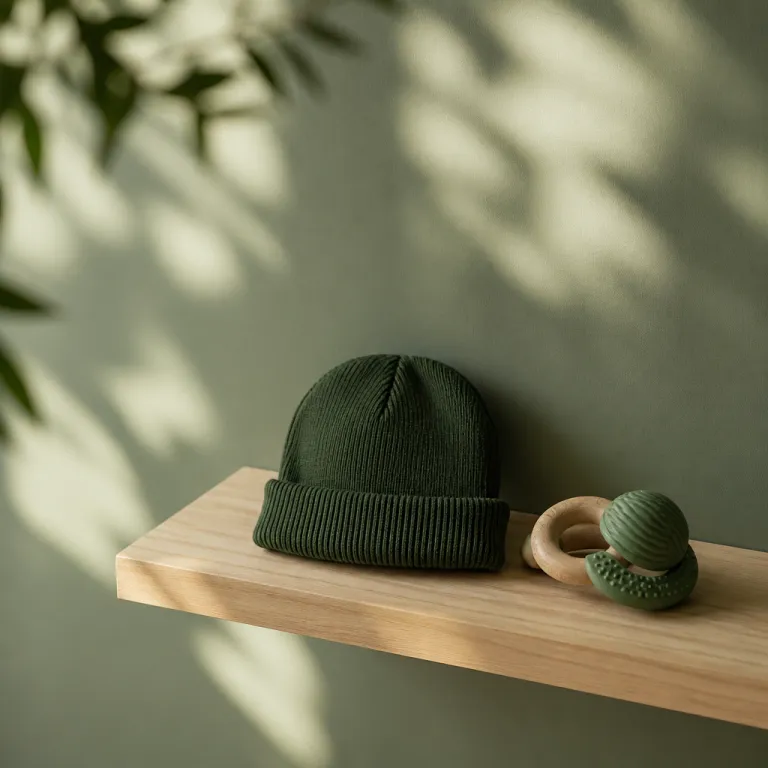
Why a luxury infant cotton beanie is more than a simple hat
A well made infant cotton beanie does far more than keep a baby warm. In luxury nurseries, parents treat each baby hat as a design statement that must still respect delicate newborn skin and strict safety standards. The right beanie quietly signals care, discernment, and long term thinking about comfort rather than a quick seasonal trend.
When you compare options, look beyond the price tag and focus on fabric density, organic cotton certification, and how the knit beanie holds its shape after washing. A premium infant cotton beanie should use long staple, combed, ring spun yarns, which create a smoother surface against a newborn head and reduce friction on fine hair, while still allowing enough stretch for rapid growth during the first months. Many hospital guidelines note that average newborn head circumference ranges from about 33 to 36 cm, so a luxury beanie should stretch comfortably within that band without leaving marks.
Colour also matters in a curated wardrobe, so many parents choose a crisp white baby hat for formal outfits and a soft pink or cheerful red version for playful days. A blue baby beanie can coordinate with heirloom blankets and luxury prams, while neutral cotton beanies pair effortlessly with patterned rompers and statement toys. In this segment, the price parents pay is less about a single beanie and more about building a small, coherent capsule of hats that work across outfits and seasons.
Materials that justify the price in luxury baby hats
For an infant cotton beanie to qualify as truly luxurious, the cotton itself must meet strict criteria. High quality organic cotton is usually combed and ring spun, which removes short fibers and creates a softer, stronger yarn that feels almost weightless on a newborn scalp. Many premium brands also seek third party standards such as GOTS (Global Organic Textile Standard) or OEKO TEX® certification, and commit to low impact dyes that keep white and blue tones crisp while protecting sensitive baby skin.
Parents comparing regular price and sale price quickly notice that the cheapest baby beanie options often skip these refinements. A higher regular price usually reflects tighter knit structures, more stable colourfastness in pink and blue shades, and more consistent sizing that keeps the beanie snug without leaving marks. If you see a dramatic discount on a luxury knit beanie, check whether it is an older stripe colourway or a discontinued pom detail rather than a compromise on cotton quality.
Texture is another subtle signal of quality, especially in chunky knit designs. A carefully engineered chunky knit infant cotton beanie can feel plush yet breathable, while a poorly executed structure may stretch out and slip over a baby’s eyes. For parents already investing in premium Montessori toys for 6 month olds, aligning textile choices with that same standard of thoughtful design creates a coherent approach to luxury baby essentials, and a well chosen baby hat becomes part of that philosophy.
Design details that elevate an infant cotton beanie to heirloom status
Luxury parents rarely choose an infant cotton beanie on colour alone, because design details transform a simple hat into a keepsake. A subtle stripe pattern in white and blue can echo the lining of a pram or the trim of a cashmere blanket, while a soft pink tone may match the embroidery on a christening outfit for baby girls. These quiet connections make a baby hat feel intentional rather than random.
Thoughtful embellishments also play a role, especially when they respect newborn comfort. A small, securely stitched pom on top of a knit beanie adds height and charm without creating pressure points when the baby lies in a cot, while a flat bow detail at the side can frame tiny features beautifully in photographs. Parents who value one meaningful heirloom gift over multiple disposable items often choose a single organic cotton beanie with a timeless bow or stripe, aligning with the idea that one baby gift that matters can outshine several ordinary ones.
Colour blocking across hats allows for playful coordination without overwhelming a newborn wardrobe. A white base with a blue stripe can pair with both blue baby rompers and neutral knitwear, while a red accent on a chunky knit style brings seasonal warmth to family portraits. When these elements are executed in high grade cotton, the regular price feels justified, and any later sale price becomes a genuine opportunity rather than a compromise.
Balancing regular price, sale price, and real value in luxury baby beanies
Parents in the luxury segment still compare price, but they frame it differently. Instead of chasing the lowest unit price, they evaluate how many months a single infant cotton beanie will fit comfortably, how well the cotton resists pilling, and whether the colour palette works across multiple outfits. A higher regular price can become better value if the beanie remains beautiful from newborn photos through the first cool spring walks.
When a retailer lists both regular price and sale price for a baby beanie, examine the details before assuming the discount is equal across styles. A markdown on a simple white cotton hat might be less compelling than a modest reduction on a more intricate chunky knit design with a pom or bow, because the latter usually involves more craftsmanship and higher yarn consumption. For parents who already invest in premium puzzles and logic toys that deserve shelf space, applying the same analytical mindset to textile purchases ensures that every hat in the nursery earns its place.
Colour specific choices can also influence perceived value. A classic white or blue infant cotton beanie tends to outlast trends and can be passed down to siblings or cousins, while a very fashion driven shade may feel dated more quickly. By tracking how often each black, red, or pastel option actually leaves the drawer, you can align future purchases with real usage rather than impulse, which is the essence of luxury buying behaviour.
Choosing the right infant cotton beanie for different ages and occasions
Newborn sizing requires particular care, because a beanie that is too tight can leave marks while an oversized hat slips and obstructs vision. For the earliest weeks, many parents prefer a fine knit organic cotton infant beanie without a large pom, so the baby can lie comfortably on their back or side. A simple stripe or tiny bow detail keeps the look refined without adding bulk.
As babies grow into more active stages, chunkier textures and bolder colours become practical and visually engaging. A chunky knit beanie in blue or red can frame the face beautifully in outdoor photos, while a white option with a contrasting pink stripe works well for baby girls at family gatherings. During these months, parents often rotate several baby beanies, adjusting thickness and coverage according to weather and outfit, much like they curate luxury toys for different developmental stages.
Special occasions call for more deliberate styling. A soft pink cotton beanie with a delicate bow pairs elegantly with silk lined coats, whereas a minimalist black or navy blue baby hat complements tailored pram suits and structured carriers. In every case, prioritise organic cotton against the skin, then layer wool or cashmere over it if needed, so the price parents pay always supports comfort first and aesthetics second.
How to read reviews and care instructions for long lasting luxury hats
Online reviews are invaluable when assessing an infant cotton beanie, especially for parents who cannot touch the fabric before buying. Look for comments about how the cotton feels after several washes, whether the knit stretches out, and how true the colours remain in white, pink, and blue shades. Detailed reviews that mention specific head circumferences and ages help you judge whether the stated size range is realistic for your baby.
Care instructions also reveal how seriously a brand treats longevity. A luxury baby hat in organic cotton should withstand gentle machine washing at low temperatures, with the beanie reshaped while damp to preserve the stripe pattern or bow placement. Many textile care guides recommend washing cotton at around 30 °C on a delicate cycle, using mild detergent and avoiding fabric softener, then drying flat away from direct heat.
Storage habits influence lifespan as much as the initial price tag. Keep white and pale pink beanies away from darker items that may transfer dye, and avoid hanging chunky knit hats by the pom to prevent stretching. When you treat each baby beanie with the same respect you give to fine toys and books, the cost per wear drops, and even a premium purchase on sale becomes a rational, sustainable choice.
Key figures on infant cotton beanies and luxury baby textiles
- Organic cotton textiles have expanded steadily over the past decade, and certification schemes such as GOTS and OEKO TEX® now appear on a growing share of infant cotton beanies, reflecting rising demand from health conscious parents.
- Pediatric dermatology guidance notes that newborn skin is thinner and more permeable than adult skin, which supports the preference for soft cotton and organic cotton beanies over rough or synthetic hats in the first months.
- Surveys in premium baby retail show that many parents are willing to pay a noticeable premium in regular price for a baby hat made from certified organic cotton, especially when it features durable knit structures and timeless colours like white and blue.
- Textile care research indicates that washing cotton garments at around 30 °C, using mild detergent and avoiding overdrying, can significantly extend the usable life of knit beanies, which reduces the effective unit price per wear for luxury infant cotton styles.
FAQ about luxury infant cotton beanies
How many infant cotton beanies does a newborn really need ?
Most newborns manage well with three to five infant cotton beanies, including at least one neutral white option, one warmer chunky knit style, and one special occasion beanie with a stripe or bow. This small rotation covers hospital stays, daily wear, and outings without creating unnecessary clutter. Luxury parents often prefer fewer, higher quality hats rather than a large collection that rarely leaves the drawer.
Is organic cotton worth the higher price for baby hats ?
Organic cotton usually justifies its higher regular price because it avoids certain synthetic pesticides and often uses gentler processing, which benefits sensitive newborn skin. Many parents report that organic cotton beanies feel softer and stay comfortable longer, especially for babies prone to irritation. When you factor in durability and potential hand me down value, the effective unit price per wear can be very competitive.
Should I choose chunky knit or fine knit for my baby beanie ?
Fine knit styles in soft cotton or organic cotton work best for newborns and indoor use, because they sit smoothly under hoods and blankets. Chunky knit beanies with a pom or textured stripe are ideal for colder outdoor days and photo moments, especially once the baby can hold their head steadily. Many parents keep both types on hand, rotating according to temperature and outfit.
Which colours are most versatile for luxury infant beanies ?
Neutral tones such as white, cream, and soft grey pair easily with most baby clothes and remain timeless in photographs. Classic blue and gentle pink shades also stay popular, particularly for baby girls and blue baby outfits, while accents like red or black work well for seasonal events. Choosing a small palette that repeats across hats and blankets makes dressing quicker and more elegant.
How can I tell if a baby hat is safe and well made ?
Check that the beanie has no loose threads, detachable small parts, or oversized pom details that could pose risks. Seams should lie flat, the knit should return to shape after gentle stretching, and labels should clearly state fiber content such as 100 % cotton or organic cotton, along with any relevant certifications. Reading detailed reviews from other parents with similarly aged babies adds another layer of reassurance before you commit to the regular price or a tempting sale.