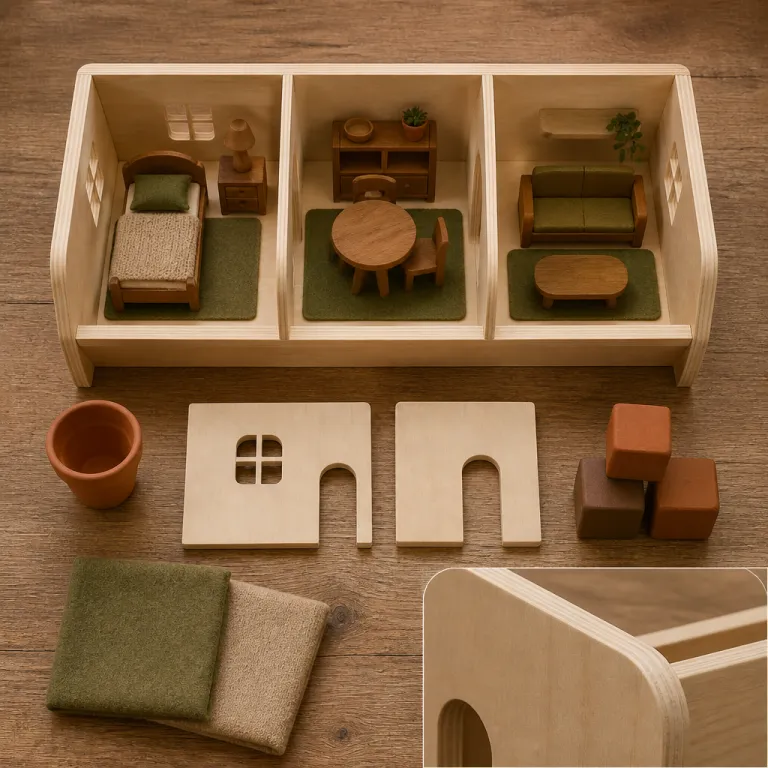

Why a luxury dollhouse for toddlers deserves a place in your home
A carefully chosen dollhouse for toddlers can become the quiet heart of a playroom. When parents invest in a luxury dollhouse, they are really investing in years of imaginative play and emotional growth. The right house invites kids to slow down, move tiny pieces with care, and build stories that feel almost real.
For very young kids ages 18 months to three years, a solid wooden dollhouse offers stability and safety that plastic toys rarely match. High quality wood absorbs sound, feels warm to the touch, and gives toddlers a reassuring sense of weight as they move dolls and furniture accessories around the house. Luxury brands design their dollhouses so that two- and three-year-olds can reach every room easily, encouraging pretend play that grows more complex as the years pass.
Parents often compare the regular price of a premium doll house with the sale price of mass market toys and hesitate. Yet a well crafted wooden dollhouse, with durable furniture, dolls, and thoughtful accessories, can be passed down between kids and even across generations. When you spread the price over many years and several kids’ ages, the real cost per year becomes surprisingly reasonable for such enduring toys.
Safety, ages, and developmental milestones for toddler dollhouses
Safety comes first when selecting any dollhouse for toddlers, especially luxury toys with many tiny pieces. For children in the 18–36 months range, you should avoid dollhouse dolls or accessories small enough to fit entirely into a standard small-parts test cylinder (about 1.25 inches or 3.17 cm in diameter), which is used in toy safety standards to assess choking risks. Look for clear age guidance such as “suitable for kids ages two to four years,” and always match the house playset to your child’s current abilities rather than their aspirational ages.
A sturdy wooden dollhouse with rounded edges, non toxic finishes, and securely fixed roof panels is ideal for curious two-year-olds who like to climb and lean. Many premium brands use certified wood and water based paints, which means toddlers can safely mouth a wooden doll or furniture piece without exposure to harsh chemicals. When comparing the regular price and any price sale offers, verify that safety certifications, testing standards, and materials remain identical across all versions of the dollhouses.
Developmentally, a doll house supports language, empathy, and fine motor skills in ways that screens never can. As kids move dolls through the house and narrate daily routines, they practice sequencing, emotional labeling, and problem solving. Research in early childhood education has repeatedly found that pretend play between ages two and six is linked with richer vocabulary, better self regulation, and more advanced social understanding, which aligns closely with the ideal window for introducing a well designed dollhouse. Parents who already appreciate refined Montessori style toys such as elegant wooden blocks for toddlers will find that a thoughtfully scaled dollhouse extends the same philosophy into open ended pretend play.
Materials and craftsmanship: why wood matters in a toddler dollhouse
Material choice defines both the aesthetic and longevity of any dollhouse for toddlers. A luxury wooden dollhouse feels substantial, resists tipping, and offers a tactile warmth that plastic houses cannot replicate. When toddlers push dolls and furniture around the house, the gentle friction of wood slows movements and encourages more deliberate play.
High end brands often work with sustainably sourced wood, creating doll houses that respect both your child and the environment. You will notice that the grain of the wood adds visual richness, turning even simple house playset designs into display worthy pieces in a living room or nursery. Parents who already invest in refined leaf toys or tender leaf style wooden collections often appreciate how a matching doll house unifies the play space.
Craftsmanship also affects the long term price value of these toys, especially when comparing regular price to any sale price. Well fitted joints, smooth edges, and carefully scaled furniture accessories reduce the risk of breakage when three-year-olds inevitably test limits. If you enjoy curated wooden toys such as a luxury cart with blocks, you may also appreciate how a premium dollhouse aligns with that same commitment to quality and can be paired with a high end cart filled with blocks for extended house building play.
Design details that elevate imaginative and pretend play
Thoughtful design transforms a simple dollhouse for toddlers into a stage for rich imaginative play. Large open sides, wide staircases, and generous room layouts allow small hands to move dolls and furniture without frustration. When kids can easily reach every corner of the house, they naturally extend pretend play sessions and return to the toy day after day.
Luxury houses often include modular furniture pieces that can be rearranged, stacked, or combined, giving kids control over their tiny land of rooms and stories. A set of furniture dolls that matches the scale of the house helps toddlers understand spatial relationships, while soft textiles and rugs add sensory interest. Some premium brands echo the calm palettes of Scandinavian interiors, creating dollhouses that appeal equally to design conscious parents and playful girls and boys.
Accessories matter as much as the main structure, especially for kids ages two to four years who are refining fine motor skills. Tiny cups, beds, and kitchen furniture accessories invite careful grasping and placement, turning every play session into subtle hand eye coordination practice. Parents can gradually add new dolls, pets, or seasonal pieces over the years, refreshing the house without replacing the core wooden structure.
Comparing brands, prices, and value in luxury toddler dollhouses
Evaluating the price of a luxury dollhouse for toddlers requires more than glancing at a single number. You need to consider the regular price, any temporary price sale, and the expected years of use across multiple kids. A well built wooden dollhouse often retains structural integrity long after cheaper plastic dollhouses have cracked or faded.
Some parents gravitate toward iconic brands such as Fisher Price for their toddler house playset ranges, appreciating the brand’s long history in early childhood toys. While many Fisher Price doll houses use plastic, they often feature rounded forms and robust construction that suit energetic two-year-olds. Families seeking a more refined aesthetic may prefer boutique makers that focus on wood, leaf toys inspired designs, or tender leaf style collections with muted tones and detailed furniture.
When comparing options, look beyond the headline sale price and examine what is included in the set. A higher initial price that includes a full family of dolls, complete furniture accessories, and sturdy stairs may offer better value than a cheaper house that requires many separate purchases. Consider also whether the doll house can grow with your child, accommodating more complex imaginative play as kids’ ages progress from toddler years into early school years.
To make comparisons easier, you can think in terms of a simple checklist: material (solid wood versus plastic), safety features (rounded edges, non toxic finishes, age rating), what is included (dolls, furniture, stairs, roof), and approximate price band. For example, a compact plastic Fisher Price style house playset might sit in the lower price range with basic figures included, a mid range wooden dollhouse from a tender leaf inspired collection may add detailed furniture and muted colors, while a large luxury wooden mansion with multiple floors, balconies, and a full furniture set will usually occupy the highest price tier but offer the longest potential lifespan.
Curating a toddler friendly dollhouse world at home
Once you have chosen a dollhouse for toddlers, the next step is curating a world around it. Place the house at toddler height, ideally on a low table or directly on the floor, so two-year-olds can access every room without climbing. Keep a small basket nearby for loose pieces, dolls, and accessories, making it easy for kids to tidy up independently.
Many parents like to theme their dollhouses around family life, using dollhouse dolls that reflect their own household structure and cultural background. You might add a wooden doll with a wheelchair, a tiny pet, or furniture dolls that represent grandparents, helping kids process real relationships through pretend play. Rotating small sets of toys and furniture pieces every few months keeps the house feeling fresh without overwhelming toddlers with too many choices at once.
To enrich the experience, you can pair the doll house with other open ended wooden toys that share a similar aesthetic. A refined elephant puzzle in luxury wooden art, such as the one presented in a guide to elevating preschool wooden play, can sit nearby and invite parallel play. Over the years, this curated corner becomes a calm land of stories where kids return daily, moving tiny pieces, arranging furniture, and quietly rehearsing the rhythms of home.
Maintaining, storing, and eventually passing on a luxury dollhouse
Caring properly for a luxury dollhouse for toddlers protects both its beauty and its resale or heirloom value. Dust the wooden surfaces regularly with a soft cloth, and use a slightly damp cloth for sticky spots, avoiding harsh cleaners that could damage the wood. Check joints, stairs, and balconies every few months to ensure that everything remains stable for active kids.
Storage matters, especially when a house playset includes many tiny pieces and delicate furniture accessories. Transparent boxes or fabric pouches labeled by room (kitchen, bedroom, garden) help three-year-olds learn organization while protecting toys from loss. When kids’ ages increase and they move on to more complex toys, you can pack away the smallest accessories first while keeping the main doll house available for occasional nostalgic play.
Eventually, a well maintained wooden dollhouse can be passed to younger siblings, cousins, or even sold at a fair price that reflects its enduring quality. Families who value sustainability often prefer this cycle to constantly buying new plastic toys at a lower sale price. With thoughtful care, your child’s first doll house becomes part of a longer family story, carrying memories of dolls, laughter, and countless hours of imaginative play into the next generation.
Key figures on toddler dollhouses and early childhood play
- Guidance from the American Academy of Pediatrics on selecting toys for young children emphasizes simple, hands on objects that encourage imaginative play, and dollhouses are frequently cited by pediatricians as examples that support language and social skills development.
- Market research from NPD Group has reported that global sales of dolls and doll accessories remain one of the most resilient segments in the toy industry, with steady growth driven partly by parents seeking durable wooden options for younger kids.
- Studies in early childhood education consistently report that pretend play typically peaks between ages two and six years, which aligns closely with the ideal window for investing in a high quality dollhouse for toddlers.
- Consumer surveys from major toy retailers indicate that parents are willing to pay a higher regular price for toys made from sustainable wood, especially when those toys such as dollhouses can be used by multiple children over several years.
FAQ about luxury dollhouses for toddlers
What is the best age to introduce a dollhouse for toddlers ?
Most luxury brands recommend introducing a simple, sturdy dollhouse around 18 to 24 months, provided there are no tiny pieces that pose a choking risk. At this age, kids enjoy moving large dolls and furniture around the house, even if their stories are still very simple. By three years, many children begin using the doll house for more complex pretend play involving family routines and emotions.
Should I choose a wooden dollhouse or a plastic house for my toddler ?
A wooden dollhouse usually offers better stability, a warmer tactile feel, and greater long term durability than most plastic dollhouses. Wood also tends to age gracefully, making it suitable for passing down between siblings or reselling later. Plastic houses can be lighter and sometimes more colorful, but they rarely match the aesthetic and heirloom quality of a well crafted wooden house playset.
How can I make a luxury dollhouse safe for year olds ?
To keep a dollhouse safe for toddlers, remove or store away any accessories that are small enough to fit entirely into a standard small-parts test cylinder (about 1.25 inches or 3.17 cm) and choose dolls and furniture with rounded edges. Secure the house on a stable surface, check regularly for loose screws or splintering wood, and avoid fragile balconies that might tempt climbing. Always follow the manufacturer’s recommended ages and supervise closely when younger siblings are nearby.
Why are luxury toddler dollhouses more expensive than standard toys ?
Luxury dollhouses often use high quality wood, non toxic finishes, and detailed craftsmanship, which naturally increases the regular price compared with mass produced plastic toys. Many also include complete sets of dolls, furniture accessories, and thoughtful design features that support years of imaginative play. When you consider the durability and potential to serve multiple kids’ ages over time, the effective price per year can be quite reasonable.
How many accessories should a toddler’s doll house include ?
For toddlers, fewer well chosen pieces are usually better than an overwhelming number of tiny accessories. Start with a small family of dolls, basic furniture for key rooms, and perhaps one or two special items such as a pet or vehicle. You can gradually add more pieces as your child’s fine motor skills and pretend play abilities develop over the years.