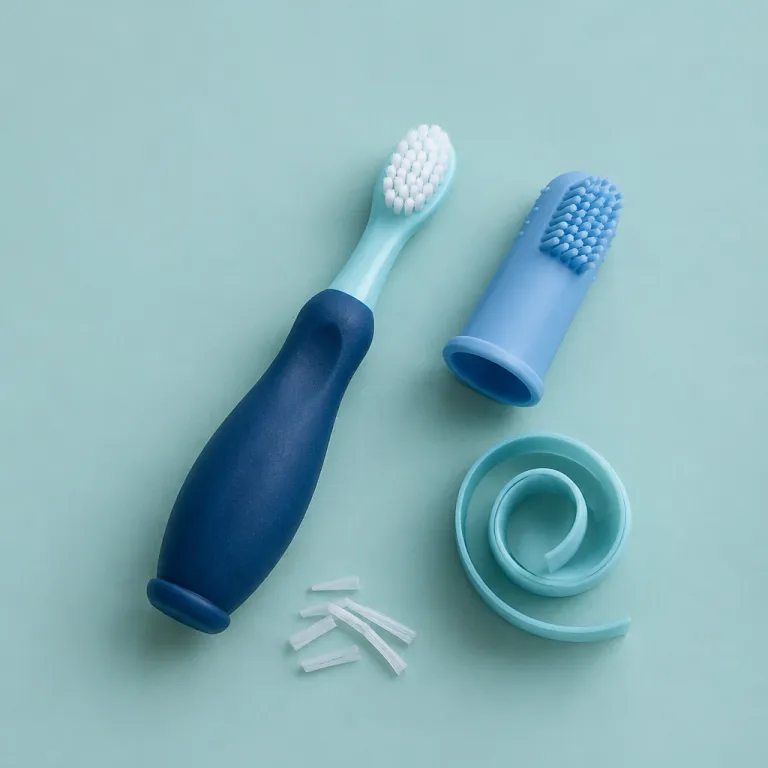
Why a luxury baby toothbrush matters from the very first tooth
A refined baby toothbrush is not a decorative extra for affluent parents. It is a precise tool that protects the baby mouth while shaping lifelong oral habits, and in the luxury segment the best toothbrushes combine medical level engineering with thoughtful aesthetics. When you treat this first toothbrush as seriously as a designer crib or stroller, you signal that oral care is part of your child’s overall wellbeing and not an afterthought.
For a very young baby or infant, the right brush must respect delicate gums and emerging teeth. Premium baby toothbrushes use ultra soft bristles that flex rather than scrape, and the finest models are tested to ensure that every brush head glides safely over enamel and gum tissue. This is where luxury adds value; you are not paying only for a pink or blue finish, but for engineering that lets you clean baby teeth effectively without micro damage.
Parents who already invest in high end kids furniture and toys often expect the same standard in dental care tools. A luxury baby toothbrush or toddler brush should feel balanced in the hand, with a handle that supports a secure grip whether you are brushing for a six month old infant or guiding a young child in the early brushing years. Over several stages, this consistency helps a child associate toothbrushes with comfort and care rather than with stress.
Age specific design for infants, babies and toddlers
Age appropriate design is the single most important factor when choosing a baby toothbrush for luxury minded families. A newborn or very young infant needs a fingertip silicone brush with almost feather like soft bristles, while a one to three year old benefits from a short handled toddler toothbrush with a wider brush head. As your baby grows through the first years, you will gradually move from gum massagers to structured baby toothbrushes that look more like adult toothbrushes but remain far gentler.
For infants under twelve months, many dentists recommend silicone brushes that slip over a parent’s finger. These silicone tools let you clean baby gums and the baby mouth with minimal pressure, and they are often sold in a set that includes several brush heads for hygiene. When your baby starts to grasp objects, you can introduce a compact toddler toothbrush with a rounded handle that fits a small fist yet still allows you to guide the brush.
By the time a child reaches two to three years, a more defined baby toothbrush or toddler set becomes appropriate. Look for models that clearly state the recommended age range, such as “for ages 2–4”, and avoid any brush with hard bristles that could scratch enamel. This is also the stage when you might consider a very gentle electric toothbrush designed specifically for kids, but only if your dentist agrees that your child is ready for the vibration and sound; for some toddlers, a manual brush remains the more reassuring choice.
For parents curating an elegant going home wardrobe and first care essentials, it makes sense to align grooming tools with that same standard of refinement. When you select an elegant newborn outfit for special moments, you can also plan which baby toothbrush will be used in those first months, ensuring that style and function meet from the start. Thinking in coordinated age specific sets helps you maintain continuity as your child moves from early infancy to confident brushing in the preschool years.
Materials, safety and sensory comfort in premium baby toothbrushes
Luxury parents scrutinise fabrics for layettes and organic headbands, and the same attention should apply to every baby toothbrush that enters the nursery. The best baby toothbrushes use BPA free plastics or medical grade silicone, and they are free from unnecessary dyes or coatings that could flake into the baby mouth. When you evaluate materials, treat a toothbrush as you would a feeding bottle or pacifier; it is in constant contact with saliva and must meet the highest safety standards.
Soft bristles are non negotiable for any infant or toddler toothbrush, and in the luxury segment manufacturers often specify bristle diameter in microns to prove their gentleness. A premium toddler range will use tapered soft bristles that bend on contact, allowing you to clean baby teeth and gums without scratching, and the brush head is usually rounded and polished to remove sharp edges. For parents who prefer silicone, some baby toothbrush models combine a silicone body with nylon bristles, offering a balance between flexibility and effective plaque removal.
Sensory comfort matters as much as safety, especially for sensitive toddlers. A child with a calmer temperament might respond better to a neutral or warm handle, while other kids are drawn to pink or blue toothbrushes that match their favourite toys. When you choose accessories such as an organic newborn headband with a luxury touch, consider coordinating colours with the baby toothbrush so that grooming feels like part of a calm, beautiful ritual.
Parents should also examine how brush heads are attached to the handle. On both manual and electric toothbrush models, the connection between brush head and body must be secure enough that it cannot detach in the baby mouth, yet simple for adults to replace when the soft bristles wear. A well engineered toothbrush set will include spare brush heads sized for specific age ranges, ensuring that each stage from early months to later childhood is covered without compromising safety.
Manual versus electric toothbrush for luxury minded families
Choosing between a manual baby toothbrush and an electric toothbrush is less about status and more about your child’s temperament. A high quality manual toothbrush gives parents full control over pressure and movement, which is ideal for a very young baby or easily startled infant who may be unsettled by vibration. Electric toothbrush models designed for kids can be valuable later, but they must be introduced thoughtfully and never as a toy.
For infants and early toddler stages, most paediatric dentists favour manual baby toothbrushes with ultra soft bristles. These brushes allow you to clean baby teeth in small circles while monitoring your child’s reaction, and they are easier to manoeuvre around a tiny baby mouth. When you eventually consider an electric toothbrush, look for one that clearly specifies the recommended age range, offers extra soft brush heads, and includes a gentle start mode that ramps up power gradually.
Luxury electric toothbrush options for kids often include multiple brush heads in a replacement pack, each tailored to different ages or sensitivity levels. This can be helpful if you have several toddlers or a mix of kids at different stages, as you can assign a specific brush head to each child and replace it every three months. However, even the most advanced electric toothbrush cannot compensate for poor technique; parents still need to guide the toddler brush along the gumline and supervise brushing for many years.
Some families like to coordinate grooming tools with other refined accessories, such as elegant moccasins that elevate everyday toddler outfits. In that context, a beautifully designed electric toothbrush in soft pink or muted blue can feel like part of a curated bathroom ensemble rather than a clinical device. Whether you choose manual or electric, the priority remains the same; a BPA free handle, soft bristles, and a design that encourages your child to accept daily oral care as a pleasant routine.
Colour, ergonomics and the psychology of luxury brushing rituals
Colour and form are not trivial when you select a baby toothbrush for a design conscious nursery. A carefully chosen palette of pink, blue and warm neutral tones can make toothbrushes feel like part of the child’s world rather than an intrusive medical object. When a child sees a toddler toothbrush that matches their favourite bath toy or towel, resistance to brushing often softens.
Ergonomics is where luxury design truly earns its place in daily oral care. A well balanced baby toothbrush with a slightly weighted handle sits comfortably in an adult’s hand while still being manageable for toddlers who want to try brushing themselves, and a non slip texture helps when little fingers are wet. For a very young baby, a looped handle allows parents to hook the toothbrush onto a bathroom cart or caddy, keeping it visible and clean between uses.
Psychologically, a beautiful toothbrush can transform brushing from a chore into a small ritual of care. Some luxury brands offer curated collections where each baby toothbrush or toddler brush has a distinct colour, allowing siblings or multiple kids to recognise their own brush instantly. Over the years, this sense of ownership supports independence; a child who feels proud of their blue electric toothbrush or their soft bristled manual brush is more likely to participate willingly in oral care.
Parents should still remember that aesthetics must never override function. Handles should be short enough for safe control in the baby mouth, and brush heads must remain appropriately sized for the stated age range. When you evaluate options, hold the toothbrush as you would during an actual brushing session and imagine guiding it around tiny teeth for two full minutes; if it feels awkward or heavy, even the most elegant design will not serve your child well.
Building a complete luxury oral care kit for infants and toddlers
A thoughtful oral care kit for a baby or young toddler goes beyond a single baby toothbrush. At minimum, you will need two or three brushes in rotation, a travel cap or case for hygiene, and a soft cloth or silicone finger brush for the earliest months. Many luxury parents also keep a dedicated bathroom cart or tray where all kids grooming items are arranged neatly, reinforcing the idea that dental care is part of a wider self care ritual.
When assembling this kit, start with a toothbrush set that covers several developmental stages. For example, a set might include a silicone finger brush for a newborn, a short handled toddler toothbrush for ages 1–3, and a slightly longer brush head for older toddlers or preschool kids. Ensure that every component is BPA free, uses soft bristles, and clearly states the recommended age range on the packaging so you can rotate items as your child grows.
Parents who prefer electric toothbrush solutions can still maintain a curated, minimal aesthetic. Choose one electric toothbrush handle with interchangeable brush heads sized for different ages, and store spare brush heads in a closed container to keep them clean between uses. Replace each brush head every three months or sooner if the soft bristles splay, and always supervise brushing to ensure that the baby mouth is cleaned gently but thoroughly.
Finally, integrate this kit into daily life in a way that feels calm and luxurious rather than rushed. Brushing after the evening bath, perhaps while your child wears a favourite robe or soft pyjamas, helps link the baby toothbrush with comfort and security. Over the years, these small, repeated moments do more than any gadget to clean baby teeth effectively and to establish oral care as a natural, valued part of your child’s routine.
How to evaluate quality and value in luxury baby toothbrushes
Evaluating a luxury baby toothbrush requires a different lens from assessing a toy or outfit. You are not only paying for design but for engineering that protects enamel, respects gums and supports healthy oral development across many years. A truly premium toothbrush for kids will combine clinical testing, thoughtful ergonomics and durable materials that justify its place in your child’s daily routine.
Start by examining the technical details that brands provide. Look for clear information about bristle softness, recommended age range, and whether the materials are BPA free and suitable for use in the baby mouth. High end baby toothbrushes and toddler brushes often specify how often to replace the brush head, usually every two to three months, and some replacement packs include enough heads for a full year of use.
Next, consider how the toothbrush fits into your broader approach to luxury kids care. A baby with very sensitive gums may need ultra soft bristles and a silicone handle, while an adventurous toddler might respond better to a compact electric toothbrush with a gentle mode and a blue or pink accent. For families with several kids, investing in a coordinated set of baby toothbrush, toddler brush and kids electric toothbrush models can provide both visual harmony and practical clarity about which brush belongs to which child.
Finally, value in this category is measured over time rather than at the checkout cart. A well designed baby toothbrush that your child accepts happily, that cleans baby teeth effectively, and that lasts through its intended months of use without fraying or discolouring offers better return than a cheaper brush that causes discomfort or is quickly rejected. When you view oral care tools as part of your child’s long term wellbeing, the right investment in toothbrushes becomes as logical as choosing a supportive mattress or a safe car seat.
Key figures on early dental care and baby toothbrush use
- According to the American Academy of Pediatric Dentistry (AAPD), children should visit a paediatric dentist by the time the first tooth appears or no later than 12 months of age, which means a suitable baby toothbrush is needed well before the first birthday (see AAPD Guideline on Infant Oral Health Care).
- Surveys from the American Dental Association (ADA) indicate that many parents replace children’s toothbrushes only twice a year, while dentists recommend changing the brush head or full toothbrush every three months, highlighting the importance of buying sets with enough replacements (ADA consumer guidance on toothbrush care).
- Research published in the Journal of Clinical Pediatric Dentistry shows that using soft bristles significantly reduces enamel abrasion in young children compared with medium bristles, supporting the focus on ultra soft bristles in premium baby toothbrushes (e.g., Teixeira et al., J Clin Pediatr Dent. 2010;34(4):287–292).
- Data from the Centers for Disease Control and Prevention (CDC) report that dental caries is one of the most common chronic conditions in children, affecting more than half of kids aged 6 to 8, which underscores the value of establishing effective oral care habits from the earliest months.
FAQ about luxury baby toothbrushes and early oral care
When should I start using a baby toothbrush for my child ?
You can begin cleaning the baby mouth as soon as the first tooth erupts, using a silicone finger brush or very soft baby toothbrush designed for infants. Before teeth appear, wiping gums with a soft cloth once a day helps your child get used to oral care. By the time several teeth are visible, a dedicated infant or toddler toothbrush with soft bristles becomes essential.
Are electric toothbrush models safe for toddlers ?
An electric toothbrush can be safe for toddlers if it is specifically designed for kids, has extra soft bristles and an age appropriate brush head. Most paediatric dentists suggest waiting until at least two to three years of age and only introducing power brushing if the child is comfortable with the sensation. Parents should always supervise use and guide the brush to avoid excessive pressure on gums and enamel.
How often should I replace my child’s baby toothbrush or brush head ?
Paediatric dental guidelines recommend replacing a baby toothbrush or electric brush head every three months, or sooner if the soft bristles become frayed. After illness, it is wise to change the toothbrush to reduce the risk of reinfection. Choosing a replacement pack with multiple brush heads makes it easier to follow this schedule without last minute shopping.
What features define a high quality luxury baby toothbrush ?
A high quality luxury baby toothbrush combines BPA free materials, ultra soft bristles and a handle that fits both a parent’s and a child’s grip. The brush head should be small, rounded and polished, with clear labelling for recommended age range and care instructions. Brands that provide clinical testing data and precise product criteria usually offer better long term value.
Does colour matter when choosing a toothbrush for kids ?
Colour does not affect cleaning performance, but it can strongly influence a child’s willingness to use a toothbrush. Many parents find that letting kids choose between pink, blue or neutral designs increases cooperation at brushing time. In luxury settings, coordinated colours also help integrate oral care tools into a calm, aesthetically pleasing bathroom environment.