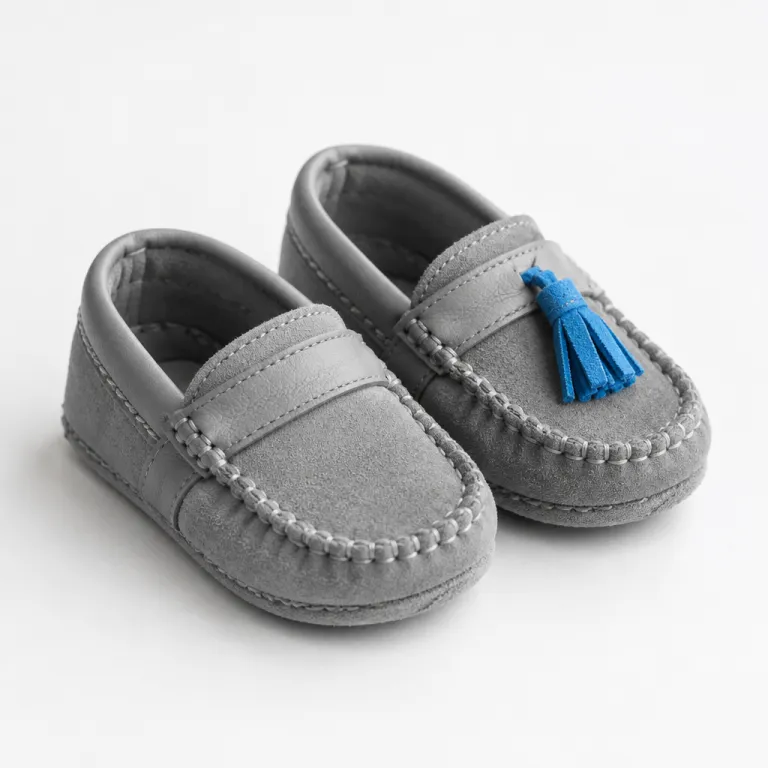

Why refined children’s moccasins matter for growing feet
Parents choosing luxury kids shoes are really investing in healthy growth. Thoughtfully designed children’s moccasins support each baby and toddler foot while still allowing natural movement and balance. A premium pair of moccasins can feel like a second skin, not a rigid shell.
For early walkers, the right shoe with a soft sole lets tiny feet strengthen the arch and grip the floor safely. Many leather moccasins and suede moccasins for toddlers are intentionally flexible, so the sole bends where the foot bends and does not force a stiff gait. When you compare kids shoes, focus less on brand prestige and more on how the sole design respects natural biomechanics.
Luxury children’s moccasins often use natural materials such as quality leather, suede leather or even genuine sheepskin linings. These materials breathe better than synthetic shoes, keeping the foot dry and reducing irritation during regular play. When the product description highlights high quality leather and a carefully engineered suede sole, you can expect a more comfortable fit and better long term wear.
Choosing the right size and fit for baby and toddler moccasins
Getting the correct shoe size for children’s moccasins is more important than the logo on the box. A baby foot grows quickly, so a pair of shoes that fits perfectly today may feel tight in a few months. The best brands explain how their leather moccasins will stretch slightly with warmth and movement.
Measure both feet in the afternoon when they are slightly larger, then compare with each brand’s size chart to find size accurately. For a toddler, leave about 0.8 to 1 cm of space in the shoe so the soft sole can flex without the toes hitting the front. If you are between sizes, many podiatrists recommend choosing the larger shoe and using the adjustable moccasin design to secure the foot.
Parents often worry that children’s moccasins without a thick rubber sole will not support the foot properly. In reality, a flexible suede sole or thin leather sole can be ideal for indoor use, because it allows the foot muscles to work while still protecting from cold and rough surfaces. When you read reviews, pay attention to comments about fit, whether the moccasin slippers feel snug around the heel, and how the leather shoes adapt after a few wears.
Dr. Jane Andersen, a podiatrist quoted in American Podiatric Medical Association guidance on children’s footwear, notes that a secure heel, room for the toes to wiggle and a flexible forefoot are more important than a thick midsole for most healthy toddlers. Using this checklist while your child stands in their shoes helps you judge fit with more confidence.
Materials that justify the price in luxury children’s moccasins
When you evaluate the price of luxury children’s moccasins, you are really assessing the materials and construction. High quality leather and suede leather cost more than synthetics, but they wrap the baby foot more gently and age more gracefully. Over time, a well made leather moccasin will stretch to mirror the unique shape of your toddler’s feet.
Look for product descriptions that specify quality leather, genuine sheepskin linings or rabbit fur trims rather than vague “premium materials” claims. Genuine sheepskin around the foot regulates temperature naturally, keeping feet dry in warm rooms and comfortably warm on cooler floors. Rabbit fur details on moccasin slippers can add softness and visual luxury, but they should never compromise the secure sole design or the grip of the suede sole.
Parents who value sustainability often prefer natural materials in kids shoes because they are more breathable and usually more durable. A pair of shoes made from high quality leather can be cleaned with a simple damp cloth, then air dried away from direct heat to keep the leather supple. When you read reviews, notice how many times a buyer mentions that the product still looks elegant after months of regular toddler play.
Brands such as Bobux, Robeez and Freshly Picked illustrate these principles in practice, using soft leather uppers, flexible soles and minimal internal seams to reduce rubbing. Comparing how these makers describe their materials and testing standards can help you evaluate other luxury moccasins more critically.
Design details that elevate toddler moccasins from basic to luxurious
Not all children’s moccasins are created equal, even when they look similar online. Subtle design choices in the shoe, from the stitching to the sole design, can transform a simple pair of shoes into a genuinely luxurious object. Parents who handle different kids shoes side by side quickly feel the difference in weight, balance and finish.
Luxury brands often use hand stitched seams and carefully placed elastic or ties so the moccasin hugs the foot without leaving marks. A well balanced soft sole or suede sole should flex easily at the ball of the foot while remaining slightly firmer at the heel for stability. When the leather moccasins are cut from a single piece of quality leather, there are fewer pressure points and less risk of rubbing on delicate baby skin.
Some premium moccasin slippers incorporate playful yet refined details such as tonal rabbit fur pompoms or contrast piping, which appeal to both children and style conscious parents. These details should never interfere with the regular function of the shoe or make the sole slippery on smooth floors. Before purchasing, read several reviews and look for comments about whether the design feels practical for a toddler who climbs, crawls and runs all day.
Thoughtful footwear design also extends to practical touches such as pull tabs for easier on and off, reinforced toe caps for children who drag their feet, and cushioned collars that protect the ankle. These small refinements can make the difference between a pair of shoes that looks luxurious and one that truly performs in daily family life.
Care, maintenance and real world durability of children’s moccasins
Luxury children’s moccasins only justify their price if they withstand real toddler life. Between playground dust, indoor spills and regular tumbles, every shoe will face tough conditions. Choosing leather shoes and suede moccasins that clean easily can extend their life significantly.
For most quality leather moccasins, a soft damp cloth is enough to remove surface dirt after a day of play. Allow the shoe to air dry naturally in a dry, shaded place, because direct heat can stiffen the leather and damage the soft sole. Suede leather and a suede sole need a little extra care, usually a gentle brush once dry to lift the nap and keep the texture even.
Parents should rotate between at least two pairs of shoes so each moccasin can dry fully between wears, which helps keep the inside fresh and the foot dry. Natural materials such as genuine sheepskin linings manage moisture better than synthetics, but they still benefit from regular airing. When reading reviews, pay attention to how often a buyer mentions that the product still looks elegant after months of regular use, because this signals truly high quality construction.
Durability also depends on choosing the right size and monitoring how the shoe will stretch over time. If the shoe size becomes too small, the foot may push against the front and wear the leather prematurely, especially around the toe. Checking the fit every few months ensures that your baby or toddler enjoys both comfort and longevity from their children’s moccasins.
How to read reviews and compare luxury toddler moccasins with confidence
Online reviews are one of the most powerful tools for parents evaluating children’s moccasins. A polished product description may highlight high quality materials, but only a verified buyer can describe how the shoe behaves on an active toddler. Reading patterns across many reviews gives a clearer picture than focusing on a single extreme opinion.
Start by filtering for comments that mention specific details such as shoe size accuracy, how the leather moccasins will stretch and whether the soft sole feels secure on different floors. Parents often describe whether the moccasin slippers keep the foot dry during indoor play or if the suede sole becomes slippery on polished surfaces. Pay attention to remarks about how easy it is to clean the leather with a damp cloth and whether the colour and texture of the natural materials stay attractive after regular wear.
Next, compare the price with the reported lifespan of the product, especially for kids shoes used daily. If many reviewers say a pair of shoes still looks refined after one or two size changes, the cost per month of use may be lower than a cheaper shoe that fails quickly. When you find size guidance repeated consistently in reviews, such as “runs small” or “true to size”, use that information to choose the best fit for your baby or toddler.
Finally, remember that every foot is unique, and even the most carefully designed sole or sole design will not suit every child equally. Use reviews as a guide, but trust your own assessment of how your child walks, runs and plays in their new children’s moccasins. Luxury in this category means aligning natural materials, thoughtful design and real world comfort for your child’s everyday adventures.
Key figures on children’s footwear and toddler moccasins
- According to the American Podiatric Medical Association, around 70% of foot problems in adults are linked to issues that began in childhood, which underlines why an appropriate soft sole and correct shoe size in early years can be a long term investment in health. This figure is reported in APMA consumer education materials on children’s foot health, such as “A Parent’s Guide to Children’s Foot Health” (APMA, 2019).
- Market research from Grand View Research reports that the global children’s shoes segment represents several tens of billions of euros in annual sales, with premium and luxury categories growing faster than mass market options as parents prioritise quality leather and natural materials. Their published “Children Footwear Market Size, Share & Trends Report, 2022–2030” provides these growth estimates.
- Studies in paediatric gait analysis show that toddlers walking barefoot or in flexible shoes with a thin sole develop more natural foot motion than those in stiff footwear, which supports the design philosophy behind many leather moccasins and suede sole moccasins. These findings are summarised in clinical reviews on early childhood footwear and gait development, including Hollander et al., “Footwear and Gait in Children,” Gait & Posture, 2019.
- Consumer surveys from major European retailers indicate that more than half of parents now read at least ten online reviews, including comments from any verified buyer, before purchasing kids shoes, showing how digital feedback strongly shapes luxury footwear choices. Retailer trend reports and annual customer insight surveys from chains such as Deichmann and Zalando highlight this shift in behaviour.
FAQ about luxury children’s moccasins for babies and toddlers
How many pairs of children’s moccasins does a toddler really need ?
Most toddlers manage well with two to three pairs of shoes, usually one everyday leather moccasin, one more robust outdoor shoe and possibly a special occasion style. Rotating pairs allows each shoe to dry fully, keeping the foot dry and the materials in better condition. This approach balances practicality, hygiene and the desire for variety in luxury kids shoes.
Are soft sole moccasins supportive enough for early walkers ?
For indoor use, a soft sole moccasin with a flexible suede sole or thin leather sole is generally considered appropriate for early walkers with healthy feet. These designs allow the foot muscles to strengthen naturally while still offering protection from cold or rough surfaces. Parents should monitor gait and consult a paediatric specialist if they notice persistent imbalance or discomfort.
How should I clean leather and suede children’s moccasins safely ?
For smooth leather shoes, wipe the surface gently with a damp cloth, then let them air dry away from direct heat to preserve the quality leather. Suede leather and suede sole moccasins benefit from drying fully and then being brushed with a soft suede brush to restore the texture. Regular light care is better than aggressive cleaning, which can damage natural materials.
What is the best way to check if the size and fit are correct ?
Ask your child to stand while you feel for about 0.8 to 1 cm of space between the longest toe and the front of the shoe. The moccasin should hold the heel securely without slipping, and the upper should not leave deep marks on the skin after regular wear. Recheck the fit every two to three months, because baby and toddler feet can grow quickly.
Are luxury children’s moccasins worth the higher price ?
They can be worth the price when they combine high quality materials, thoughtful design and real durability in everyday toddler life. If a pair of shoes fits well, keeps the foot comfortable and still looks refined after months of use, the cost per wear may be lower than cheaper alternatives. Reading detailed reviews from any verified buyer helps you judge whether a specific product delivers this level of value.