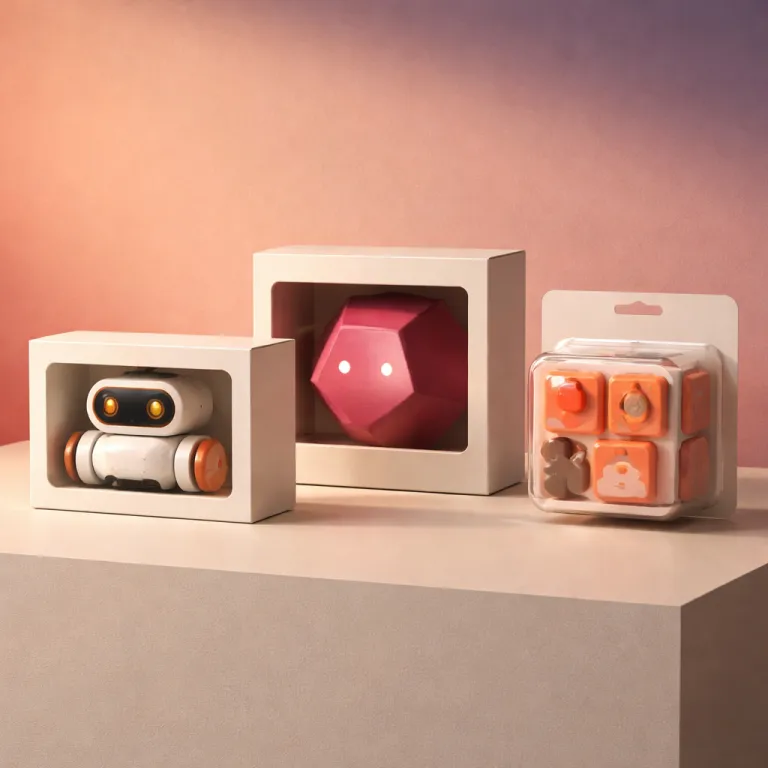
Spielwarenmesse 2026 launches that actually reached the nursery shelf
Spielwarenmesse 2026 launches sounded like a manifesto for the future of play, yet only a fraction of those promises now sit in children’s rooms. On the nuremberg toy floor, the toy industry showed how AI Loves to Play and Creative Mindfulness could coexist, but parents still need to know which products moved from theatrical prototype to safe, shippable reality. For luxury buyers, the gap between a glowing toy fair demo and a CE marked box on a shelf is where most disappointment lives.
Across the fair nuremberg halls, industry professionals walked past hundreds of AI enhanced toy models that will never clear EN71 or CPSC review. The strongest launches paired restrained design with transparent data handling, while weaker products leaned on vague promises about learning algorithms and global toy connectivity that regulators quickly challenged. When you hear a brand talk more about the future of the industry than about today’s safety file, you already know which side of that line it probably falls on.
Parents tracking spielwarenmesse 2026 launches should focus on three signals that repeat every spring. First, ask whether the company has shipped previous nuremberg toy exclusives on time, because past behaviour in this market is a better predictor than any press release. Second, look for brands that invite independent laboratories and child development professionals into their process, since that community tends to produce toys that still feel relevant after years of hard play.
AI loves to play: which smart toys survived safety review
The AI themed wing of spielwarenmesse 2026 launches was crowded with talking plush, adaptive building kits, and camera equipped companions, yet only a disciplined minority respected both privacy law and child psychology. On the nuremberg floor, several global toy brands demoed models that streamed audio to remote servers without clear parental controls, a red flag that usually collapses under CPSC or EN71 scrutiny. When a smart toy cannot explain where its data goes in one sentence, it rarely deserves a place in a luxury playroom.
By late spring, the AI toys that actually reached the market shared a few traits that parents can use as a filter. They stored voice data locally, allowed offline modes, and treated AI as a quiet layer under tactile play rather than a constant talking head that dominates the room. In practice, that meant smart building blocks that adjusted challenge levels subtly, instead of plastic tablets that shouted instructions every few seconds.
For families planning future trips to the toy fair, it helps to study how these AI launches behaved between the fair nuremberg spotlight and the quieter months that followed. Brands with strong compliance teams tend to pre align with regulators, so their products change very little between prototype and retail box. If you want a deeper roadmap to these events, a guide to navigating the world’s most exclusive toy fairs will give you the context to read the floor like an industry professional rather than a tourist.
Creative mindfulness and slow play: the quiet winners of the fair
While AI grabbed headlines, the Creative Mindfulness strand of spielwarenmesse 2026 launches quietly set the tone for long term family play. In calmer corners of the nuremberg halls, small European ateliers showed building kits in oiled beech, hand dyed felt, and modular cardboard architecture that invited children to slow down rather than chase racing lights. These products rarely trend on social media, yet they are the ones still on the coffee table when the batteries in flashier toys have died.
For luxury parents, the most interesting launches were analog kits that treated craft as both pedagogy and therapy. One line of building blocks paired soft pastel pigments with guided breathing cards, turning a simple tower into a mindfulness exercise that even adults in the toy industry quietly tried between meetings. Another brand offered modular weaving frames sized for small hands, with natural wool packs that will patina beautifully over years of use.
These slow play models also tell a story about the upcoming direction of the global toy market. As industry professionals compare sales data, they see that well designed craft kits and open ended building experiences generate fewer returns and stronger word of mouth than noisy gadgets. If you are building a long term collection, this is where heirloom potential usually hides, not in the latest app linked figurine that will lose server support before your child reaches secondary school.
Diecast, resin and the collector’s lane: from nuremberg cabinets to auctions
For collector parents, the most scrutinised spielwarenmesse 2026 launches were not plush companions but limited run diecast and resin models locked in glass cabinets. In the specialist halls of fair nuremberg, you could see 1:18 racing cars with photo etched seatbelts, hand polished resin hypercars, and building kits for pit lane dioramas that felt more like architecture school than playroom décor. These pieces sit at the intersection of toy and object, where a child’s first model can quietly become a family asset.
Some global toy makers announced ambitious racing series that still have not shipped, a reminder that not every nuremberg toy reveal deserves a preorder. The brands that did deliver by spring were the ones with boringly reliable production calendars and modest promises about paint quality, wheel alignment, and packaging design. When a company spends more time explaining its casting tolerances than its social media campaign, your chances of receiving a straight rolling model increase dramatically.
If you are weighing whether a limited edition kit belongs in your child’s room or in a display case, think about the community that forms around it. Strong collector communities track serial numbers, document factory variations, and feed secondary markets that can later fund university fees or new hobbies. For a deeper dive into how auctions intersect with childhood play, an analysis of whether collector auctions are crowning your child’s playroom with investment worthy heirlooms will help you separate sentimental value from genuine market potential.
From fair promises to home play: reading the pipeline and looking ahead
The pattern that emerges from spielwarenmesse 2026 launches is simple yet unforgiving for brands. Companies that treat the toy fair as a photo opportunity tend to show fragile prototypes that will never survive compliance testing, while those that arrive with near final products usually hit shelves on schedule. For parents, the lesson is to watch how a brand behaves in the months after nuremberg, not just how its stand looks during the show.
When you evaluate upcoming launches, ask three practical questions that industry professionals quietly use. Does the company have a track record of turning fair announcements into real products within one spring cycle, or do previous promises still linger as concept art on their website. Is there a visible community of users already forming around earlier building kits, models, or blocks, sharing repair tips and long term experiences rather than just unboxing photos.
Looking toward the next toy fair season, expect the tension between AI enhanced play and analog mindfulness to sharpen rather than fade. The global toy market will keep chasing data rich experiences, yet the strongest families of products will still be those that feel good in the hand, survive being dropped from 1,2 metres, and invite open ended building rather than scripted racing. In the end, the best measure of any launch is not the applause in nuremberg but the quiet moment three years later when the toy is still being reached for on a rainy afternoon.
FAQ
How can parents verify whether a Spielwarenmesse launch has passed safety tests ?
Start by checking the packaging for clear EN71 and, if relevant, CPSC markings, then cross reference the model name on the manufacturer’s website. Serious brands publish test summaries or at least name the independent laboratories they use, which gives you a trail to follow. If that information is missing or vague, treat the toy as a prototype in spirit, even if it is technically on sale.
Are AI enhanced toys from major fairs suitable for younger children ?
AI toys can be appropriate for younger children when they keep microphones and cameras optional, store data locally, and prioritise tactile play over constant voice interaction. Look for products that still function meaningfully with connectivity turned off, because that usually signals thoughtful design. When in doubt, choose simpler toys for under six years and keep AI companions for supervised sessions.
What makes a toy fair launch interesting for long term collectors ?
Collector worthy launches usually combine limited production runs, transparent numbering, and a brand with a history of supporting spare parts or repairs. Diecast and resin models with documented variations and stable paint formulas tend to hold value better than mass market character tie ins. A strong enthusiast community around a line is often a better indicator of future auction interest than the initial retail price.
How should families budget for luxury toys seen at Nuremberg ?
Rather than chasing every headline piece, decide on one or two categories that matter most, such as building kits or detailed models, and allocate a clear annual budget. Within that frame, prioritise toys with proven durability and educational depth over those that simply look impressive on a shelf. This approach keeps spending intentional and reduces the number of forgotten objects in storage.
Is it better to buy immediately after the fair or wait until later in the year ?
Buying immediately can secure limited editions, but it also exposes you to early production issues that only surface after months of use. Waiting until late spring or early summer lets you read real world feedback from other families and industry reviewers. For most luxury buyers, a short delay trades hype for clarity, which usually leads to better long term choices.