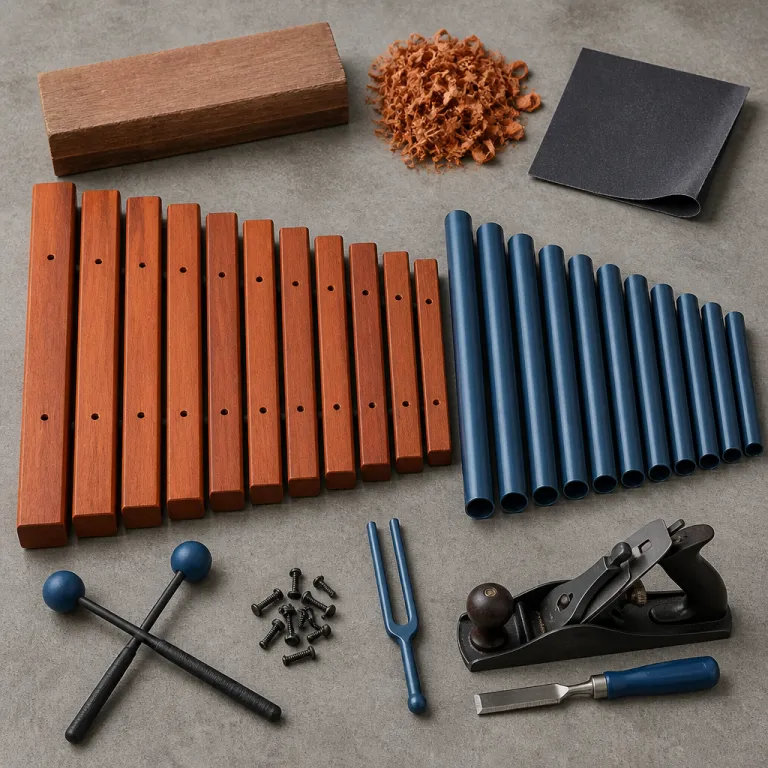
Why the best wooden xylophone children musical toy starts with tuning
A child’s first real musical instrument should respect their ear. When you choose the best wooden xylophone children musical toy, the most important factor is not the number of keys or the cute stars on the frame, but whether every note is properly tuned and stable over time. Poorly tuned percussion musical toys teach children the wrong xylophone notes, and that early mismatch between expected note and heard sound can linger in their listening habits for years.
Most plastic xylophone kids sets are technically percussion instruments, yet their metal keys are often stamped quickly, never precisely tuned, and mounted on harsh plastic resonators that smear the musical tone. A high quality wooden xylophone or glockenspiel xylophone, by contrast, treats tuning like a real musical instrument would, with each bar or metal key checked against a reference pitch so that the tuned percussion scale is consistent from the lowest note to the highest. Makers typically aim for concert pitch (A4 = 440 Hz) and adjust each bar by carefully sanding or filing the underside until the note sits within about 5–10 cents of the target frequency. When you hear a diatonic xylophone wooden set from a reputable maker such as Sonor, Studio 49, or Auris next to a bargain instrument toy, the difference in clarity, sustain, and pitch accuracy is as obvious as the gap between a toy camera and a real lens.
For young kids and older children, that tuning accuracy is not a luxury detail; it is the curriculum. Before age five, the auditory system is calibrating itself, and every musical note they hear from a xylophone glockenspiel or resonator bells set becomes part of their internal map of pitch. Research by Laurel Trainor and colleagues on infant pitch perception (for example, work published in 1997 and 1999) shows that even babies under one year can detect small changes in melody and out-of-tune notes, which means sloppy tuning is not “good enough” for early ears. Studies led by Sylvain Moreno around 2011 further suggest that only a few weeks of structured musical training can change how children process sound. If the best wooden xylophone children musical toy in your home is consistently sharp or flat, your kids musical play sessions are quietly teaching error, while a tuned percussion instrument includes the possibility of real ear training every time small hands lift the mallets.
Wood, metal, and resonance : how materials shape a child’s listening
Parents often focus on color and design, yet the deeper story in any wooden xylophone is resonance. When a child strikes the keys with mallets on a beech or maple frame, the wood absorbs some high frequencies and lets the fundamental musical note bloom, which makes the instrument easier for kids and adults to listen to for long sessions. A glockenspiel with metal keys mounted on a wooden resonator behaves differently from a full metal frame; it offers a clearer attack but still benefits from the warmth of wood underneath.
In the best wooden xylophone children musical toy, makers balance wooden bars and metal keys thoughtfully, sometimes pairing a xylophone wooden lower register with a glockenspiel xylophone upper register so children can compare timbres. That contrast between a wooden percussion instrument and a bright metal glockenspiel teaches kids percussion listening skills long before they can name intervals or read xylophone notes on a staff. When a set of resonator bells is properly tuned and mounted in a solid wooden case, each strike becomes a small lesson in decay, sustain, and overtones, not just a jingle.
Electronic musical toys flatten all of this into pre recorded playback, which trains button pressing rather than listening to live music. A real musical instrument, even a compact instrument toy, invites children to vary mallet pressure, experiment with different parts of the keys, and hear how the same note glockenspiel pitch changes when struck softly or firmly. For parents exploring how luxury musical instruments can elevate learning, a detailed guide such as this analysis of harmonizing development with high end instruments helps frame why material choices in kids musical percussion matter as much as aesthetics.
Pentatonic vs diatonic : choosing the right scale for early play
Scale layout is where the best wooden xylophone children musical toy quietly becomes a teacher. Pentatonic xylophones remove the most dissonant notes, leaving five xylophone notes that always sound harmonious together, which makes it easy for very young children to improvise without clashing intervals. Diatonic layouts mirror the white keys of a piano, giving older kids and adults a full major scale that prepares them for formal lessons on any larger musical instrument.
For toddlers, a compact pentatonic wooden xylophone or xylophone glockenspiel set keeps frustration low while still offering real tuned percussion practice. As children grow, a diatonic glockenspiel xylophone with clearly marked metal keys and removable bars lets parents introduce concepts like high and low, step and skip, and even simple melodies, using each note as a tactile anchor. Some of the most thoughtful instrument toy designs include both layouts in one case, with a pentatonic side for free play and a diatonic side for guided learning, so the same percussion instrument evolves with the child.
Luxury buyers who already think about baby grand piano dimensions for future lessons can apply the same intentionality here, using resources such as this guide to ideal baby grand piano dimensions in children’s rooms as a model for planning musical spaces. A well chosen xylophone kids set, stored in a dedicated wooden case on a low shelf, signals that this musical toy is a real instrument, not a disposable gadget. When the instrument includes clear visual cues on each key, such as subtle color accents or engraved note names, children can bridge the gap between sound, symbol, and touch in daily kids percussion play.
From fine motor skills to emotional regulation : what the research says
Early engagement with music is not just charming; it is neurologically dense work. When children grasp mallets, aim for specific keys, and adjust their strike to coax a softer or louder note, they are refining fine motor control and hand eye coordination in a way that no app can replicate. A thoughtfully tuned wooden xylophone or glockenspiel xylophone also supports pattern recognition, as kids begin to anticipate which keys will produce rising or falling xylophone notes.
Studies from developmental psychology and music education consistently link active musical percussion play with gains in spatial reasoning and language processing, especially when the instrument includes clear, repeatable pitches. Work by researchers such as Laurel Trainor and Sylvain Moreno has shown that short periods of structured musical training can improve verbal intelligence and executive function in young children, highlighting how a simple xylophone kids set can become a powerful learning tool. A best wooden xylophone children musical toy, used regularly, becomes a daily lab where kids musical experiments with rhythm and melody strengthen working memory, impulse control, and turn taking, particularly when siblings or adults share the same percussion instrument. Emotional regulation enters the picture when children learn that a gentle tap on the metal keys yields a calm, bell like tone, while a hard strike produces a sharper sound that may feel overwhelming.
Parents sometimes assume that any sound making gadget counts as a musical instrument, yet electronic toys with fixed songs rarely require listening to individual notes. Real xylophone kids sets and resonator bells demand attention to attack, decay, and silence between sounds, which is where self regulation quietly grows. For families rethinking what “screen free” should mean, a deeper perspective such as this piece on why removing screens is not the same as adding play depth can clarify why a single high quality instrument toy often outperforms a basket of noisy plastic.
Design details that separate heirloom instruments from forgettable toys
On paper, many products claim to be the best wooden xylophone children musical toy, yet the difference emerges in the details you feel after month nine. Look for a solid wooden frame with rounded edges, a stable case or stand that keeps the keys level for small children, and mallets that are light enough for toddlers but substantial enough that adults can still enjoy playing duets. The finish should be smooth, with non toxic coatings that let the natural wood color show rather than hiding it under loud paint and random stars.
In a well designed xylophone wooden set, each metal key is secured with flexible pins or cord that allow free vibration without rattling, and the resonator bells or bars are spaced so that adjacent notes do not physically collide when struck. The instrument includes clear visual organization, whether through subtle color coding of scale degrees, engraved note glockenspiel labels, or a simple left to right gradient that helps kids map low to high, which makes early music theory feel easy rather than abstract. A serious glockenspiel xylophone or xylophone glockenspiel will also ship with a protective case or storage bag, because tuned percussion only stays tuned when it is not tossed loosely into a toy bin.
Durability is the final quiet test of any musical toy that aspires to be a real musical instrument. After years of kids percussion sessions, the best wooden xylophone children musical toy still holds pitch, the mallets remain straight, and the wooden frame shows patina rather than cracks. In the end, the luxury is not the unboxing, but the fifth birthday it survives.
Quick comparison guide: choosing a first xylophone
| Feature | Pentatonic wooden xylophone | Diatonic glockenspiel xylophone |
|---|---|---|
| Typical range | 5–8 keys (about 1 octave) | 8–12 keys (C–C or G–D range) |
| Recommended age | 12 months to 4 years | 3 years and up |
| Scale layout | 5-note scale, no clashing intervals | Full major scale, like piano white keys |
| Best for | Free play, exploration, early ear training | Recognizable songs, structured lessons |
| Tuning method | Bars tuned individually at factory, usually by sanding underside | Metal keys tuned to concert pitch using filing and electronic tuners |
FAQ
How young can children start with a wooden xylophone or glockenspiel ?
Most children can begin exploring a wooden xylophone or glockenspiel around 12 to 18 months, as soon as they can grasp mallets and sit steadily. At this stage, choose a compact instrument toy with large keys, rounded edges, and a limited pentatonic scale so every note sounds pleasant. Always supervise closely, since mallets and removable parts from a percussion instrument can pose choking or poking risks for very young kids.
Is a pentatonic or diatonic xylophone better for early learning ?
For toddlers and preschoolers, a pentatonic wooden xylophone or resonator bells set is usually easier, because any combination of xylophone notes will sound harmonious. As children approach school age and show interest in melodies they recognize, a diatonic glockenspiel xylophone with clearly marked metal keys prepares them for piano, strings, or wind instruments. Many families eventually own both layouts, using the pentatonic set for free improvisation and the diatonic musical instrument for more structured kids musical activities.
Do electronic musical toys offer the same benefits as real tuned percussion ?
Electronic musical toys can be entertaining, but they rarely function as true tuned percussion instruments. Pre recorded songs and sound effects encourage button pressing rather than listening carefully to individual notes, adjusting mallet pressure, or exploring how different parts of the keys sound. A real xylophone kids set or glockenspiel, properly tuned and built from wood and metal, supports ear training, motor skills, and emotional regulation in ways that apps and sound boards simply do not match.
What should I check to know if a xylophone is properly tuned ?
To assess tuning, play each note on the xylophone or glockenspiel slowly from low to high and listen for any bar that sounds noticeably sharp, flat, or dull compared with its neighbors. If you have access to a piano or tuning app, you can compare each key to the corresponding pitch, though a high quality best wooden xylophone children musical toy should sound even and harmonious without tools. Over time, if certain metal keys drift out of tune or buzz against the frame, that is a sign the instrument was not built to heirloom standards.
How many keys does a child’s first xylophone really need ?
For a first instrument, eight to twelve keys are usually enough for meaningful exploration without overwhelming children. A smaller set of tuned percussion bars encourages kids to focus on rhythm, dynamics, and simple patterns rather than jumping randomly across a large keyboard. As their skills and curiosity grow, you can add a larger xylophone wooden or glockenspiel xylophone set, but the earliest learning comes from depth of play, not sheer number of keys.