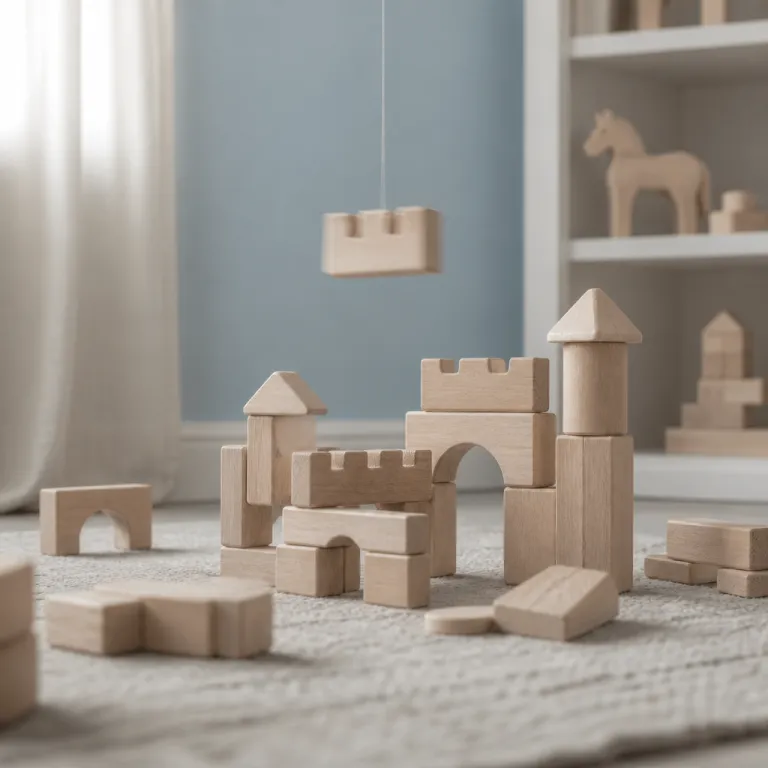
Why wooden castle blocks feel like quiet luxury in the playroom
Parents who choose wooden castle blocks are usually looking beyond trend driven toys. They want a castle building experience that feels timeless, where every wooden block and every carved tower invites calm, focused play. In luxury nurseries and playrooms, a refined block castle often sits beside art books and design objects, signalling that toys can be both beautiful and developmentally rich.
High end wooden castle sets differ from mass market toys because the wood, finish, and proportions are carefully considered for small hands. When a block set is cut from solid maple or beech, each wooden building block has a satisfying weight that helps kids understand balance, gravity, and structure during play. This is where classic wooden design shines, as the best wooden building kits use natural oils and waxes instead of synthetic coatings, keeping surfaces smooth yet grippy for confident stacking.
Luxury parents also pay attention to how these toys age and how a wooden castle might pass from one generation of kids to the next. A well made wooden blocks collection can be expanded over time, adding a new castle building set or a specialised wooden gatehouse as birthdays come and go. When the overall price is higher, you are paying for dense hardwood, precise machining of each wooden block, and a finish that stays beautiful even when boys, girls, and younger siblings share the same building toys every day.
Materials, craftsmanship, and safety in premium castle building sets
The heart of any luxury wooden castle is the material, and serious makers start with responsibly sourced wood. Many European workshops favour maple for its fine grain and durability, while some boutique brands mix maple with ash or oak to give certain castle blocks a contrasting tone. When you hold a single block in your hand, you should feel smooth edges, no splinters, and a reassuring density that makes the toy feel substantial rather than disposable.
Parents should look for building blocks that are finished with natural, solvent free oils or water based lacquers that meet EN 71 and similar safety standards. A premium block set will often highlight that the finish is saliva resistant, which matters when younger kids still mouth the occasional toy block during play. If a brand is transparent about its sourcing, you will usually see details about forest management, drying times for the wood, and the hand sanding process that gives each wooden block its velvety touch.
Craftsmanship also shows in the geometry of the castle building kit, because arches, turrets, and wall segments must align perfectly to keep a tall block castle stable. In the best toys building collections, a double height tower piece will match exactly two standard blocks, allowing kids to experiment with more complex building toys without frustration. For parents who value sustainability, workshops that specialise in reclaimed wood toys often share their philosophy of what play should feel like, and resources such as reclaimed wood toy workshops can help you evaluate which wood castle makers align with your values.
Design details that elevate wooden castle blocks into heirloom pieces
Design is where a simple set of wooden blocks becomes a sculptural wooden castle worthy of a place in a living room, not just a playroom. Luxury brands pay attention to silhouette, ensuring that each block castle profile looks elegant from a distance, with towers, merlons, and bridges forming a cohesive skyline. This visual harmony encourages kids to think about aesthetics as they play, not only about height or speed of building.
Thoughtful designers also consider how kids will handle and store their castle blocks, often including trays or wooden building crates that keep each block set organised. When storage is beautiful, children are more likely to treat their toys with respect, turning tidying into part of the ritual of play rather than a chore. Some high end kits even include a modular wooden block baseboard that doubles as a display plinth, allowing a finished block castle to remain on show for days without taking over the entire floor.
Parents who appreciate quiet luxury often pair a wood castle with other tactile pieces, such as handmade textiles or artisanal plush animals. For inspiration on how to curate this kind of environment, guides on the quiet luxury of handmade plush can be helpful, and resources like handmade plush in quiet luxury interiors show how soft textures complement the solid presence of classic wooden building toys. When these elements come together, the result is a play space where every toy, from the smallest wooden block to the tallest castle tower, feels intentional and worthy of long term display.
How to read luxury toy reviews and understand star ratings
Parents investing in premium wooden castle blocks often rely on detailed reviews, yet not all feedback is equally useful. A five star rating can hide important nuances about how a block set performs with different age groups, especially when boys, girls, and toddlers share the same play space. When you read reviews, look for comments about stability of tall castle building projects, the feel of the wood, and how well the wooden pieces withstand daily use.
Thoughtful reviewers usually mention whether the building blocks arrive in a well designed kit with clear diagrams, or whether the toy encourages free play without instructions. Luxury focused parents should pay attention when a reviewer notes that a block castle remains interesting for older kids, because longevity is crucial when the price is higher than average. A single negative star review about chipped paint might be less relevant if the set uses natural, paint free finishes, so always cross check what materials are actually used in the wooden blocks.
Professional toy reviews sometimes compare castle blocks across brands, highlighting differences in block set geometry, number of pieces, and storage solutions. When a reviewer explains that one wooden building kit offers more double height towers while another focuses on arches and bridges, you can match the building toys to your child’s preferred style of play. Over time, you may notice that certain brands consistently earn four or five stars for their wood castle ranges, which can guide future purchases as you expand your collection of classic wooden toys.
Price, value, and how wooden castle blocks hold their worth
Luxury parents often ask whether a premium wooden castle justifies its higher price compared with plastic toys. The answer usually lies in the combination of dense hardwood, meticulous finishing, and the open ended nature of building toys that grow with kids from preschool to early teens. When a block set remains engaging for many developmental stages, the cost per year of use can be surprisingly reasonable.
Value also shows in how well a castle building set retains its aesthetic appeal, because a classic wooden castle can transition from nursery floor to bookshelf display as children grow. Collectors sometimes treat certain wooden blocks as design objects, especially when limited edition kits feature unusual maple tones or hand carved details. For parents thinking long term, resources on heirloom toys that hold their value, such as heirloom toys that hold their value, can help identify which building blocks and wooden castle sets are most likely to remain desirable.
Resale markets for high quality building block collections are robust, particularly for European brands known for precise wood castle engineering and natural finishes. When a toy has been well cared for, with all wooden pieces present and the original storage box intact, it can command a strong second hand price. This potential for resale, combined with years of imaginative play, makes luxury toys building kits a rational choice for families who prioritise both beauty and long term value.
Choosing the right wooden castle set for your child’s play style
Selecting the ideal wooden castle blocks begins with observing how your child prefers to play. Some kids love structured castle building with clear goals, while others thrive when a block set allows them to improvise sprawling villages and fantastical landscapes. Matching the complexity of the block castle to your child’s temperament ensures that the toy feels challenging but not overwhelming.
For younger children, start with a smaller wooden blocks collection that focuses on simple shapes, wide bases, and a few double height towers for dramatic effect. As their fine motor skills and spatial reasoning develop, you can introduce a more intricate wooden building kit that includes arches, battlements, and specialised building block connectors. Families with multiple boys and girls of different ages often prefer modular block set systems, where each new box of castle blocks integrates seamlessly with the existing wooden blocks.
Parents who value open ended play should look for toys building collections that avoid fixed themes, allowing the same wood castle pieces to become a city one day and a fortress the next. When a toy encourages narrative play, children naturally weave stories around their building toys, giving each wooden block a role in their evolving worlds. Over time, this kind of flexible, classic wooden design supports creativity, problem solving, and a deep emotional connection to the toys that have accompanied them through many stages of childhood.
Key figures and market insights on wooden castle blocks
- According to the Toy Association’s construction toy category reports, global sales of construction toys, including building blocks and castle building sets, exceeded 25 billion US dollars in recent years, with wooden toys representing a steadily growing premium segment. Public summaries from 2022 and 2023 indicate that parents are trading up to higher quality, longer lasting toys rather than buying more low cost items.
- Consumer research from the NPD Group indicates that parents are willing to pay up to 30 percent more for toys made from natural materials such as solid wood, especially when the toys are marketed as heirloom quality and emphasise sustainability. NPD’s toy industry briefings for 2021–2023 repeatedly highlight premium wooden toys as one of the fastest growing niches within the construction category.
- Safety audits by European regulators, summarised in annual product recall statistics, report that wooden toys with natural, solvent free finishes account for a significantly lower share of product recalls compared with painted plastic toys, underlining the safety benefits of high quality wood castle products. These findings are reflected in RAPEX and Safety Gate reports, which track recalls across the European Union.
- Surveys of parents in high income households show that more than half consider resale value when purchasing luxury toys, which supports the strong secondary market for classic wooden building sets and castle blocks. Industry analysts who monitor online marketplaces note that well known European brands with solid wood construction and timeless designs tend to retain a particularly high proportion of their original retail price.
FAQ about luxury wooden castle blocks
What age is appropriate for wooden castle blocks ?
Most luxury wooden castle sets are suitable from around three years, when children can safely handle smaller blocks and begin simple castle building. For younger toddlers, choose larger building blocks with rounded edges and avoid very small pieces. Always check the manufacturer’s age guidance and supervise play, especially when multiple kids of different ages share the same block set.
How many pieces should a good starter set include ?
A well balanced starter block set usually includes between 30 and 60 pieces, enough to create a meaningful block castle without overwhelming a child. Look for a mix of standard wooden blocks, double height towers, arches, and flat roof pieces to support varied building toys scenarios. As your child’s skills grow, you can add expansion kits that integrate with the original wooden building system.
Are natural finishes really safer than painted surfaces ?
High quality natural, solvent free oils and waxes reduce exposure to certain chemicals sometimes found in cheaper painted toys. These finishes also allow the wood castle grain to remain visible, which many parents prefer for aesthetic and tactile reasons. Always verify that the toy meets recognised safety standards such as EN 71 or ASTM, regardless of whether the surface is painted or left natural.
How do I maintain and clean wooden castle blocks ?
To care for wooden blocks, wipe them with a slightly damp cloth and avoid soaking them in water, which can cause warping. If the surface looks dry after years of play, some brands recommend a light application of food grade oil to refresh the finish. Store the wooden blocks collection in a dry place, ideally in the original box or a ventilated wooden block crate.
Can wooden castle blocks support educational goals as well as free play ?
Yes, well designed toys building sets support spatial reasoning, early maths concepts, and storytelling skills while still feeling like pure play. Parents and educators often use building block activities to introduce symmetry, balance, and problem solving in a hands on way. When children design their own block castle layouts, they also practise planning, persistence, and collaboration with siblings or friends.