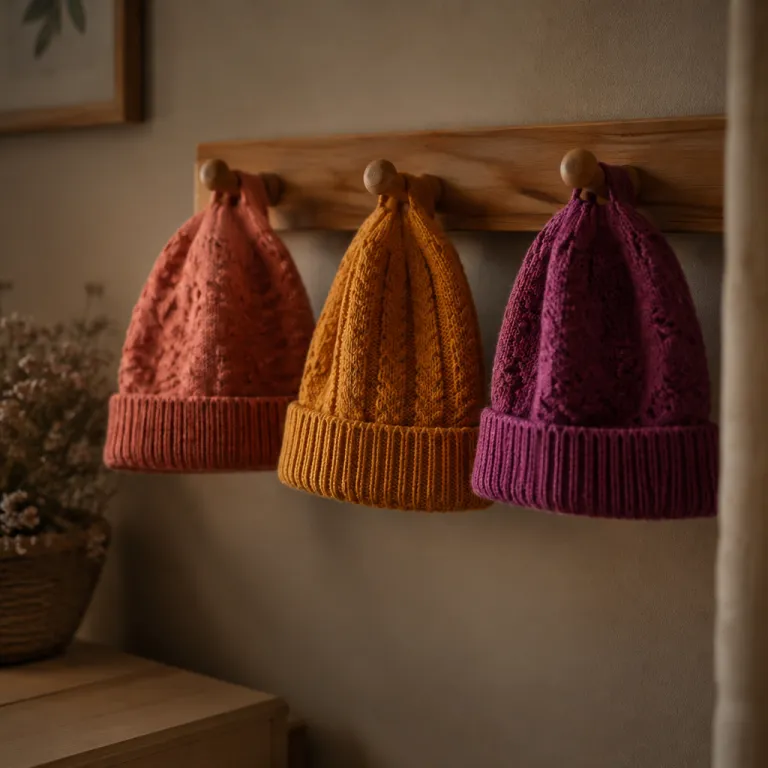
Why refined infant beanies matter in the first months
A luxury infant beanie does far more than keep a baby warm. Thoughtfully designed newborn hats protect delicate skin, help regulate temperature, and frame those first portraits with quiet elegance. For parents who value refined details, the right baby beanie becomes a daily essential rather than a seasonal extra.
During the first month of life, a newborn can lose a meaningful share of body heat through the head, so a soft knit cap in cashmere or organic cotton helps maintain a stable temperature. High end styles for every age baby are usually offered in precise size ranges, such as 0–3 months or 3–6 months, which prevents slipping over the eyes or leaving marks on the forehead. When you buy several caps in different sizes, you create a wardrobe that follows your child from newborn infant through the early infant toddler transition.
Parents often compare products by rated stars, but luxury infant beanies deserve a closer look beyond a simple score. Examine how the knit structure feels against the skin, whether the design has flat seams, and how the fabric stretches as your baby grows month by month. A regular beanie at a low price may look similar online, yet premium options usually justify a higher regular price through better fibers, safer dyes, and more precise craftsmanship.
Materials, knit quality, and age specific sizing for infant beanies
Material choice defines how infant beanies perform in both comfort and durability. A finely knit beanie in cashmere, merino, or GOTS certified organic cotton will feel breathable while still insulating a tiny baby head. For luxury minded parents, the best seller lines often combine a double knit construction with hand finished details that justify the higher price.
Age specific sizing matters as much as fabric when you select any baby beanie or toddler hat. Look for clear guidance on age baby ranges, head circumference in centimeters, and whether the style is meant for newborn infant use or for the later infant toddler stage. Brands that offer a quick buy option with a detailed size chart help you avoid returns and ensure that every child enjoys a secure, gentle fit from their first month onward.
Parents who already invest in premium accessories such as organic headbands with a luxury touch usually expect the same standard from infant beanies. They compare regular price and any temporary sale price, but they also read reviews that mention how the knit holds its shape after washing. When a seller offers free shipping on several beanies, it becomes easier to order multiple sizes so your baby boys and baby girls in the family always have a perfectly fitted winter hat ready.
Design details that separate luxury infant beanies from regular options
Design is where luxury infant beanies quietly stand apart from regular beanies. Subtle stars woven into the knit, a refined beanie navy stripe, or a muted beanie grey tone can coordinate beautifully with a pram suit or cashmere blanket. For parents who prefer warmer hues, a beanie tan shade pairs elegantly with wooden toys and neutral nursery palettes.
Thoughtful brands treat each baby beanie as part of a wider ecosystem of infant products, matching colors with premium burp cloths, blankets, and soft toys. When you already appreciate elevated textiles such as design led cotton burp cloths, you will notice the difference in how a knit beanie drapes and recovers. These details matter for both a newborn infant and an older infant toddler, because a well balanced beanie stays in place during tummy time, stroller walks, and early play.
Parents often rely on reviews to judge whether a best seller beanie truly deserves its reputation. Look for comments that mention how the style fits different head shapes, how the size compares with the chart, and whether the rated stars reflect long term use rather than a quick first impression. When several reviewers praise the same beanie navy or beanie grey colorway as versatile for different outfits and occasions, you gain confidence that the products will integrate seamlessly into your child’s existing wardrobe.
Seasonal needs, kids winter wardrobes, and luxury coordination
Season strongly influences which infant beanies you will reach for each day. In colder kids winter months, a thicker knit beanie with a snug cuff transforms a simple winter hat into a protective layer against wind and drafts. During milder weather, a lighter beanie tan or beanie grey style in breathable cotton keeps a baby comfortable indoors without overheating.
Luxury minded parents often build a small capsule wardrobe of beanies for every age baby, coordinating colors with outerwear, prams, and even luxury toys. A deep beanie navy tone pairs beautifully with wool coats and premium construction themed toys, especially when you choose design led sets from curated collections such as those highlighted in premium construction sets beyond mainstream bricks. Softer hues like beanie tan or pastel beanies work well for both baby boys and baby girls, making it easy to share accessories between siblings.
When you buy seasonal infant beanies, pay attention to how the seller describes insulation, lining, and breathability. Products that are rated with high stars for warmth but also praised in reviews for moisture management will serve a newborn infant through the first kids winter without constant outfit changes. A quick buy option with clear information on size, regular price, and any current sale helps you secure the right winter hat before the coldest month arrives.
Evaluating price, value, and online reviews for infant beanies
Price alone rarely tells the full story with luxury infant beanies. A higher regular price can reflect superior fibers, ethical production, and a more precise knit construction that will outlast cheaper alternatives. When you compare products, consider cost per month of use rather than only the initial price tag.
Online reviews are invaluable, but they require careful reading to extract meaningful insights about each baby beanie or toddler beanie. Focus on comments that mention how the size fits specific age baby ranges, how colors like beanie navy or beanie grey look in natural light, and whether the knit stretches out over time. Pay attention to whether rated stars are based on quick unboxing impressions or on several months of daily wear in real conditions.
Many premium sellers now highlight a best seller badge on their most loved beanies, often accompanied by a rated stars average and verified purchase notes. When a product page offers a quick buy or quick add button, double check the size chart before you click, especially if you are shopping for an infant toddler rather than a newborn infant. Free shipping thresholds can encourage buying multiple beanies at once, which is practical when you need backups for baby boys, a baby girl, and older children who still enjoy a soft winter hat.
From infant to toddler: transitioning beanies as your child grows
The transition from infant beanies to toddler beanies happens faster than many parents expect. Within a few month intervals, an age baby label can shift from 0–3 to 6–12, and a once perfect size may start to feel tight. Planning ahead with overlapping sizes ensures that both baby boys and baby girls always have a comfortable option ready.
As children move into the infant toddler stage, their activity level increases, and so do the demands on each knit beanie. A toddler beanie must stay secure during playground time, coordinate with a winter hat for snow days, and still feel soft enough for sensitive skin. Many families keep a mix of beanies in rotation, from a refined beanie navy for outings to a relaxed beanie tan or beanie grey for everyday wear at home.
Luxury brands often design collections that span newborn infant through early children sizes, allowing siblings to share a cohesive aesthetic. When a particular style becomes a household best seller, parents sometimes buy it in multiple sizes so that brothers, sisters, and older children can match. Taking advantage of a timely sale or free shipping promotion on these products can make it easier to maintain a small but thoughtful drawer of infant beanies and toddler beanies that feel indulgent yet practical.
Key figures on infant beanies and infant headwear safety
- The American Academy of Pediatrics notes that newborns have a relatively large head surface area compared with their body, which contributes to faster heat loss and supports the use of a well fitted beanie for temperature regulation in the early days of life.
- Consumer Product Safety Commission data show that children’s apparel recalls frequently involve loose components, so parents should favor infant beanies without detachable decorations that could pose choking risks.
- Market research from Grand View Research indicates that the global baby apparel segment, which includes infant beanies and other accessories, has grown steadily over the past decade, driven by premiumization and demand for organic materials.
- Surveys from the Organic Trade Association report that parents of infants are among the most likely consumers to seek organic textiles, which explains the rise of organic cotton knit beanie options in luxury collections.
FAQ about luxury infant beanies
How many infant beanies does a newborn really need ?
Most families manage well with three to five infant beanies in rotation. This allows for one on the baby, one drying after washing, and a spare in the diaper bag. If your newborn infant spits up frequently, you may appreciate a couple of extra beanies to avoid urgent late night laundry.
Which materials are best for sensitive newborn skin ?
For a newborn infant with delicate skin, GOTS certified organic cotton and extra fine merino wool are usually the safest choices. These fibers create a soft knit beanie that breathes well while still providing warmth. Avoid rough acrylic blends or heavily treated fabrics that can cause irritation around the forehead and ears.
How should I choose the right size for an infant beanie ?
Always check the size chart and measure your baby’s head circumference in centimeters. A well fitted style should feel snug but never leave marks or slide over the eyes. When in doubt between two sizes, many parents choose the larger option, especially if their baby is close to the next age baby range.
Can one beanie work from infant to toddler stage ?
Some stretchy designs claim to fit from newborn infant through infant toddler years, but the fit is rarely ideal across such a wide span. For both comfort and safety, it is better to update from infant beanies to a dedicated toddler beanie as your child’s head grows. This ensures that baby boys and baby girls enjoy secure coverage without pressure points.
Are luxury infant beanies worth the higher price ?
Luxury infant beanies usually justify their higher regular price through better fibers, careful construction, and more reliable sizing. Parents who value long term comfort often find that a premium baby beanie keeps its shape and softness far longer than cheaper alternatives. When you factor in cost per month of use and potential hand me down value for other children, the investment often feels reasonable.
What should I check before buying a newborn beanie ?
Before you purchase, measure head circumference, confirm the age range on the size chart, and read care instructions to be sure the knit can handle gentle machine washing or hand washing. Inspect product photos for flat seams, soft linings, and the absence of detachable decorations, beads, or loose pom poms that could become choking hazards. Prioritizing breathable natural fibers and secure construction helps you choose infant beanies that are both luxurious and safe.