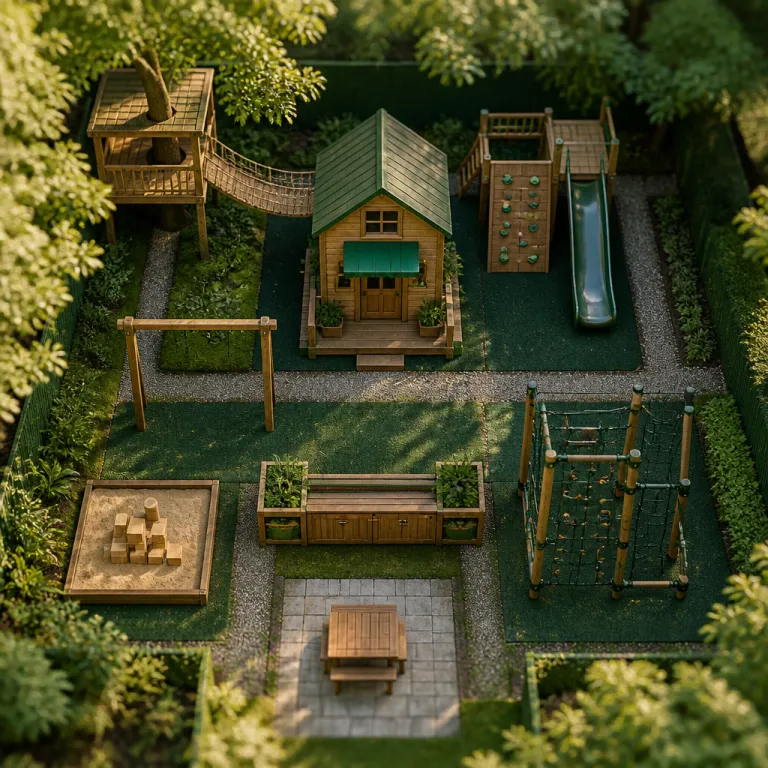
What makes a premium outdoor play structure earn its place
A premium outdoor play structure for children in the backyard is not décor, it is infrastructure. When you commit a patch of lawn to a wooden outdoor playset, you are choosing a small building that must handle weather, weight, and years of daily play. The right swing set or jungle gym should feel closer to garden architecture than to a temporary toy.
For luxury minded families, the gap between a premium outdoor play structure for children in the backyard and a big box swing set is obvious the first time you touch the wood. High end makers use dense cedar, larch, or robinia rather than soft pressure treated pine, and that choice changes everything from the feel of the wooden swing in a child’s hands to the long term maintenance schedule. You pay a higher price at checkout, but the original price often reflects thicker timbers, stainless or hot dipped galvanized hardware, and engineering that keeps the slide, rock wall, and monkey bars rigid instead of rattling after two seasons.
Look closely at how the sets are joined, because joinery is where premium outdoor play either earns its keep or fails early. Through bolts with locking nuts, concealed brackets, and braced A frames on swing sets resist the torsion that comes from older kids pumping high or three toddlers piling onto a baby swing at once. When you compare the current price or price regular of a mass market outdoor playset with the price sale or price current of a boutique brand, factor in that a decade of safe use is cheaper than a set sale that needs replacing after four winters.
Wood, weather, and why materials matter for a decade
Every premium outdoor play structure for children in the backyard lives or dies by its timber. Cedar and larch resist rot naturally, while robinia (often sold as black locust in the United States) is so dense that a drill bit complains before the wood does. Pressure treated pine can keep the regular price low, but it often checks, warps, and sheds splinters into small hands long before the swings or slide wear out.
When you evaluate wooden playsets, ask what species of wood is used for each component, because some brands quietly mix hardwood uprights with softer wood decks and railings. A truly premium outdoor play structure for children in the backyard will specify solid wood posts at least 90 millimetres thick, with sealed end grain and hardware that does not rely on the wood to hold threads, which keeps the jungle gym stable even when older kids hang from the monkey bars or treat the rock wall like a climbing gym. Look for play features such as enclosed towers, wide platforms, and deep swing beams, because these design choices spread loads and reduce stress on any single joint.
Finishes matter as much as species for long term outdoor play, so ask how often the manufacturer expects you to re oil or stain the structure. A realistic maintenance plan for a luxury backyard discovery style playset is a light sanding and fresh coat every two to three years, which is manageable for most families and keeps the outdoor playsets looking intentional rather than tired. If you prefer lower maintenance, consider factory stained cedar with UV inhibitors, accept the higher price current or original price, and treat it like you would a good piece of garden furniture rather than a disposable swing set.
Designing for age span: from toddlers to grade schoolers
The smartest premium outdoor play structure for children in the backyard is not the biggest, it is the one that stays relevant from age two to twelve. For toddlers, a low platform with a short slide, a secure baby swing, and a shallow rock wall feels thrilling without being reckless. As those toddlers grow into grade school kids, the same structure should quietly transform into a more demanding jungle gym with higher monkey bars, faster swings, and outdoor play challenges that reward strength and coordination.
When you evaluate swing sets for this age span, look for modular play features that can be swapped or raised rather than fixed height elements that lock you into one stage. A good outdoor playset might start with a bucket style baby swing and a gentle wooden swing, then later accept a belt swing, a trapeze, or even a small gym style ring set on the same beam, which keeps the backyard interesting without adding more sets. For water loving families, pairing a compact premium playset with a dedicated outdoor water play zone, such as the setups reviewed in this guide to premium outdoor water play for small children, can extend the life of the backyard without overwhelming it.
Grade school kids also crave autonomy, so consider how the structure supports independent outdoor play once you are comfortable stepping back. Enclosed clubhouses under the deck, chalkboard walls, and climbing nets turn a simple swing set into a social hub where kids invent games rather than just queuing for the slide. If you are buying as a grandparent or godparent, think less about the sale price on the cart page and more about whether the regular price buys a structure that will still feel challenging when the child is tall enough to touch the swing beam.
Engineering, installation, and the real cost over ten years
Sticker price is the loudest number on any swing set listing, but it is rarely the most honest. A premium outdoor play structure for children in the backyard carries a higher regular price because the engineering, hardware, and installation expectations are closer to a small garden building than to a toy. When you spread that cost over a decade of outdoor play, the price sale on a flimsy set starts to look less like a bargain and more like deferred frustration.
Start with footprint and fall zones, because these determine whether the structure feels integrated or jammed into the backyard. A well designed outdoor playset will specify clear safety perimeters around the swings, slide, and rock wall, and you should respect those even if it means choosing a slightly smaller set, since cramped layouts lead to collisions when multiple kids play at once. Plan for impact absorbing surfacing such as engineered wood fibre, rubber mulch, or turf designed for playgrounds, and include that in your mental current price, because grass alone rarely survives under active swing sets.
Installation is where many luxury buyers underestimate the real cost, especially when the cart shows a tempting set sale or price sale. Professional assembly can easily match or exceed the original price of a lower end playset, but it also ensures that every bolt is torqued correctly, every anchor is secure, and the structure sits level, which protects both the wood and the children. Over ten years, a properly installed premium outdoor play structure for children in the backyard will demand periodic checks of hardware, occasional tightening of swings, and a fresh stain, but it should not require structural repairs, and that reliability is what justifies the higher price current compared with a disposable alternative.
When play structures become garden architecture
The most successful premium outdoor play structure for children in the backyard does not shout from across the lawn, it settles in. Think of it as a small pavilion or folly, with proportions, rooflines, and materials that echo the house and garden rather than clashing with them. When the wood tones match your fencing or deck and the slide color harmonizes with planting, the structure reads as intentional design, not visual noise.
High end brands and bespoke builders often borrow cues from Scandinavian cabins or Japanese garden structures, using simple gabled roofs, vertical wood slats, and restrained color palettes. This approach turns the jungle gym tower into a miniature treehouse or lookout, which older kids appreciate long after they have outgrown the baby swing or toddler sized play features, and it keeps the backyard feeling calm even when the playsets are in heavy use. If you care about visual coherence, prioritize a single strong form with a few well chosen elements, such as one generous swing beam, a single wide slide, and a compact climbing wall, instead of a tangle of add on sets.
Interior detailing matters too, especially for grade school children who use the space as a clubhouse. Smooth sanded wood, enclosed railings, and thoughtful touches like window cutouts or bench seats invite quieter play such as reading or crafts, which aligns with the kind of open ended creativity explored in this analysis of artisanal craft kits for children. When a premium outdoor play structure for children in the backyard supports both high energy outdoor play and calmer imaginative games, it earns its footprint in a way that a generic swing set never will.
Choosing for grade school gifts: what affluent buyers should prioritize
For grandparents and godparents shopping for a standout grade school gift, a premium outdoor play structure for children in the backyard is a bold, generous gesture. It is also a commitment to a specific corner of the garden, so the decision deserves the same care you would give to commissioning a piece of furniture. The goal is not the most elaborate swing set on sale, but the structure that will still feel relevant when the child is revising for middle school exams under its roof.
Start by clarifying how the family actually uses their outdoor space, because a compact but dense outdoor playset can be more valuable than sprawling swing sets that dominate the lawn. If the parents already prioritize outdoor play with regular trips to parks and climbing gyms, a backyard discovery style jungle gym with serious monkey bars, a challenging rock wall, and a tall slide may be the right match for their kids’ energy. In more design led gardens, a lower profile wooden swing and a single bay swing set attached to a small tower might integrate better, leaving room for planting beds and adult seating.
Thoughtful buyers also look beyond the structure itself to the ecosystem of play around it. Pairing a premium outdoor play structure for children in the backyard with a beautifully made indoor puzzle or wooden art toy, such as the elephant themed luxury wooden puzzle reviewed here, can create a rhythm between quiet indoor focus and vigorous outdoor play that supports healthy development. When you treat the regular price or current price as an investment in a decade of movement, imagination, and family memories, the numbers on the cart screen start to feel less like a transaction and more like a long term gift, and that is the kind of luxury that matters.
Key figures on backyard play structures and children’s outdoor time
- According to the American Academy of Pediatrics, children benefit from at least 60 minutes of moderate to vigorous physical activity per day, and well designed backyard playsets can make that target easier to reach without additional travel.
- A study published by the Centers for Disease Control and Prevention reported that children with regular access to safe outdoor play spaces are about 20 % more likely to meet daily activity recommendations compared with peers without such access.
- Industry data from the International Play Equipment Manufacturers Association indicates that properly maintained wooden outdoor playsets typically offer 10 to 15 years of functional life, which means a premium outdoor play structure for children in the backyard can serve multiple siblings or even generations.
- Consumer safety analyses from the U.S. Consumer Product Safety Commission show that appropriate impact absorbing surfacing under swing sets and slides can reduce the severity of fall related injuries by up to 50 % compared with bare grass or packed earth.
FAQ: premium outdoor play structures for family backyards
What wood is best for a long lasting backyard play structure ?
Cedar, larch, and robinia (black locust) are widely regarded as the best woods for a premium outdoor play structure for children in the backyard, because they resist rot and insects without heavy chemical treatment. Pressure treated pine can be serviceable at a lower price, but it tends to warp and splinter sooner, especially on high wear elements like swing beams and deck boards. For a decade long investment, solid cedar or robinia posts with quality hardware justify their higher regular price.
How much space do I need for a safe swing set and slide ?
Most manufacturers recommend at least 1.8 to 2.4 metres of clear space around all sides of a swing set or outdoor playset, with extra clearance in front of and behind the swings. This fall zone should be covered with impact absorbing surfacing such as engineered wood fibre, rubber mulch, or playground rated turf rather than bare grass. Always check the specific footprint and safety guidelines for the model you are considering, because larger jungle gym designs with monkey bars and rock walls may require more room.
Are premium wooden playsets worth the higher upfront cost ?
For families planning to stay in their home for several years, a premium outdoor play structure for children in the backyard is usually more cost effective over time than replacing a cheaper set every few seasons. Higher quality wood, hardware, and engineering reduce maintenance issues, keep swings and slides stable, and maintain resale appeal if you eventually sell the house. When you spread the original price over ten years of daily outdoor play, the cost per year often undercuts that of a lower priced set that fails early.
How can I make a play structure work for both toddlers and older kids ?
Choose a modular design that allows you to start with toddler friendly elements such as a baby swing, low slide, and enclosed platforms, then swap in more challenging play features as children grow. Many premium swing sets accept different swing seats, climbing accessories, and even add on monkey bars, which lets the structure evolve from a safe toddler zone into a grade school jungle gym. This approach keeps the backyard engaging for a full decade without needing multiple separate sets.
What maintenance does a wooden backyard playset require ?
A well built wooden outdoor playset typically needs an annual inspection of hardware, tightening of swing hangers, and a check for splinters or cracks, plus re staining or sealing every two to three years depending on climate. Keeping vegetation trimmed back, clearing debris from around posts, and maintaining proper surfacing depth under swings and slides all help extend the life of the structure. With this level of care, a premium outdoor play structure for children in the backyard should remain safe, attractive, and structurally sound for a decade or more.