Rethinking premium outdoor water toys for grade school kids
Premium outdoor water toys that children actually use start with materials, not marketing. For grade school kids who move between pool, garden, and beach in one afternoon, the best equipment feels solid in the hand, shrugs off UV, and keeps its colour after hundreds of hours of water play. When you are buying for discerning children and gifting across siblings, cousins, and friends, the right outdoor water gear should feel closer to small-scale marine equipment than to disposable toys scooped from a supermarket bin.
Look first at what lives in salt and chlorine without complaint. Silicone buckets and water toys, marine grade stainless steel tools, and dense FSC certified hardwood accessories turn a simple splash pad or play mat into a long term water sports lab for curious children. When these play sets are chosen well, they bridge ages gracefully, so a grade school child can lead games for younger children around the same outdoor water station, from a compact water slide to a modular splash channel.
Parents often default to a giant pool float or themed pool floats with blue stars because they photograph well. Those inflatables have a place, but they puncture, fade, and rarely survive more than one intense summer of kids’ play. A better baseline is a small collection of non inflatable outdoor toys and one or two carefully chosen pool accessories that can move between pool, lawn, and even bathtub without feeling like seasonal clutter.
For this age group, the most effective premium outdoor water toys are open ended. A set of weighted silicone cups, a sturdy water gun with a repairable seal, and a teak handled net can support dozens of games that evolve as children’s skills grow. The goal is not to own the top rated toy from an online list, but to curate a compact kit of water play pieces that still feel relevant when the original price has long been forgotten and the current price on new models has climbed.
Water tables, channels, and grade school engineering play
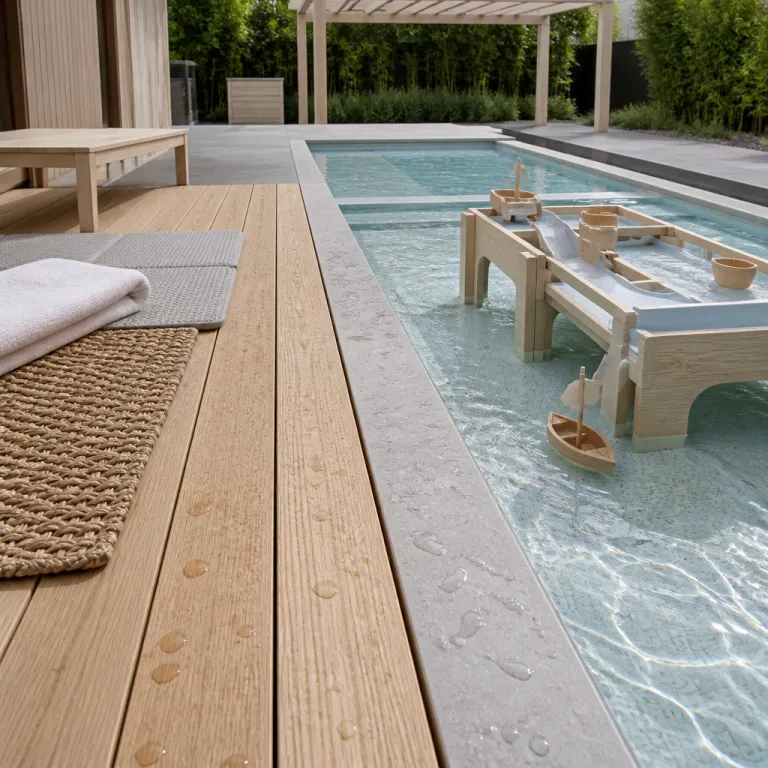
For grade school kids who like to tinker, a water table is less a toy and more a laboratory. Systems from Dantoy in Denmark and AquaPlay in Germany show how premium outdoor water toys children can use for years combine UV stable plastics with gasketed joints that do not leak after repeated assembly. Sets such as the Dantoy Blue Marine sand and water table or the AquaPlay LockBox canal system typically use thicker walls and rubber seals tested to EN 71 safety standards, so channels stay watertight even after dozens of builds.
Look closely at the plastics in these outdoor toys before buying. European makers that carry TÜV certification or similar independent testing marks usually use UV stabilized material that resists chalking and cracking, which means the water play surface stays smooth under small hands and bare feet. That matters when children are leaning over a splash pad or play mat for an hour, sending water balloons down improvised canals or racing pool floats between gates they have built from modular equipment.
For grandparents and godparents seeking grade school gifts that feel substantial, a well designed water table can be the top choice. It anchors a corner of the garden, works with a simple hose or sprinkler kids attachment, and invites cooperative games where older children explain rules to younger siblings. For more ideas in this age band, the guide to exquisite grade school gifts for discerning parents shows how to pair a water table with complementary play sets that encourage both quiet experimentation and high energy splash sessions.
When you evaluate price, think in seasons, not weeks. A modular channel system that survives five summers of outdoor water exposure, from pool edge to patio, often delivers better value than three cheaper toy sets that fade, warp, or lose seals after one season. The real luxury is not the original price on the box, but the way the toy still earns its space in the garden when your child is tall enough to adjust the sprinkler alone.
Sand and water combinations: building worlds that last all summer
Some of the most enduring premium outdoor water toys children remember mix sand, water, and structure. Brands like Hape and Plan Toys use sustainably sourced wood and carefully sealed bioplastics to create outdoor toys that move seamlessly from sandbox to pool edge without feeling flimsy. When these systems are paired with a reliable sprinkler and a shallow splash pad, grade school kids can build dams, channels, and miniature harbours that stay in place for days of evolving play.
Look for sand and water play sets that specify marine grade fasteners and UV resistant finishes. Screws in stainless steel, dense rubber seals, and removable fabric elements mean the equipment can be rinsed, dried, and stored without mildew or rust, which is crucial when toys live near a chlorinated pool or salty coast. A well designed play mat under the structure protects stone terraces, while a nearby water slide or pool float offers a quick transition from focused building to full body water sports.
These hybrid sets are particularly strong choices for milestone gifts. A grandparent might pair a sand and water station with an elegant child sized seating solution, such as the designs explored in this piece on foldable chairs for children, creating a small outdoor studio where children can pause, plan, and then return to splash and sculpt. The best setups allow children to move between quiet construction games and high energy water play without changing zones entirely.
Maintenance is where luxury either proves itself or fails. Rinse sand off wooden elements after each session, let silicone accessories dry flat, and store smaller water toys like water balloon kits, water gun sets, and compact pool pieces in ventilated crates. When cared for this way, the original price of a premium sand and water station spreads across many summers, and the current price of replacing cheaper sets every year starts to look far less appealing.
From bath to pool: transitional toys for cautious swimmers
For many children, the safest premium outdoor water toys are the ones that feel familiar from the bath. Silicone boats, soft edged cups, and small figures that work in both bathtub and pool help cautious kids transfer confidence from indoor routines to outdoor water environments. When a child recognises the same toy in the pool that they handle in the tub, the first splash feels less like a risk and more like an extension of known play.
Choose bath to pool toys with sealed seams and no hidden cavities. Pieces that trap water become mould risks, especially when left near a warm pool or under a sprinkler, so look for open designs that dry completely between sessions. A compact set of such toys children can carry themselves in a mesh bag turns the walk from bathroom to garden into part of the ritual, reinforcing ownership and care.
Transitional sets also help parents manage siblings at different stages. While a younger child experiments with pouring games on a splash pad or play mat, an older sibling might use the same style of cup to time races between pool floats or to fill a small water slide reservoir. This shared design language across outdoor toys keeps the aesthetic coherent and the storage simpler, even as the complexity of games grows with age.
For families investing in a broader play ecosystem, it can be useful to think across categories. A child who loves cause and effect in water play often thrives with gravity based toys indoors, such as the ramp systems discussed in this analysis of why a luxury ramps racer set belongs in your toddler’s playroom. The same curiosity that sends a boat down a channel or a water balloon along a gutter will later send a wooden car down a track, and the right premium outdoor water toys children use now can quietly prepare that progression.
Inflatables versus permanent builds: what really earns its footprint
Inflatable toys have become shorthand for a luxury pool day, but they are only one slice of premium outdoor water toys children genuinely need. A giant pool float shaped like food or animals may thrill for a weekend, yet it often ends up sagging in a corner by late summer. In contrast, a compact, rigid water slide with stainless steel hardware or a teak framed splash pad can serve as the reliable backbone of outdoor water play for many years.
When deciding where to spend, ask how often the toy will be inflated, deflated, and stored. Inflatables suffer at the seams, especially when dragged across stone or exposed to intense UV, so even the best pool floats from respected makers have a finite life. Rigid equipment built from marine grade materials costs more at original price, but the current price per season drops sharply when it survives five summers of children climbing, sliding, and staging elaborate games around it.
Not all inflatables are equal, of course. A small, thick walled pool float with multiple air chambers and reinforced handles can be a smart pool toy for younger kids, especially when paired with a clear safety routine and constant supervision. The key is to treat these as accents around a core of non inflatable outdoor toys, rather than as the entire water play strategy.
Storage is the quiet test of any premium outdoor water toys collection. Create a shaded, ventilated zone where children can help rinse, sort, and hang their equipment, from water gun sets and sprinkler kids attachments to mesh bags of water balloons and small blue stars themed accessories. The toys that still feel worthy of that space after several seasons are the true top performers, not because of a five star online rating or a flashy box, but because they have become part of your family’s summer rhythm.
FAQ
How do I choose safe premium outdoor water toys for small children ?
Start with materials and design rather than themes or characters. Look for UV stable plastics, silicone, or wood with non toxic finishes, and avoid toys with hidden cavities that trap water and encourage mould. Prioritise stable bases, rounded edges, and toys that keep children within arm’s reach in shallow water.
Are non inflatable water toys better than pool floats for young kids ?
Non inflatable toys usually offer better stability and longevity for small children. Rigid water slides, splash pads, and water tables do not deflate or puncture, and they encourage active play rather than passive floating. Small, well made pool floats can still be useful, but they should complement, not replace, solid equipment.
How many outdoor water toys does a family really need ?
A compact, well chosen kit often serves children better than a crowded deck. One water table or splash pad, a few versatile pouring and scooping tools, and one or two pool toys are usually enough for rich play. Extra items like water balloons or themed floats can be rotated in for special occasions.
What is the best way to store premium outdoor water toys between seasons ?
Rinse all toys with fresh water, let them dry completely, and inspect for cracks or worn seals. Store rigid pieces in a shaded, ventilated area, and keep smaller accessories in mesh bags or open crates to prevent mildew. Avoid stacking heavy items on softer plastics or silicone to preserve their shape.
Do luxury outdoor water toys really last longer than cheaper options ?
When they use marine grade materials and thoughtful construction, premium toys usually outlast budget versions by several seasons. Thicker plastics, stainless steel hardware, and UV resistant finishes resist fading, cracking, and rust. Over time, the higher initial price often works out to a lower cost per summer of use.