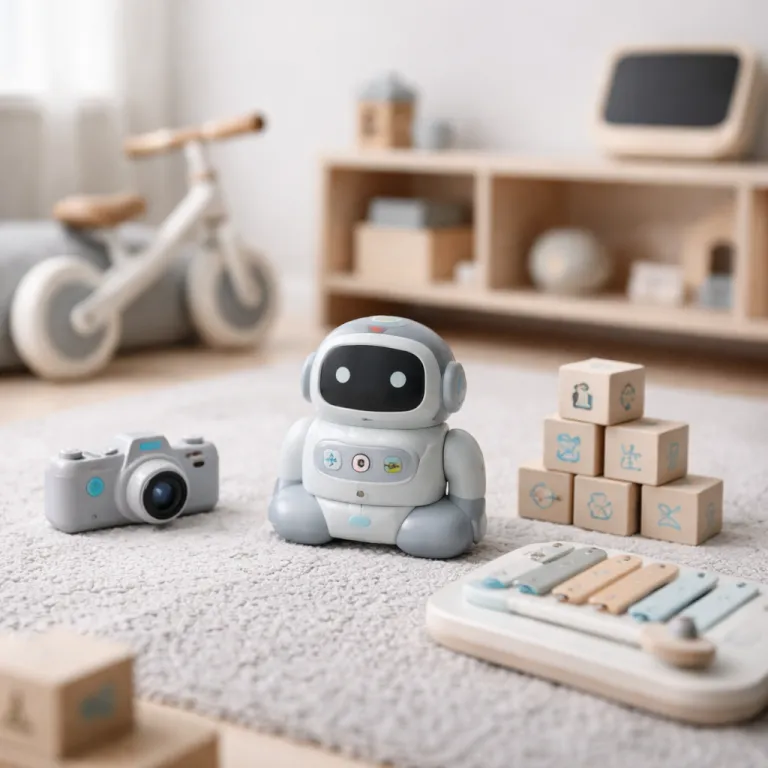

The saturation problem at three: editing the playroom
By three, many children already own more toys than they can reasonably use. The first and second birthdays bring a flood of gifts, and the best toys often arrive early while the third year quietly inherits clutter that dilutes meaningful play. Your task now is not to add another toy, but to curate a collection that keeps this year rich without turning the room into storage.
Look closely at what still earns daily play and what has become background noise for your three‑year‑old. Often the very best pieces are simple wooden toys, a single great doll, one open‑ended track set, and a few board games that actually get finished. Everything else, from the themed bath toys to the quick plastic games, tends to sit untouched and only steals attention from the toys that still build fine motor skills and imaginative play.
Parents often ask for a guide best suited to this age rather than another random Amazon haul. Start by grouping every toy into four piles: vertical movement, pretend play, narrative figures, and first craft. Then use one simple rotation routine: keep one pile on low shelves, store the others in labeled bins, set a monthly reminder to swap piles, and donate anything that has not been requested in three months. This keeps three‑year‑olds engaged, protects your floor space, and lets you see which game, board game, doll, or stacking game truly earns its place.
Vertical play: climbing pieces that change the room
Most luxury toys for three‑year‑olds that genuinely shift behaviour are not small; they are architectural. A Piccalio climbing triangle or a Wiwiurka Pikler‑style arch turns dead floor into a vertical play landscape where kids can climb, slide, drape silks, and run toy cars along the rungs. These pieces outlast many wooden toys because they meet a three‑year‑old’s need for risk, gross motor skills, and quick bursts of intense play.
Think of these as Montessori toys scaled up, not just another toy. A well‑built climbing set paired with a simple track set on the floor gives your kids a full‑body game that links balance, coordination, and imaginative play as dolls’ friends ride up the ramp and wooden cars race down a track. When you invest once in a great vertical toy, you often buy fewer small toys year after year, because the best core pieces keep absorbing new games and new stories.
For families already using a luxury rocker climber set, this is the moment to refine how it lives in the room. Place it near natural light with a basket of loose parts, a few HABA wooden figures, and one Melissa & Doug board game nearby, and you have a quiet invitation to play that beats any Amazon impulse buy. If you add a soft mat and follow basic Pikler arch safety tips—clear floor space, bare feet, and active supervision—you create a safer gross motor zone, then decide which track, doll, or stacking game actually deserves to stay beside it.
Pretend play that grows up: markets, workbenches, and real tools
By the third year, pretend play shifts from mouthing objects to running full scenarios. This is when a kid‑scale market stall, a Pinch Toys workbench, or a compact wooden kitchen quietly outperforms another themed plastic set. The right pretend play toy lets three‑year‑olds rehearse real life with just enough abstraction to keep the game open‑ended.
Look for wooden toys that feel like tools, not props. A small Melissa & Doug tea set made of wood, a PlanToys workbench, or a simple HABA pot set invites kids to pour, stir, and fix while also training fine motor skills as they twist knobs, balance cups, and line up parts in a stacking game. When dolls’ friends join the scene, the same board game pieces can become food, coins, or tools, turning one toy into many games instead of buying a new pretend set every year.
Luxury does not mean more accessories; it means better edited ones. One great doll with a changeable outfit, a few smaller dolls, and a single track set for deliveries will support richer imaginative play than a shelf of character‑licensed toys year after year. If you already own a strong base of toddler pieces that survived eighteen months of real sibling use, this is the moment to elevate them into a more intentional pretend play zone using a curated guide best suited to three‑year‑olds rather than chasing every new Amazon trend.
Narrative toys and first real craft: stories in their hands
Three is the age when kids start telling stories out loud while they play. Narrative toys like Ostheimer figures or Holztiger animals give their hands something worthy of those stories, with carved wood that feels substantial and paint that invites gentle handling rather than rough crashing. A small set of these wooden toys can live beside a board game shelf and still feel like sculpture in a luxury living room.
Pair these figures with the first real craft materials, not just another activity kit. Soft real clay, thick tempera paint, and child‑sized scissors turn play into making, and they refine fine motor skills in ways no quick electronic toy can match, especially when kids build landscapes or track set scenery for their animals and dolls’ friends. You can even use a simple stacking game as a base for towers, bridges, and pretend play markets, letting the same toys year after year support both art and engineering.
Board games enter a new phase here as well. Look for a cooperative board game where three‑year‑olds can roll, move, and win together, rather than competitive board games that end in tears, and keep the rules short enough for quick rounds. A single great cooperative board with wooden pieces can become part of daily play, while lesser games drift to the back of the cupboard like so many forgotten bath toys and plastic dolls.
What not to buy, and how to rotate what you keep
The easiest mistake at this age is buying another themed set because it looks cute on a screen. Most character‑driven toys for three‑year‑olds peak fast, then sit idle while your kids return to the same wooden track, the same doll, the same best toys that actually fit their hands and their stories. Luxury families feel this as the year‑three gift cliff, when it seems like there is nothing left to buy that truly changes play.
Instead of adding, refine. Avoid another dollhouse upgrade, another Amazon‑exclusive board game, or another pile of bath toys that promise quick novelty but add no depth to imaginative play or motor skills, and focus on strengthening four categories: vertical movement, pretend play, narrative figures, and first craft. Keep one category visible at a time, store the others in clear boxes, and rotate monthly so the same toys year after year feel fresh without increasing the total number of games or sets.
This rotation ritual works best when each category is anchored by one or two wooden toys that can flex. A single track set can host cars one month, animals the next, and dolls’ friends running a train game after that, especially if you draw inspiration from ball and block mazes that show how simple tracks can stay interesting over time. When you treat every toy, from a Melissa & Doug stacking game to a HABA cooperative board, as part of a long‑term system rather than a one‑off purchase, you buy less, your kids play more, and the real luxury becomes not the unboxing, but the fifth birthday it survives.
FAQ
What types of toys for three year olds are worth investing in?
For three‑year‑olds, invest in a small number of durable toys that support open‑ended play. Vertical climbing pieces, wooden toys for pretend play, narrative figures, and simple cooperative board games usually offer the best long‑term value. These categories build both motor skills and imaginative play without needing constant new purchases.
How many toys should a three year old have available at once?
Most kids this age do best with four to six toys or sets visible at a time. You can keep the rest stored and rotate monthly so the same toys year after year feel new again. This reduces clutter, deepens engagement, and makes it easier for kids to tidy up independently.
Are montessori toys necessary for three year olds?
Montessori toys are not mandatory, but their design principles are useful. Simple, self‑correcting materials that isolate one skill at a time can help three‑year‑olds focus and build confidence. Many high‑quality wooden toys and board games follow similar ideas even if they are not labeled as Montessori toys.
How can I tell if a toy really supports fine motor skills?
Look for toys that require controlled hand movements such as twisting, pinching, threading, stacking, or using tools. Examples include a stacking game, lacing beads, child‑safe scissors, and small wooden figures that kids position carefully during pretend play. If your child’s fingers are actively working rather than just pressing a single button, the toy is likely helping fine motor development.
What should I avoid buying for a luxury playroom at this age?
Avoid large themed sets with many fixed functions, character‑licensed toys that lock kids into one story, and fragile items that cannot handle daily play. These often look impressive but offer little room for growth or imaginative play. Focus instead on versatile pieces that can join different games, from a simple track set to a well‑made doll or cooperative board game.
Buyer’s checklist for luxury toys for three‑year‑olds
Use this quick checklist when you are choosing toys for a three‑year‑old’s playroom:
- Piccalio climbing triangle – Ages 2–6, solid wood indoor climber; Pros: long‑lasting, supports gross motor skills; Cons: requires floor space and supervision. Typical price: mid to high three‑figure range depending on finish.
- Wiwiurka Pikler‑style arch – Ages 18 months+, reversible rocker and climber; Pros: versatile, works with cushions and ramps; Cons: lighter kids may need a mat for stability. Typical price: mid three‑figure range for a full set.
- PlanToys wooden workbench – Ages 3+, pretend tools and bolts; Pros: excellent for fine motor practice; Cons: small pieces need careful storage. Typical price: low to mid three‑figure range.
- Melissa & Doug wooden tea set – Ages 3+, simple pretend kitchen set; Pros: durable, easy to combine with other toys; Cons: limited colours and accessories. Typical price: mid two‑figure range.
- Ostheimer or Holztiger figures – Ages 3+, hand‑finished wooden animals; Pros: heirloom quality, strong narrative play; Cons: higher price per piece. Typical price: low two‑figure range per animal.
Buy toys that are clearly labeled for ages three and up, use non‑toxic finishes, and feel substantial in the hand. Skip anything that flashes, talks, or plays music but gives your child nothing meaningful to build, stack, climb, or imagine, and add clear alt text to any product photos you save so you can quickly share a visual wish list with grandparents or caregivers.