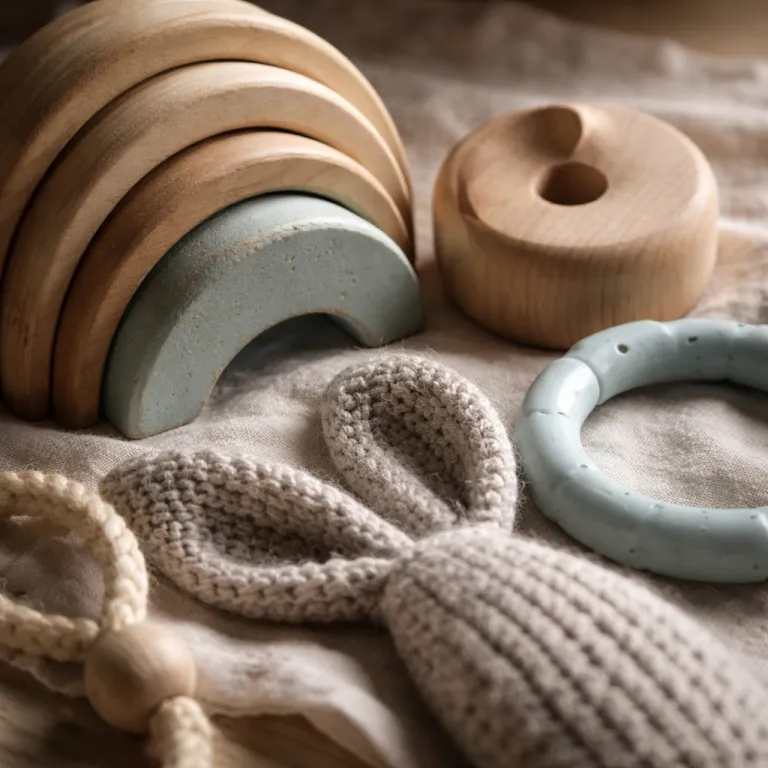
The photograph test for natural materials kids toys
Natural materials kids toys have to satisfy two clients at once. They must feel right in a child’s hand, yet they also need to sit calmly within a carefully edited nursery where toys and furniture share a restrained palette. For design led parents, the right toy is not a compromise between aesthetics and play but a single object that holds both roles.
Start with material honesty before you even think about price or brand. A truly luxury toy is usually a wooden toy or a piece made from organic cotton, with grain, weave and weight that read clearly from across the room and separate it from anonymous plastic toys that glow too brightly under daylight. When you line up wooden toys on a low shelf, the silhouettes of each toy and of each set should be legible at a glance, so that kids can read the invitation to play without visual noise.
Look closely at colour when you choose natural materials kids toys for a nursery that doubles as a grown up space. Ocamora rainbow arcs, for example, use stains that leave the wooden grain visible, so the arcs feel nature inspired rather than synthetic, and they sit comfortably beside pale walls and linen curtains. Kiko+ tanabata stacking sets do something similar with muted pastels, turning building into a sculptural gesture that pleases both children and parents who care about proportion, blocks height and the way toys kids leave on the floor still look intentional.
Scale matters as much as shade when you curate children toys for open shelving. A single grimm style stacking set or a line of wooden blocks can anchor a whole wall, while smaller waldorf toys and tiny pretend play pieces live in baskets below, ready for fine motor work. Think of each toy and each of the sets as part of a larger composition, where even outdoor toys waiting by the door echo the same natural palette and avoid the shout of primary coloured plastic.
The kid test: durability, safety and motor skills
Once a toy passes the photograph test, it has to survive real play. Natural materials kids toys earn their keep when they handle drops from a one metre height, chewing from toddlers and the slow, grinding wear of toys years of use without splintering or shedding toxic finishes. The quiet goal is a shelf that looks curated but can be ransacked daily by kids and still reset in five minutes.
Durability starts with the base material and the way the building blocks or figures are joined. Solid beech or maple wooden blocks with rounded edges resist dents far better than hollow plastic toys, and they age into a soft patina that design conscious parents often prefer to the regular shine of new plastic. When you compare a wooden toy at regular price with a cheaper toy based on thin plastic, the higher initial price sale often works out as better value because the wooden sets remain structurally sound for years.
Safety is non negotiable in luxury children toys, especially for families who care about what sits in a child’s mouth. Look for natural finishes that are certified free from lead and other toxic heavy metals, and avoid any toy where the paint chips under a fingernail, because that usually signals a shortcut in production. Brands that focus on eco friendly materials tend to be transparent about testing, and they often specify how their toys support motor skills, problem solving and fine motor development rather than just listing vague educational claims.
Maintenance is the last part of the kid test that many parents overlook. Natural materials kids toys made from sealed wood or organic cotton can usually be wiped clean with a damp cloth, while complex plastic motor toys with hidden screws trap dust and are rarely worth the effort. If you are curious about how sustainable makers handle these questions at scale, a detailed look at sustainable foam block practices shows how thoughtful design can make even soft blocks more durable and less disposable.
Pieces that clear both tests: specific eco luxe examples
Certain natural materials kids toys consistently satisfy both the camera and the child. Ocamora rainbow arcs, for instance, function as open ended building sets, as bridges for pretend play and as sculptural objects that sit quietly on a shelf when play is over. Their wooden construction, sanded smooth and finished with non toxic stains, supports fine motor exploration for very young kids and more complex problem solving for older children.
Kiko+ tanabata stacking sets bring a similar duality, with star shaped wooden blocks that can be arranged in vertical towers or laid flat as graphic patterns. The sets are small enough to live in a shallow tray on a coffee table, which means children toys do not have to be exiled to a separate room, and the regular price reflects the hand finished quality rather than a hidden battery powered motor. When these wooden toys fall, they make a soft, satisfying sound instead of the harsh clatter of plastic toys, which matters in a home where adults work or rest near the play area.
Textile pieces can also meet the eco friendly and aesthetic brief when they use organic cotton and restrained colour. Moulin Roty fabric dolls, for example, avoid the exaggerated expressions and synthetic sheen of many plush toys, and their bodies are soft enough for toddlers yet detailed enough to support nuanced pretend play for several toys years. For parents interested in how stacking forms support motor skills and spatial reasoning, a deeper dive into luxury wooden stackable toys explains why a single well made wooden toy set can replace a whole bin of regular plastic.
Paper based pieces can be surprisingly luxurious when they respect the same design principles. Poppik paper posters turn walls into interactive canvases, inviting kids to place stickers with precision and build fine motor control while creating large scale images that feel at home in a minimalist nursery. Cam Cam Copenhagen wooden pieces, from simple cars to small building blocks, round out the picture, offering nature inspired forms that slide easily into both nursery shelves and shared living spaces without shouting for attention.
The rotation ritual and the nursery as a room
A well edited collection of natural materials kids toys works only if children can actually see and reach them. The most effective families I visit keep three or four toys or sets visible on low shelves, with the remainder stored in linen lined boxes or cupboards that match the room’s furniture. This rotation ritual keeps play fresh for kids while preserving the calm visual field that design led parents value.
Think of the nursery as a room first and a storage unit for children toys second. When you choose wooden blocks, waldorf toys or outdoor toys, consider how their colours and forms relate to the rug, the crib and the art on the wall, so that toys kids leave out feel like part of the composition rather than clutter. A small grimm style set of arches, a single wooden toy car and a basket of organic cotton animals can be enough for a week, especially when the toys are open ended and invite multiple kinds of play.
Rotation also protects the objects themselves, which matters when you have invested in higher price pieces. By limiting how many toys are in circulation, you reduce the constant dropping, stepping and accidental crushing that can damage even the best wooden toys over years of use. Parents often notice that when fewer toys are available, kids engage more deeply, which strengthens motor skills, language and problem solving rather than encouraging quick, shallow play.
Storage should echo the same eco friendly values as the toys. Simple wooden crates, woven baskets and fabric bins made from organic cotton keep plastic to a minimum and age gracefully alongside the furniture, while clear labelling helps children take responsibility for resetting the room. Over time, this rhythm of play, tidy and rotate turns the nursery into a shared project, where kids learn that each toy and each set has a place and a purpose.
What to skip: when luxury is only a price tag
Not every expensive toy earns a place in a design led nursery. Many plush animals with synthetic fill, glossy themed sets and oversized plastic toys carry a luxury price but fail both the photograph test and the kid test. They dominate the room visually, date quickly and often show wear long before the warranty ends.
Character licensed building sets can be especially deceptive for parents who care about natural materials kids toys. Themed blocks or vehicles tied to a specific film or series may thrill kids for a few months, but they rarely support open ended play or long term problem solving because their narrative is already fixed. When the character falls out of favour, the toy feels obsolete, while a neutral wooden blocks set or a nature inspired waldorf toys collection can shift from castle to city to forest over many toys years.
Be wary of any toy whose value seems based mainly on a high regular price and a flashy price sale tag. Luxury plastic toys with built in motor functions often fail at the first drop, and once the internal motor breaks, the remaining shell offers little for fine motor exploration or imaginative play. In contrast, a simple wooden toy at a fair sale price can be repaired, refinished or passed down, which is the real measure of value in children toys.
Finally, pay attention to how a brand talks about safety and materials. If a company is vague about whether its finishes are toxic or free from lead, or if it leans heavily on buzzwords like eco friendly without clear, test based data, treat that as a warning sign. For families curating natural materials kids toys, the goal is not the unboxing but the fifth birthday it survives, still ready for another round of play.
FAQ about natural materials kids toys
Are natural materials kids toys safer than regular plastic toys ?
Natural materials kids toys are often safer because they typically avoid toxic additives found in some plastic toys, such as certain phthalates or heavy metal pigments. Well made wooden toys and pieces crafted from organic cotton usually use non toxic finishes and dyes, and reputable brands publish their testing standards. Parents should still check certifications and confirm that paints are free from lead and other harmful substances.
How many natural materials toys should be visible in a nursery ?
A practical guideline is to keep three or four toys or sets visible on low shelves, with the rest stored out of sight but easily accessible. This limited selection supports deeper play, reduces visual clutter and makes it easier for kids to reset the room themselves. Rotating the available toys every few weeks keeps interest high without constant new purchases.
Do wooden toys really support better motor skills and problem solving ?
Wooden toys, especially open ended building sets and wooden blocks, encourage children to manipulate shapes, balance structures and test cause and effect. This kind of hands on experimentation strengthens fine motor control and spatial problem solving in ways that many battery driven toys do not. Over several years, a single well chosen wooden toy set can adapt to different ages and abilities, offering new challenges as children grow.
How can I balance design aesthetics with my child’s preferences ?
Start by choosing natural materials kids toys that respect your home’s palette and your child’s need for variety, such as muted rainbows, nature inspired figures and simple vehicles. Involve your child in selecting a few favourites for the main shelves, while keeping brighter or more character based toys in closed storage for specific play times. This approach honours both the nursery as a room and the child’s evolving tastes.
Are outdoor toys compatible with a natural materials approach ?
Outdoor toys can absolutely align with a natural materials philosophy when you prioritise wood, metal and durable fabrics over disposable plastic. Items like wooden balance bikes, metal buckets and organic cotton kites age gracefully and can be repaired more easily than many plastic toys. Storing them neatly by the door or in a dedicated outdoor area keeps the visual language consistent from nursery to garden.