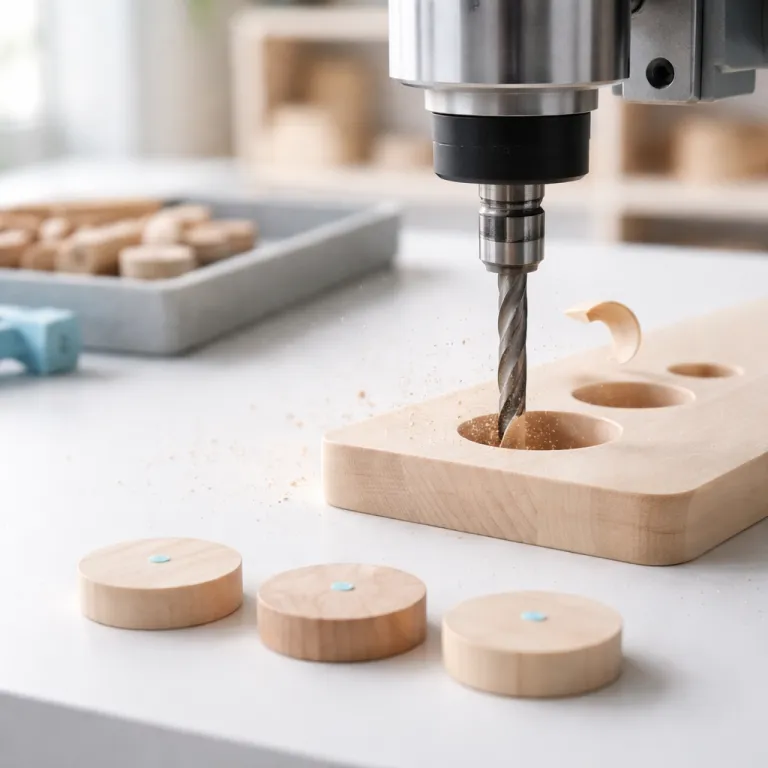
Why the wood species behind montessori wooden toys matters
Most parents see smooth pastel blocks and assume all wooden toys are equal. When you buy montessori wooden toys as a long term investment for your baby or older child, the species of wood quietly decides whether that toy survives years of real play or chips by the second holiday. A luxury toy that looks great in a quick unboxing view but dents at the first drop will never become the great toy you hoped to pass between children.
Hardness is the first filter, and the Janka scale gives you numbers instead of marketing poetry. Standard wood engineering tables used in furniture and flooring design, such as the Wood Handbook from the U.S. Forest Products Laboratory and data compiled by the American Hardwood Export Council, report European beech around 1,300 on the Janka hardness rating, hard maple around 1,450, and birch about 1,260. In practical terms, that means a maple montessori toy rail resists tooth marks and edge dings better when a toddler tests it with their mouth or throws it from a 1.2 metre table. For montessori toys that will live in a shared playroom with many children and many toys per year, that extra hardness in maple and the slightly softer resilience of birch often justify a higher regular price than vague “real wood” or “natural wooden” listings that never specify a species.
Grain tightness is the second quiet variable that shapes how a wooden toy ages. Maple and birch have tighter, more uniform grain than mid range beech, so a stacking set or building blocks set in maple feels almost stone smooth under a child’s hand and holds a beeswax or oil finish with fewer raised fibres after washing. Beech can still be a great choice for stacking toys and shape sorter sets, but you will see more visible grain lines and slightly more fuzzing on edges after years of sorting and stacking games, especially when toddlers bang blocks together in energetic play.
Hardness, drops, and the physics of real play
Luxury parents rarely buy toys to keep them pristine on a shelf. The reality is that a baby grows into a toddler who throws every toy, and montessori wooden toys must survive that drop throw stack cycle if they are to justify a premium price. When you choose toys montessori style, you are really choosing how many impacts the toy will absorb before it looks tired.
On the floor, Janka hardness turns into visible dents or their absence. A maple stacking toy ring dropped repeatedly from a child’s standing height will usually show shallow, smooth bruises, while a softer beech ring may chip at the edge where the grain is open and the finish thin. Birch sits in between, so a birch building blocks set often shows rounded wear on corners but keeps its structural integrity even after several years of use by mixed age children.
Think about the specific play patterns in your home rather than the abstract age label on the box. For one year olds who are still mouthing everything, maple rails and pegs on montessori toys resist tooth grooves better than birch or beech, which matters for both hygiene and resale or hand me down value. For older toddlers who use blocks as hammers in practical life play, a dense maple or high grade beech block will keep its geometry longer, which protects fine motor practice and hand eye coordination when they stack tall towers or balance sorting and stacking pieces on narrow edges.
Finish, touch, and how wooden toys age in your hand
Once you have looked at hardness, you need to look at finish with the same critical view. Montessori wooden toys live in small hands and often in small mouths, so the combination of wood species and finish determines both safety and how the toy feels during play. A toy that feels sticky or rough after a year will quietly migrate to the back of the shelf, no matter how beautiful the original sale price seemed.
Beeswax finishes pair beautifully with tight grained maple and birch, because the wax can sit close to the surface without sinking into open pores. On a maple stacking set or a birch shape sorter, beeswax gives a dry, velvety touch that supports fine motor exploration as a baby becomes a toddler and starts rotating pieces with deliberate hand eye control. On more open grained beech, the same beeswax finish can look patchy after repeated washing, which is why many European makers choose water based lacquer for beech toys that will see heavy practical life use in classrooms.
Water based lacquer behaves differently on each species, and you can feel it when children grip the toy. On maple, lacquer forms a hard, glassy shell that resists staining but can chip at corners if the toy is thrown onto tile, while on birch it tends to sink slightly and create a satin surface that hides micro scratches from stacking toys and building blocks. Oil finishes, often used by smaller makers, work best on maple and birch where the tight grain lets the oil cure evenly, giving a warm glow that luxury parents appreciate when they shop for wooden toys that must sit comfortably in a living room rather than a playroom.
European beech, Chinese beech, and North American maple
Not all beech is created equal, and the origin stamp matters more than the marketing copy. Brands such as Grimm’s in Germany publicly describe their use of European beech, alder, and lime in catalogues and product information, and their montessori wooden toys show it in the consistent grain and weight you feel when you lift a large rainbow or building blocks set. HABA USA, which distributes many German designed montessori toys in North America, also relies on European beech for core lines and documents sourcing and finishes in product safety information that references EN 71 and ASTM F963 toy standards.
By contrast, many marketplace listings that promise “real wood” or “natural wooden” without naming a species are often using lower cost hardwoods from large contract mills in Asia, according to trade descriptions and import data. These toys can still be safe and affordable, but when you compare the sale price to a European or North American maker, remember that the lower regular price often reflects softer wood, more filler, and thinner lacquer that may not survive years of everyday play. If a listing never names maple, birch, beech, or alder, and the photos show slightly fuzzy edges on stacking toys or a shape sorter, treat that as a signal that you are probably not buying an heirloom toy.
Domestic US maple, used by brands like Odin Parker and Timber Sprout according to their own materials descriptions, offers a different proposition for luxury buyers. The wood is dense, pale, and visually quiet, which lets a minimalist montessori toy set sit comfortably on a coffee table without shouting “nursery” in an open plan home. When you pay a higher price for these maple wooden toys, you are not just paying for design but for a material that will keep its edges, its finish, and its tactile clarity through multiple children and multiple stages of play.
Reading product pages like a materials expert
Most parents scroll past the materials section of a toy listing, but that is where the real story hides. When you evaluate montessori wooden toys online, treat the product page like a spec sheet rather than a mood board, because the words around wood, finish, and age range quietly predict how the toy will behave in your home. A quick way to protect your future budget is to buy one maple or birch set that lasts instead of three anonymous wooden sets that chip and need replacing.
Look for explicit species names, finish types, and clear age guidance rather than vague phrases. A listing that says “solid maple building blocks with beeswax finish, suitable for toddlers and older children” tells you far more than “premium wooden blocks for all ages”, especially when you are shopping for a baby who will grow into a three year olds stage of rougher play. If the brand mentions montessori toys or toys montessori in passing but never explains how the toy supports motor skills, fine motor refinement, or practical life activities, treat that as a red flag rather than a selling point.
Pay attention to photos that show edges, not just styled shelves. You want to see crisp corners on stacking toys, clean holes on a shape sorter, and no filler around pegs where hand eye coordination work will happen for your child. When a brand like HABA USA or a smaller maker such as Woodemon describes how their toys support sorting, stacking, building, and open ended play across several years, that specificity usually aligns with better materials, more thoughtful design, and a price structure that reflects real craft rather than pure marketing.
Heirloom survival is a wood choice, not a logo
Parents often assume that a high price and a respected logo guarantee longevity. In reality, the survival of montessori wooden toys through multiple children depends more on wood species, finish, and design than on whether the toy came from a famous shop or a small atelier. A modest looking maple stacking set can outlast a far more expensive mixed material toy if the former respects the physics of play and the latter chases only visual drama.
Open ended play is brutal on materials, because children repurpose every toy into many roles. Building blocks become cars, phones, and food, and a shape sorter becomes a drum when toddlers test sound, so denser hardwoods like maple and well finished birch are better suited to this improvisation than softer, unspecified woods. When you choose a montessori toy made from these species, you are choosing a tool for fine motor practice, hand eye coordination, and practical life scenarios that will still function when your youngest child reaches the same age as your eldest was when you first bought it.
Think in terms of years of use rather than single birthdays when you evaluate price. A higher regular price that spreads across ten years of daily play often beats a low sale price that yields a chipped, unloved object within months, even if the initial saving feels satisfying. In the end, the real luxury is not the unboxing, but the fifth birthday it survives.
Key statistics on wood species and toy durability
- European beech typically measures around 1,300 on the Janka hardness scale, which makes it moderately resistant to dents from everyday drops and knocks, according to commonly referenced wood engineering tables such as the U.S. Forest Products Laboratory Wood Handbook.
- Hard maple averages about 1,450 on the Janka scale, offering higher resistance to tooth marks and edge damage in children’s toys, as reported in standard woodworking data compilations used by flooring and furniture manufacturers.
- Birch usually sits near 1,260 on the Janka scale, balancing impact resistance with a slightly softer feel in hand while still qualifying as a durable hardwood for montessori style toys.
- Tighter grained woods such as maple and birch tend to hold beeswax and oil finishes more evenly than more open grained beech, which can show patchiness after repeated washing and disinfection.
- Marketplace descriptions that use only broad terms like “real wood” or “natural wooden” without naming a species often indicate lower cost hardwoods and thinner coatings, which can show visible wear faster than named species such as maple, birch, or European beech, especially when combined with low solids water based finishes.
Frequently asked questions about montessori wooden toys
How do I choose the best wood for montessori wooden toys ?
Start by looking for named hardwoods such as maple, birch, or European beech rather than vague “real wood” language. Maple offers the highest hardness among these, which helps stacking toys, building blocks, and shape sorter sets resist dents and tooth marks when used by toddlers. Birch and beech can also be excellent, but you should expect slightly more visible wear on edges over several years of daily play.
Are montessori wooden toys safe for babies who still mouth everything ?
Montessori wooden toys can be safe for a baby who mouths toys, provided you check both the wood species and the finish. Look for maple or birch with certified non toxic beeswax, oil, or water based lacquer, and avoid toys with flaking paint, rough chips, or filler around drilled holes. Always respect the stated age range and supervise early play, especially with smaller stacking pieces or building blocks that could pose a choking risk.
Why do some wooden toys cost much more than others that look similar ?
Price differences usually reflect wood quality, finish, and labour rather than pure branding. A higher regular price for a maple or European beech montessori toy often includes denser wood, smoother sanding, and more durable finishes that keep fine motor surfaces clean and safe over years. Cheaper toys may use softer or unspecified woods, thinner lacquer, and less precise machining, which can lead to faster wear even if the initial sale price seems attractive.
How can I tell if a toy marketed as montessori really follows montessori principles ?
A genuine montessori toy usually isolates one concept at a time, uses natural materials, and supports self directed play rather than flashing lights or sounds. When you read a product page, look for clear explanations of how the toy builds motor skills, hand eye coordination, or practical life abilities, instead of generic claims about “learning fun”. If the design is cluttered, overly colourful, or dependent on batteries, it is likely borrowing the montessori name without respecting the underlying pedagogy.
Do luxury montessori wooden toys actually last long enough to pass down ?
Well chosen luxury montessori wooden toys can last through multiple children, but only if the materials and finishes are up to the task. Dense hardwoods like maple, tight grained birch, and high quality European beech, combined with robust beeswax, oil, or water based lacquer finishes, tend to keep their structure and appearance over many years of stacking, sorting, and building. When you evaluate a higher price, think about how many years of real play the object will endure rather than how it looks on the day of purchase.