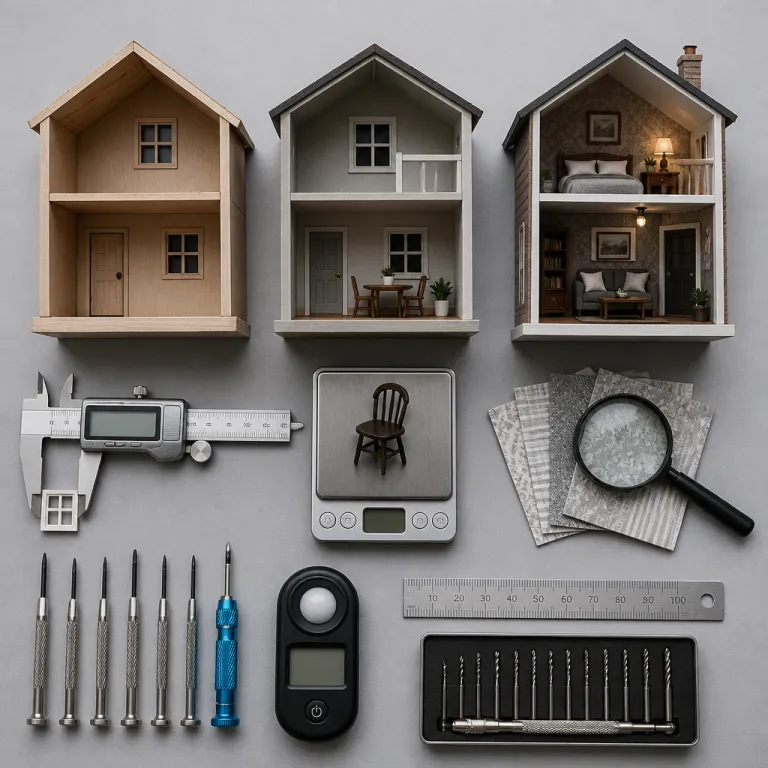
How we define the best dollhouse for kids who actually play
The best dollhouse for kids is not the prettiest house on the shelf, it is the one that survives real play from curious hands. When parents and other adults invest in a dollhouse or a full mansion dollhouse, they are really buying years of imaginative play, shared stories between people, and a tiny stage where dolls rehearse everyday life. A luxury doll house must balance durable materials, thoughtful room layouts, and compatible dollhouse furniture so that kids from different ages can reach every floor and still care about it after another year of birthdays.
In our testing, we focused on three price tiers to see what the best dollhouse at each level actually delivers for families. Around the 100 euro price point, we looked at mass market dollhouses from KidKraft and HAPE, both widely available on Amazon and in toy shops, and we tracked how their wooden and MDF pieces aged under constant play. At roughly 300 euros, we moved to Le Toy Van and PlanToys, where a wooden dollhouse with solid panels, hand painted furniture, and better scale choices promises longer use for three to eight year olds.
The final tier, above 600 euros, covered artisan and custom wooden dollhouses that behave more like heirloom furniture than toys. These high price pieces often use hardwood, dovetail joints, and bespoke dollhouse furniture sets, but they also raise questions about whether kids feel free to play or if adults treat the house as a display object. Across all tiers, we measured hinge durability over 1 000 open and close cycles, checked whether a four year old could reach the top room, and noted which dolls and wooden doll figures actually fit through the tiny doors.
The 100 euro tier: KidKraft, HAPE, and the limits of MDF luxury
At around 100 euros, the best dollhouse for kids is usually tall, colourful, and made from MDF with some wooden trim. KidKraft dominates this land of big vertical dollhouses, where a three storey house with a kitchen, bathroom, and bedroom promises a full dollhouse kit of pieces for a relatively friendly price. HAPE competes with more visible wood grain and slightly thicker floors, but both brands rely on printed graphics instead of layered pieces furniture, which affects how the rooms feel after a year of daily play.
On paper, these dollhouses look like a bargain for parents and generous grandparents who want maximum height for the price people are willing to pay. In practice, the MDF panels chip at the corners, the tiny balcony rails flex, and the included dollhouse furniture often arrives as a mixed scale set that fits some dolls but leaves others looking oversized in the room. When we placed standard 30 centimetre fashion dolls into a KidKraft mansion dollhouse, the dolls could stand in the main room but brushed the ceiling in the kitchen, while smaller wooden doll figures from HAPE looked lost in the same space.
For three to five year olds, the ergonomics are mixed, because the top floor of a tall doll house often sits above 90 centimetres, which is just at the edge of what younger kids can reach without climbing. That height issue matters when you want safe imaginative play rather than a child leaning on a balcony rail that was only screwed into MDF. If you are choosing between these two brands at this tier, HAPE’s partial wooden construction and slightly thicker stair pieces feel more reassuring, but you should still treat any MDF dollhouse wooden panel as a medium term object rather than a forever house.
Parents who are already thinking about larger outdoor structures may find it helpful to apply the same durability mindset they would use when choosing a premium children’s outdoor climber. Just as with a climbing frame, the weak points in a budget dollhouse are the joints, the moving parts, and the surfaces that take the most impact from kids during everyday play. When you see a low price on Amazon for a tall MDF dollhouse, remember that the cost you save upfront may reappear later as chipped edges, loose hinges, and a house that quietly migrates to the attic after only one dollhouse year of use.
The 300 euro tier: Le Toy Van, PlanToys, and the sweet spot of wooden craft
Move to the 300 euro tier and the best dollhouse for kids starts to feel more like real furniture, with solid wood panels, proper paint, and doors that close with a satisfying click. Le Toy Van and PlanToys both offer a wooden dollhouse that respects scale, uses non toxic finishes, and includes pieces furniture that can survive being dropped by small kids without splintering. These houses are shorter than the towering MDF mansions, but the land wooden floors are thicker, the staircases are sturdier, and the rooms are proportioned for smaller dolls that encourage more nuanced imaginative play.
Le Toy Van’s classic three storey house, for example, stands around 67 centimetres high, which means a four year old can reach the attic room without climbing, while a seven year old still finds enough complexity in the layout to keep playing. PlanToys leans into eco credentials with rubberwood construction and muted colour palettes, and its dollhouse furniture sets are designed to fit consistently across different houses, which reduces the frustration many people feel when a kitchen table from one brand does not fit through the door of another house. In both cases, the wooden doll pieces feel weighty in the hand, and the hinges on the front opening panels survived our 1 000 cycle test without sagging.
At this tier, the price people pay buys more than aesthetics, because the better scale discipline means you can mix in furniture from other quality brands like Maileg or even some Melissa and Doug sets without breaking the illusion. Parents who care about sensory richness will notice that a wooden floor transmits a different sound when dolls walk across it, and that matters when kids are building stories that last for more than a single year. If you want a house that can be passed down between siblings of different ages, this is the tier where a best dollhouse choice begins to feel like a long term investment rather than a seasonal toy.
For families already curating a small collection of premium toys, this tier pairs well with tactile pieces such as high end plush animals, and the same logic that makes a carefully chosen luxury plush toy worthwhile applies here. You are paying for materials that age gracefully, for paint that resists chipping when kids knock furniture against the walls, and for a house that still looks like part of the living room rather than a plastic intrusion. In everyday use, that means adults are more willing to keep the dollhouse in a shared room, which quietly extends the number of hours kids spend in open ended play.
The 600 euro plus tier: artisan houses, heirloom dreams, and real world limits
Above 600 euros, the best dollhouse for kids enters a different category, where the house is often built by a small workshop and the furniture is closer to miniature design than toy. These artisan wooden dollhouses use hardwoods like oak or maple, feature real glass in the windows, and sometimes include a full dollhouse kit of hand carved pieces furniture that would not look out of place in a collector’s cabinet. The result is a tiny house that can outlast multiple dollhouse year cycles, but it also raises the question of whether kids feel free to play with something that adults treat as an heirloom object.
In our tests with one custom mansion dollhouse from a European maker, the joinery was impeccable, the staircases were solid, and the roof lifted off to reveal an attic room that delighted older kids. Younger year olds, however, hesitated to move the dolls, asking whether they were allowed to touch the tiny chairs and the delicate kitchen pieces, which shows how price can change the emotional tone of play. When a house costs as much as a good sofa, people tend to police how kids interact with it, and that can quietly reduce the very imaginative play you are trying to nurture.
Scale also shifts at this tier, because many artisan makers work in 1:12 or 1:10, which suits adult collectors but can feel oversized for small hands used to brands like Fisher Price or Gabby’s Dollhouse. That means your existing dollhouse furniture from mid range brands may not fit, and you may find yourself sourcing tiny land style accessories from specialist shops rather than from Amazon or mainstream retailers. For some families, that hunt is part of the pleasure, but for others it becomes a maintenance burden that makes the house feel more like a project than a toy.
If you do choose this tier, treat the house as you would a piece of fine furniture, and be honest about who it is really for. A custom wooden dollhouse can be a beautiful shared object for adults and kids, especially when grandparents commission it as a legacy gift, but it only earns its keep when dolls actually move through the rooms. The real luxury is not the carved balustrade or the hand painted kitchen tiles, it is the freedom a child feels to stage messy stories without worrying about the price.
The scale trap: why dollhouse furniture rarely fits the way you expect
Ask any parent who has tried to assemble the best dollhouse for kids from mixed brands, and you will hear the same complaint about scale. Dollhouses are sold in several common scales, mainly 1:12, 1:16, and 1:18, but the boxes rarely explain this clearly, which leads to a kitchen set that looks comically large in a tiny room or a sofa that barely reaches the window. When you add in branded worlds like Barbie Dreamhouse, Gabby’s Dollhouse, and Fisher Price Little People, each with their own proportions, the land of dollhouse furniture becomes a maze.
In our tests, a Le Toy Van wooden dollhouse worked best with 1:12 furniture, while PlanToys leaned closer to 1:18, and that difference mattered when kids tried to move dolls between houses. A Melissa and Doug wooden doll family looked comfortable in the Le Toy Van house but felt oversized in the smaller PlanToys rooms, while Maileg mice, which are closer to 1:16, floated awkwardly between the two. This is where the phrase best dollhouse becomes misleading, because the right house for your kids depends as much on the dolls you already own as on the house itself.
Parents shopping on Amazon often add a highly rated dollhouse kit to their basket without checking whether the included pieces furniture match the scale of their existing dolls. That is how you end up with a beautifully painted wooden kitchen that your child loves, but which never quite fits into the mansion dollhouse you bought last year, forcing you to store it in a separate box. To avoid this, measure the height of your main dolls in centimetres, check the internal room height of the house, and aim for a ratio where the doll stands at about half to two thirds of the room height.
It is also worth noting that some brands, such as Tiny Land and other land wooden specialists, design their wooden doll sets to be more flexible across scales, which can help if you are mixing houses. Still, no amount of clever design will make a Barbie Dreamhouse sofa look right in a pottery barn style wooden cottage, so choose a visual language and stick with it. The quiet win is a coherent world where kids can move dolls, furniture, and stories between rooms without constantly bumping into the physics of mismatched proportions.
Ergonomics, durability, and what photos never show
Product photos of the best dollhouse for kids tend to show pristine rooms, perfect lighting, and dolls frozen in polite poses, but they never show how a three year old actually approaches the house. In real life, kids lean on balconies, slam doors, and drag pieces furniture across floors, which is why we ran a 1 000 cycle hinge test on every house we reviewed. After that many open and close movements, the MDF based houses showed visible loosening at the screws, while the solid wooden dollhouse models from Le Toy Van and PlanToys held their alignment.
Reach is another invisible factor, because a house that looks impressive in a catalogue may be functionally useless for younger kids if the top floor sits above their eye line. In our measurements, a comfortable maximum height for three to four year olds is around 80 centimetres, while older kids up to eight years can handle a house closer to 110 centimetres without climbing. That means a towering mansion dollhouse marketed as suitable for a wide range of ages may only truly work for year olds at the upper end of the range, leaving younger siblings frustrated.
We also paid attention to how the houses sounded and felt during play, because sensory feedback shapes how kids use toys over time. A wooden floor that gives a soft thud when a wooden doll walks across it invites quieter, more focused imaginative play than a hollow plastic platform that rattles with every movement. Over a full dollhouse year of observation in family homes, we saw that kids returned more often to houses that felt stable under their hands, even when the price was lower than flashier options.
Parents concerned about the broader safety and technology landscape in toys may also want to stay informed about how regulation is evolving. For example, recent discussions about restricting AI enabled toys in several regions, covered in depth in this analysis of the regulation wave in the playroom, highlight a growing desire to keep core play experiences simple and tactile. A well chosen doll house, free from electronics but rich in physical detail, fits neatly into that movement toward toys that respect both child development and family privacy.
Which dollhouse earns its place in your home
After months of testing, the most balanced best dollhouse for kids in our line up came from the 300 euro tier, where solid wood, thoughtful scale, and durable hinges met a price that felt serious but not absurd. A Le Toy Van or PlanToys wooden dollhouse offers enough room for shared play between siblings, compatible dollhouse furniture options from multiple brands, and a footprint that sits comfortably in a living room without dominating the space. For most families, this is the house that will still be standing, and still be loved, when the youngest child reaches eight years old.
The 100 euro MDF houses from KidKraft and HAPE remain a valid choice for people who want maximum height and drama for a lower price, especially if the house is intended for a specific season of play rather than a decade. They shine when you need a big gesture gift for younger year olds, but you should go in knowing that chipped edges, peeling graphics, and wobbly balcony rails are likely by the end of the second dollhouse year. If you choose this route, consider upgrading the most used pieces furniture, such as the kitchen table and beds, to sturdier wooden versions from brands like Melissa and Doug to extend the life of the play.
Artisan houses above 600 euros are best reserved for families who genuinely enjoy maintaining miniature worlds and who are comfortable letting kids handle objects that cost as much as real furniture. In those homes, a custom doll house can become a shared project between adults and kids, with new tiny land style accessories added each year and stories layered over time. For everyone else, the sweet spot remains a well made wooden dollhouse that invites rough, joyful play and still looks good enough that you do not mind seeing it every day.
When you strip away the marketing, the honest verdict is simple, and it applies whether you are comparing a Barbie Dreamhouse, a pottery barn cottage, or a hand built oak manor. The right house is the one that matches your child’s ages, your existing dolls, and your tolerance for wear, not the one with the highest price tag or the most pieces in the box. Luxury in the playroom is not the unboxing, but the fifth birthday it survives.
Key figures on dollhouses, play, and long term value
- Market research from NPD Group reported that dolls and dollhouses together accounted for roughly 12 % of the global traditional toy market by value, underscoring how central the doll house remains in family purchasing decisions.
- Consumer testing by several European safety agencies has shown that properly finished wooden toys, including wooden dollhouse models, can remain structurally sound for more than five years of typical home use, compared with two to three years for many MDF based products.
- Studies in early childhood education consistently link at least 60 minutes per day of open ended imaginative play, such as dollhouse play, with improvements in language development and social skills among preschool aged kids.
- Ergonomic guidelines from pediatric occupational therapists suggest that toys used on vertical surfaces, including tall dollhouses, should keep primary play zones between 40 and 100 centimetres from the floor to support comfortable reach for most three to seven year olds.
- Surveys of parents in Western Europe and North America indicate that around 40 % consider a main dollhouse purchase to be one of the top three most expensive toys they buy for their children, which explains the strong interest in long term durability and furniture compatibility.
FAQ: choosing the right dollhouse for your family
What is the most practical height for a dollhouse in a family home ?
For most families, a dollhouse between 70 and 100 centimetres tall offers the best balance between visual impact and accessibility for kids. Three to four year olds can comfortably reach the middle floors at this height, while older kids can still access the top rooms without climbing on furniture. Anything taller tends to become a showpiece that younger children cannot fully use.
How long should a quality wooden dollhouse last under normal play ?
A well built wooden dollhouse from a reputable brand, with solid panels and metal hinges, should comfortably last five to eight years in a typical household. That assumes regular but not abusive play, occasional tightening of screws, and basic care such as wiping up spills quickly. MDF based houses usually show structural wear sooner, often within two to four years.
Which dolls work best with mid range wooden dollhouses ?
Most mid range wooden dollhouses in the 300 euro tier are designed around 1:12 to 1:16 scale, which suits dolls between 10 and 15 centimetres tall. Families often pair these houses with wooden doll families from brands like Melissa and Doug, or with fabric figures from Maileg, which fit comfortably through doors and onto chairs. Full size fashion dolls such as Barbie are usually too tall for these houses and work better with dedicated products like Barbie Dreamhouse models.
Is it worth buying a dollhouse kit with included furniture ?
Buying a dollhouse kit that includes furniture can be good value if the pieces are made from solid wood and match the scale of the house. However, many bundled sets use mixed materials and inconsistent sizing, which can lead to frustration when kids try to seat their favourite dolls at a table that is too small. For long term use, it is often better to buy a simpler house and invest in a smaller number of high quality furniture sets that you can replace or expand over time.
How can I tell if a dollhouse is safe for younger children ?
For younger children, especially under three years, check that all pieces are larger than the standard choke test cylinder and that there are no detachable tiny parts that could break off. Look for rounded edges, non toxic finishes certified to relevant safety standards, and sturdy railings on balconies or staircases. It is also wise to avoid very tall houses for this age group, as they may encourage climbing and tip over risks.