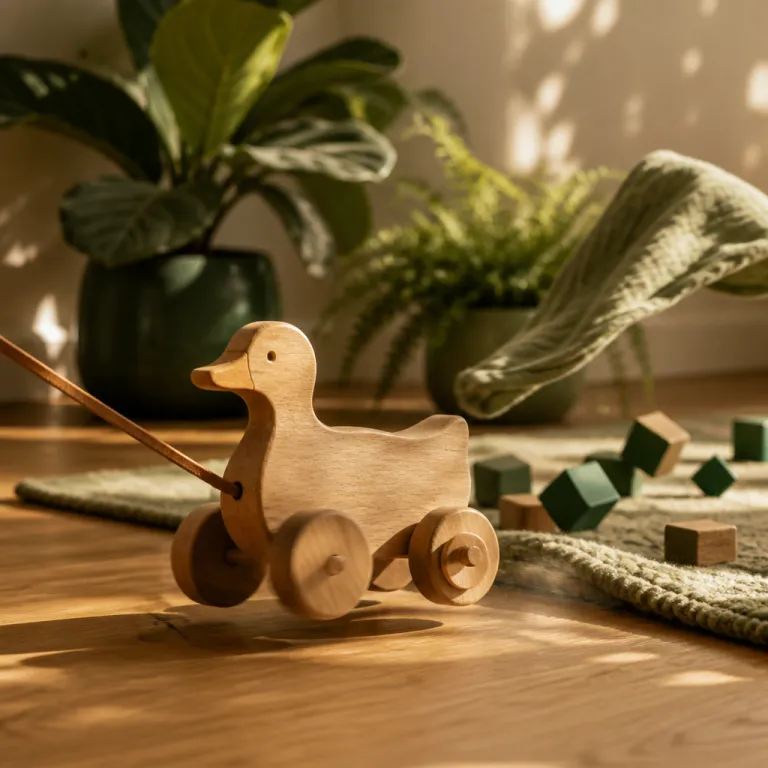
Why wooden pull toys feel like quiet luxury for toddlers
Parents who choose wooden pull toys are usually looking beyond trends. They want a pull toy that feels timeless, with solid wood and thoughtful design that respects both the baby and the home. In luxury nurseries, a beautifully handmade wooden pull animal often becomes part of the décor as much as a daily play companion, sitting on a shelf until a toddler is ready to tug it gently across the floor.
High end wooden toys signal care about materials, sustainability, and sensory quality. When you select a wooden toy crafted from responsibly sourced wood, finished with natural oils, and balanced for smooth walking play, you are paying for engineering as much as aesthetics. That is why the price of a luxury wooden pull piece often reflects hand sanding, hand painting, and independent safety testing rather than just a brand name or a fashionable colour palette.
For many families, the first pull toys arrive around 10 to 12 months. At this age, a baby is transitioning from crawling to standing, then to walking with support, and a compact pull toy or push toy can gently motivate those first steps. A well weighted wooden pull companion moves slowly enough for a toddler, unlike some plastic toys kids products that roll too fast on hard floors, as many pediatric occupational therapists note when they recommend heavier, more stable walkers and pull along toys.
Handcrafted details that separate luxury wooden pull toys from the rest
In the luxury segment, handmade wooden craftsmanship is the defining feature. Artisans shaping toys wooden pieces by hand can round every edge, balance every wheel, and tune each walking toy so it glides rather than rattles. This is where brands inspired by the aesthetic of Grimm style play pieces have set a benchmark for tactile quality and colour harmony, with collections such as Grimm’s classic pull-along animals often cited by design-conscious parents.
Look closely at a premium wooden duck pull toy or wooden dog pull toy and you will notice layered details. The grain of the wood is usually visible under the paint, the cord of the wooden pull handle is soft on small hands, and the wheels are aligned so the duck or dog rocks gently as it moves. These subtle design decisions turn simple pull toys into heirloom objects that parents proudly add to a baby shower wishlist, much like they might add a favourite picture book or a special blanket.
Many parents compare handmade wooden options to mass produced plastic push toys before investing. A luxury wooden toy often uses beech, maple, or rubber wood, which are dense enough to withstand years of toddler push and pull play without warping. For deeper analysis of how open ended brands like Grapat and Grimm’s shape play value, the comparison in this loose parts showdown is a useful reference when you are curating a coherent wooden toys collection and deciding which pieces will genuinely earn a place in your home.
Developmental benefits of pull and push toys for babies and toddlers
Luxury wooden pull toys are not only beautiful; they are powerful motor skill tools. When a baby starts using a pull toy between 12 and 18 months, they practise coordination, balance, and spatial awareness in every step. The simple act of turning to see a wooden dog or wooden duck following behind builds early body awareness and cause and effect understanding, which pediatric occupational therapy associations highlight as key milestones in the second year.
Push toys and pull toys support slightly different stages of walking. A sturdy wooden walker or walking toy with a wide base helps a younger toddler push forward safely, while a lighter wood pull animal suits a more confident walker who can manage the cord. This push pull progression lets you match each toy to the exact months of development, rather than buying a single oversized plastic frame that tries to cover every stage and often ends up being awkward to manoeuvre in smaller rooms.
Parents sometimes assume that removing screens automatically creates rich play, but depth comes from the quality of toys kids actually use. A carefully chosen wooden toy, such as a wooden horse pull toy or a compact toddler push cart, invites repeated, imaginative routes across the living room. One parent described how their child spent weeks walking the same wooden dog pull toy from “kitchen café” to “bedroom hotel,” a simple routine that turned everyday spaces into a quiet luxury play circuit.
How to evaluate price, value, and safety in luxury wooden toys
Price in the luxury wooden toys market can vary dramatically, and parents need clear criteria. A higher price for a wooden pull animal or push toy is justified when it reflects certified non toxic finishes, European or North American safety testing, and traceable wood sourcing. When you compare options, look for clear information about age range in months, maximum recommended weight for a walker, and whether small parts are securely fixed, as required by standards such as EN 71 in Europe and ASTM F963 in the United States.
Value also comes from longevity and versatility. A well designed wooden horse on wheels can serve first as a nursery ornament, then as a baby push or walking toy, and later as a prop in imaginative play for older toys kids groups. In contrast, a cheaply made dog pull toy with thin axles may wobble or break within a season, turning an attractive price into poor long term value and adding to clutter rather than supporting a calm, minimalist playroom.
Luxury retailers often allow you to add items to an online wishlist before committing. Use this feature to build a balanced selection of wooden pull toys, push toys, and static wooden toy figures, then review how each piece supports different stages of play. When you finally click add to cart or add to wishlist, you can be confident that every handmade wooden object earns its place in your home both aesthetically and functionally, instead of being an impulse purchase that rarely leaves the toy basket.
Curating a small but exceptional collection of wooden pull and push toys
A thoughtful collection of wooden pull toys does not need to be large. Many luxury families prefer three or four core pieces, such as a wooden duck on a cord, a wooden dog on wheels, a compact walker, and a sculptural wooden horse that doubles as décor. This restrained approach keeps the play area calm while still offering rich push pull experiences for a toddler and supports the long tail search for “small wooden toy collections for minimalist nurseries.”
When curating, consider how each pull toy or push toy will move across your actual floors. On smooth wood or tile, choose walking toy designs with rubber rimmed wheels so the toy does not slide too quickly, while on rugs you may prefer slightly larger wheels and a longer wood pull handle. Matching the mechanics of each wooden toy to your home environment is as important as matching colours to your interior palette and can make the difference between a toy that frustrates and one that flows.
Travel is another factor for luxury families who split time between homes or fly frequently. Compact wooden toys that fit into a carry on, such as a small duck pull animal or a minimalist dog pull figure, keep routines familiar wherever you are. For ideas on building a portable yet refined play kit, the guide to luxury travel toy kits offers practical examples of how to balance weight, size, and play value so that even a tiny suitcase can hold a complete walking play setup.
Iconic animal themes and emotional attachment in wooden pull toys
Animal themes give wooden pull toys their emotional power. A wooden duck that waddles as it rolls or a wooden dog that nods while it moves becomes a character in your child’s daily walking play. These simple companions often appear in first words, bedtime stories, and even family photos, which is why parents are willing to invest in a higher price for the right design that feels both playful and quietly luxurious.
Different animals can support different kinds of imaginative play. A wooden horse pull toy might inspire stable games, carriage rides, or knight adventures, while a duck pull toy naturally invites pond, park, and picnic narratives. Rotating a small set of animal pull toys and push toys over the months keeps play fresh without overwhelming a baby or toddler with visual noise, and also helps you notice which themes your child returns to most often.
Parents often talk about how a single wooden pull animal becomes the object their child insists on bringing everywhere. When that favourite is a durable handmade wooden piece with a strong cord and solid wood wheels, it can survive years of toddler push, pull, and occasional drops down the stairs. Building your child’s wishlist around such resilient wooden toys ensures that sentimental favourites remain intact long enough to be passed down to younger siblings or cousins, turning a simple pull toy into a family story.
Key figures and market insights for luxury wooden pull toys
- According to the Toy Association’s 2023 “State of the U.S. Toy Industry” overview, global sales of infant and toddler toys are estimated in the multi‑billion‑euro range, with wooden toys representing a growing premium niche as parents seek sustainable alternatives to plastic and look for durable, heirloom‑quality pieces.
- European safety standard EN 71 (particularly EN 71‑1 for mechanical and physical properties) requires testing for every pull toy and push toy, which means reputable brands must verify cord length, small parts security, and paint safety before products reach babies and toddlers, adding to both cost and reassurance.
- Consumer surveys from major children’s retailers, such as reports published by The NPD Group and similar market researchers, indicate that parents are willing to pay roughly 20–30 % more for handmade wooden toys when they are certified as using responsibly sourced wood and non toxic finishes, especially in the luxury baby gifts segment.
- Developmental research summarised by pediatric occupational therapy associations suggests that regular use of walking toy products, such as pull toys and push toys, between 12 and 24 months can support balance and coordination milestones when used under supervision, complementing free floor play rather than replacing it.
FAQ about luxury wooden pull toys
At what age can my child start using wooden pull toys ?
Most children are ready for simple wooden pull toys between 12 and 18 months, once they can walk steadily while holding a cord. Before that stage, a push toy or walker that offers more support is usually safer. Always follow the manufacturer’s recommended age in months and supervise early use on flat, uncluttered floors so your baby can focus on balance rather than obstacles.
Are wooden pull toys safer than plastic alternatives ?
Safety depends on design and testing rather than material alone, but high quality wooden toys often use thicker parts, smoother edges, and non toxic finishes. Look for compliance with standards such as EN 71 or ASTM, and check that the pull cord is not excessively long. Avoid very cheap products where the wood may splinter or small pieces can detach under toddler push and pull forces, and choose brands that clearly describe their safety testing.
How many pull and push toys does a toddler really need ?
A small curated set of three to five pieces is usually enough, for example one walker, one wooden pull animal, one push toy, and one or two static wooden toy figures. Rotating these toys over the weeks keeps interest high without cluttering your space. Luxury is less about quantity and more about how each toy supports meaningful, repeated play and fits into your daily routines.
How should I care for handmade wooden pull toys ?
Clean handmade wooden toys with a slightly damp cloth and mild soap, then dry them immediately to protect the wood. Avoid soaking, harsh chemicals, or direct sunlight for long periods, which can warp or fade finishes. Periodically check wheels, axles, and cords on each pull toy and push toy to ensure everything remains secure for active walking play, especially after travel or outdoor use.
Is a wooden walker necessary if I already have pull toys ?
A wooden walker is not mandatory, but it serves a different role from a pull toy. Walkers provide forward support when a baby is just starting to stand and move, while pull toys are better suited to toddlers who already walk confidently. Many parents choose one high quality walker for the earliest months of mobility, then gradually shift emphasis to lighter wooden pull toys and push toys as balance improves and their child begins to explore longer routes.