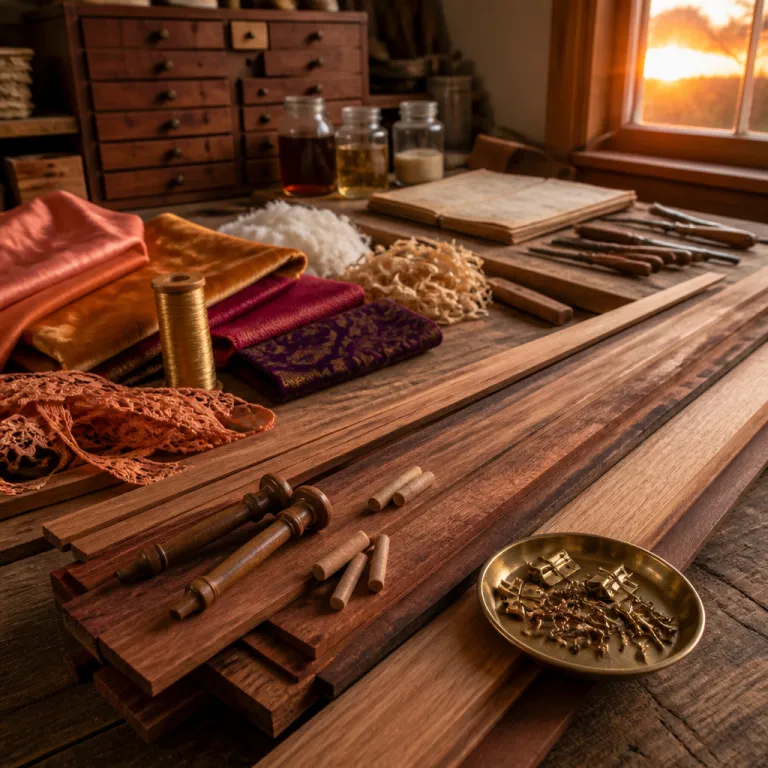

Why Victorian dollhouse furniture captivates luxury minded families
Victorian dollhouse furniture sits at a rare intersection of play, design, and heritage. For parents curating a luxury dollhouse, these miniature pieces turn a simple toy house into a refined family showcase that children can actually touch and rearrange. A carefully chosen furniture set in true-scale proportions can feel like a private museum that still invites daily play.
At the heart of this appeal is craftsmanship in wood, metal, and fine textiles that echoes full-size furniture. A miniature table, carved chair, or complete room set in authentic Victorian style mirrors the elegance of antiques in your own living room, yet remains light enough for small hands to move. When a child places a doll at a tiny table or in a detailed dollhouse kitchen, they are not just playing; they are rehearsing social rituals, storytelling, and spatial awareness in a beautifully controlled world.
Parents who invest in a Victorian dollhouse often look for heirloom quality rather than disposable décor. That means checking how each piece of dollhouse furniture is joined, how the paint or stain sits on the wood, and whether the scale and proportions match the overall house. A well-balanced collection, from bedroom to living room miniatures, helps children understand proportion and design while protecting your investment in a luxury toy that can be passed down.
Evaluating materials, scale, and design in miniature furniture
Material choice defines both the tactile pleasure and durability of Victorian dollhouse furniture. Solid wood usually offers the best balance of weight, longevity, and authentic texture, while resin or plastic furnishings can work for younger children who still test every doll and chair with enthusiastic force. For serious young collectors, a miniature house filled with hand-finished wood pieces often becomes their first lesson in material quality and responsible care.
Scale is the second critical factor when you purchase any dollhouse furniture piece. Many luxury brands work in 1:12 scale, meaning one miniature centimetre represents twelve centimetres in a real room, although some boutique makers specialise in 1:24 scale collections for compact spaces. Mixing scales in the same room can make a doll, table, or chair look oddly oversized, so confirm the scale before adding a new furniture set to your cart or wish list.
Design coherence matters just as much as technical details for a refined Victorian dollhouse interior. A consistent Victorian style across the living room, bedroom, and dollhouse kitchen helps children recognise visual harmony, especially when the same carved motif appears on a table, a bed, and a wardrobe. If your child already loves collectible characters or figurines, you can show how those playful miniatures contrast with a more formal Victorian room set and discuss which pieces feel harmonious together.
Vintage dollhouse treasures versus contemporary luxury reproductions
Parents often hesitate between acquiring a true vintage dollhouse ensemble and commissioning new luxury reproductions. Authentic vintage dollhouse pieces, especially in wood with original upholstery, carry historical charm but may be fragile for everyday play in a busy family house. Contemporary makers of Victorian dollhouse furniture can reproduce the same ornate style while reinforcing joints and finishes for modern children.
When you compare prices, remember that a rare antique furniture set is closer to an art purchase than a toy. For example, specialist auction houses such as Bonhams and Christie’s have listed complete Victorian-style dollhouse parlour sets in museum-grade condition at prices that can exceed the cost of an entire new Victorian dollhouse with several pieces included. For younger children, a robust new furniture collection in the roughly US$80–US$250 range for a full living room often offers better value, especially when retailers include free shipping and clear return policies.
Heirloom quality does not require century-old pieces, only thoughtful design and responsible play. Many families now choose a new miniature Victorian house, then gradually upgrade each room with artisan dollhouse furniture as the child matures. If you want the characters to match the refinement of the rooms, consider pairing your furniture with heirloom Victorian dolls so that every doll seated at a table or chair feels consistent with the overall style.
Reading reviews, assessing price, and managing shipping expectations
Luxury parents rarely rely on product photos alone when choosing Victorian dollhouse furniture. Detailed reviews from other collectors, especially those marked as a verified purchase, reveal how a furniture set performs after months of real play in a child’s room. Look for comments about the sturdiness of each chair, the finish on the wood, and whether the dimensions match the advertised dollhouse size.
Price transparency is another sign of a trustworthy retailer in this niche. A higher price can be justified when the miniature furniture is hand-carved, when the set includes multiple coordinated items for a living room or dollhouse kitchen, or when free shipping is offered with insured delivery. Be cautious if a full room set in supposed Victorian style costs less than a single artisan doll, because that often signals compromises in materials, finish quality, or scale accuracy.
Shipping conditions matter as much as the items themselves for fragile miniatures. Ask how each table, chair, and delicate accessory is packed, and whether replacement parts are available if a piece arrives damaged in transit. For significant purchases, many parents prefer specialised boutiques that provide tracking, careful packaging, and responsive customer service rather than anonymous marketplaces where reviews may not reflect long-term use.
Curating a coherent Victorian style world for imaginative play
A thoughtfully arranged Victorian dollhouse becomes a stage where children rehearse stories, manners, and problem solving. Start with one central room set, often the living room, then expand into a dollhouse kitchen, bedroom, and study as your child’s narratives grow more complex. Keeping the same Victorian style across each furniture set helps children understand continuity, while a few contrasting miniatures add creative tension.
Many parents treat the miniature dollhouse as a parallel version of their own house. If your dining room features a long wood table and upholstered chair designs, you can echo those choices in the dollhouse furniture to create a subtle mirror effect that children instantly recognise. This approach works especially well when you select a doll whose clothing reflects your family’s aesthetic, turning every tea party at the miniature table into a familiar ritual that feels both playful and reassuring.
As the collection grows, think of each new piece as an addition to the dollhouse that must earn its place. Before you purchase another cart, cabinet, or decorative accessory, ask whether it enhances the existing design or simply fills space. Parents who maintain this curatorial mindset often end up with fewer but more meaningful miniatures, and their children learn to value quality over quantity from an early age.
Practical buying tips for parents entering the miniature Victorian world
Entering the world of Victorian dollhouse furniture can feel overwhelming when every brand claims artisan status. Begin by choosing a clear scale standard, usually 1:12, then commit to that miniature size for all future purchases to avoid mismatched proportions. Once the scale is fixed, prioritise core pieces such as a sturdy table, a comfortable chair, and a versatile storage cart before adding ornate accessories.
Next, decide how your child will actually use the dollhouse and its furnishings. If the dollhouse kitchen will host pretend baking sessions, choose wipe-clean finishes and robust wood construction, while a display-only living room can accommodate more delicate fabrics and intricate carving. Parents who expect daily play should favour rounded edges, secure joints, and furniture with stable bases that resist tipping when a doll leans against them.
Finally, buy from retailers who understand both luxury and childhood realities. Look for clear photos of each dollhouse furniture piece from multiple angles, honest reviews that mention children’s ages, and options for free shipping or at least transparent shipping costs. For a concrete starting point, many families compare well-known miniature brands such as Melissa & Doug, Le Toy Van, or Tender Leaf Toys in the roughly US$30–US$150 range per room set, then upgrade individual pieces as they discover artisan makers that align miniature furniture quality with broader family values.
Key figures and market insights for Victorian dollhouse furniture
- Industry research on the dolls and accessories category, which includes dollhouse furniture and miniatures, indicates that global annual sales run into the multi-billion US dollar range, with premium and vintage-inspired products representing a growing share of that value.
- Surveys from major toy retailers and specialist miniature communities consistently show that 1:12 scale collections remain the dominant choice for collectors, largely because this scale supports compatibility across brands and accessories.
- Consumer research published by large online marketplaces shows that products labelled with verified purchase reviews tend to receive noticeably higher conversion rates than similar items without such reviews, underlining the importance of trustworthy feedback for luxury parents.
- Logistics data shared in annual reports from European specialty toy shops and e-commerce platforms suggest that offering free shipping above a defined price threshold can increase average cart value, especially for families building a complete Victorian style room set in one order.
FAQ about Victorian dollhouse furniture for luxury minded parents
How do I choose the right scale for my child’s Victorian dollhouse
Most luxury Victorian dollhouse furniture is produced in 1:12 scale, which balances detail with playability for children. If space is limited, 1:24 scale collections can work, but mixing scales in the same house usually looks inconsistent. Decide on one scale before you purchase any major furniture set so that every table, chair, and doll fits harmoniously.
Is vintage dollhouse furniture safe for everyday play
Authentic vintage dollhouse pieces often use delicate joints, old finishes, or small components that may not suit very young children. Many parents reserve true antiques for supervised play or display, while using modern reproductions in wood for daily use. If you choose vintage items, inspect each miniature for loose parts, sharp edges, and flaking finishes, and consider keeping the most fragile pieces out of regular rotation.
What materials are best for durable miniature furniture
High-quality wood is generally the best material for durable miniature furniture, because it offers weight, repairability, and a natural feel. Resin and metal accents can add detail, but fully plastic sets rarely match the longevity or tactile pleasure of wood-based dollhouse furniture. For children who play vigorously, look for reinforced joints, non-toxic finishes, and manufacturer care instructions that specify how to clean and store each piece.
How much should I expect to spend on a luxury Victorian room set
Prices vary widely, but a well-made Victorian style living room set in 1:12 scale often costs as much as a mid-range full-size children’s toy. Handcrafted artisan pieces, especially in limited runs, can be significantly more expensive than mass-produced sets. Many families build their collection gradually, starting with essential items and adding special miniatures for birthdays or holidays so that the total investment feels manageable.
Where can I find trustworthy reviews for dollhouse miniature purchases
Specialist dollhouse retailers, established toy boutiques, and large marketplaces with verified purchase labels are reliable sources of reviews. Look for comments that mention long-term use, children’s ages, and how the dollhouse furniture pieces hold up under real play. Collectors’ forums and parent communities can also provide nuanced feedback on specific brands and materials, helping you refine your shortlist before you buy.